Noise Monitoring in Qatar – Protecting Workers from Harmful Sound Exposure
Noise Monitoring in Qatar is one of the most important occupational hygiene practices for industries that operate in high-decibel environments. In construction, oil & gas, manufacturing, and transportation sectors, constant exposure to loud noise can cause hearing loss, fatigue, and reduced productivity.
By implementing effective noise monitoring programs, organizations in Qatar can ensure compliance with Qatar Labor Law and international standards such as ISO 9612, OSHA 1910.95, and NIOSH guidelines—creating safer, more sustainable workplaces.
What Is Noise Monitoring?
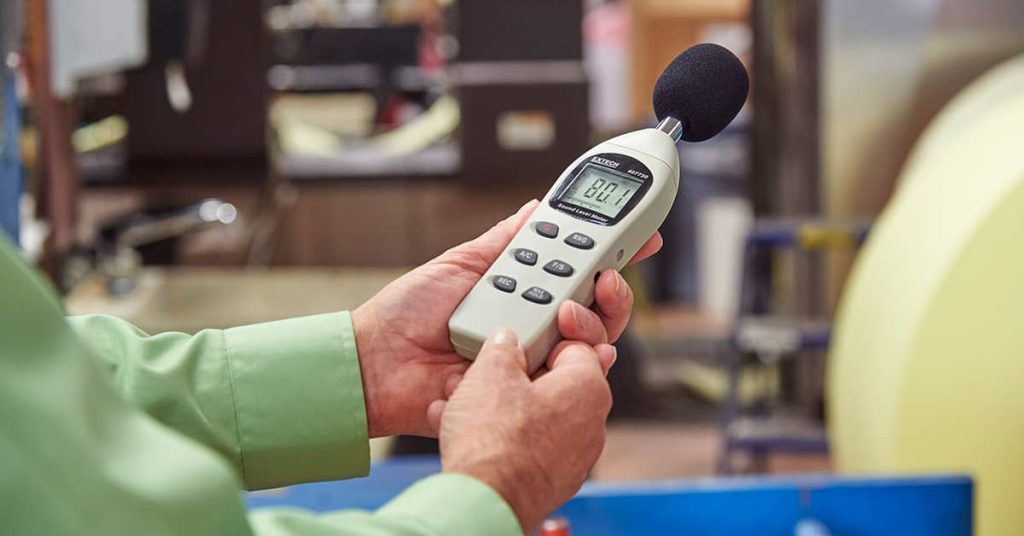
Noise monitoring involves the measurement and evaluation of sound levels to determine whether workers are exposed to potentially harmful noise. It includes:
Personal Noise Monitoring: Using dosimeters worn by workers to record exposure during a work shift.
Area Noise Surveys: Measuring ambient sound levels in different workplace zones.
Octave Band Analysis: Identifying specific noise frequencies to design effective control measures.
The collected data helps employers develop strategies such as engineering controls, acoustic barriers, and hearing conservation programs.
Why Noise Monitoring Is Essential in Qatar
Workplace noise is one of the leading causes of occupational hearing loss worldwide. In Qatar, industries with heavy machinery or continuous mechanical operations are particularly at risk. Conducting noise monitoring in Qatar provides key benefits:
Protects workers’ hearing and long-term health
Ensures compliance with local and international safety standards
Prevents fines or penalties for non-compliance
Improves worker focus, morale, and communication
Supports ISO 45001 and HSE audit requirements
Without regular monitoring, excessive noise can go unnoticed, leading to irreversible hearing damage and reduced operational efficiency.
Key Industries That Require Noise Monitoring
Construction and Infrastructure Projects – heavy equipment and concrete cutting
Oil & Gas and Petrochemical Plants – compressors, turbines, and pumps
Manufacturing Facilities – mechanical presses, metal fabrication, and assembly lines
Airports and Transportation Hubs – aircraft engines and maintenance operations
Power Generation and Utilities – turbines, generators, and cooling systems
Each of these industries must monitor sound exposure levels and implement a hearing conservation program when limits are exceeded.
How JAB International Consultancy Can Help
At JAB International Consultancy, we provide comprehensive noise monitoring services in Qatar designed to ensure accurate measurement, compliance, and worker protection.
Our services include:
Personal and environmental noise exposure assessments
Area noise mapping and acoustic surveys
Analysis of exposure levels against permissible limits
Practical recommendations for control and mitigation
Documentation for audits and ISO certification support
Our certified team uses advanced, calibrated instruments and follows international procedures to deliver reliable data for risk management and decision-making.
For additional reference, explore the NIOSH Sound Level Meter App, a trusted global resource for workplace noise measurement.
Creating a Safer, Quieter Workplace
By identifying and controlling excessive noise sources, organizations not only safeguard employee health but also improve overall performance and morale. Regular noise monitoring in Qatar demonstrates a strong commitment to corporate responsibility, sustainability, and worker welfare.
At JAB International Consultancy, we stand as your trusted partner for professional HSE and Industrial Hygiene services—helping you protect your workforce and comply with safety regulations efficiently.