Environmental Noise Monitoring Qatar
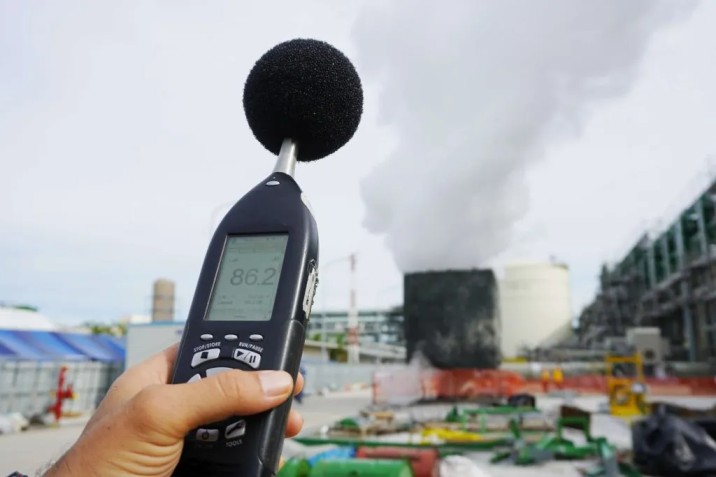
Environmental Noise Monitoring in Qatar – Managing Sound for a Sustainable Future Environmental Noise Monitoring in Qatar is becoming increasingly important as the nation continues its rapid development in construction, infrastructure, and industrial operations. With new residential areas, commercial zones, and transport networks emerging across the country, managing environmental noise is vital to maintain public health, community comfort, and compliance with environmental regulations. Excessive noise not only affects hearing and concentration but also contributes to stress, sleep disturbance, and reduced quality of life. For Qatar’s growing cities and industrial hubs, noise monitoring is an essential part of sustainable urban planning and environmental protection. What Is Environmental Noise Monitoring? Environmental noise monitoring involves the systematic measurement of sound levels in outdoor environments—such as construction sites, industrial zones, residential neighborhoods, and transport corridors. The goal is to: Identify the main sources of noise Measure sound intensity and frequency Evaluate compliance with national and international noise standards Recommend mitigation strategies to reduce noise impact Specialized instruments, such as sound level meters and data loggers, record real-time noise levels over extended periods to provide accurate, evidence-based insights. Why Environmental Noise Monitoring Matters in Qatar As Qatar advances its National Vision 2030, the country aims to balance rapid industrialization with environmental sustainability. Conducting environmental noise monitoring in Qatar supports this vision by helping organizations and developers: Comply with environmental regulations set by Qatar’s Ministry of Environment and Climate Change (MoECC) Assess the impact of construction and industrial activities on nearby communities Prevent noise complaints and maintain good public relations Support sustainable development goals through proactive noise management Enhance corporate social responsibility (CSR) initiatives By measuring and controlling noise levels, organizations can minimize environmental impact while promoting a safer and healthier living environment. Industries and Projects That Require Noise Monitoring Construction and Infrastructure Development – pile driving, demolition, and heavy machinery Oil & Gas and Petrochemical Plants – compressors, turbines, and generators Transport and Airport Operations – aircraft takeoff/landing and traffic noise Manufacturing and Industrial Estates – equipment noise and operational vibrations Urban and Residential Projects – background noise evaluation for new developments Environmental noise assessments are often required as part of Environmental Impact Assessments (EIA) to ensure that new projects meet permissible sound level criteria. How JAB International Consultancy Can Help At JAB International Consultancy, we specialize in environmental noise monitoring services in Qatar, helping clients measure, manage, and control noise emissions effectively. Our qualified environmental and HSE professionals provide: Short-term and long-term environmental noise monitoring Continuous noise data logging and mapping Baseline noise assessments for project planning Compliance evaluation with Qatari and international standards Comprehensive reporting and mitigation recommendations We use advanced Class 1 sound level meters and internationally recognized methods (such as ISO 1996) to ensure accuracy, consistency, and regulatory compliance. For global best practices, visit the World Health Organization (WHO) Guidelines for Environmental Noise. The Benefits of Continuous Environmental Noise Monitoring Protects public health and wellbeing Ensures smooth project approvals during environmental assessments Reduces community complaints through transparent reporting Improves design and planning decisions for future developments Demonstrates environmental responsibility to stakeholders and regulators Whether it’s a large-scale infrastructure project or an industrial operation, consistent environmental noise monitoring is essential to achieving environmental compliance and community harmony. Conclusion Environmental Noise Monitoring in Qatar is more than just a compliance requirement—it’s a commitment to sustainable development, community protection, and environmental stewardship. At JAB International Consultancy, we help organizations across Qatar monitor, manage, and reduce noise pollution through precise data collection, expert analysis, and actionable solutions. Together, we can create quieter, safer, and more livable spaces for future generations.
Noise Monitoring Qatar
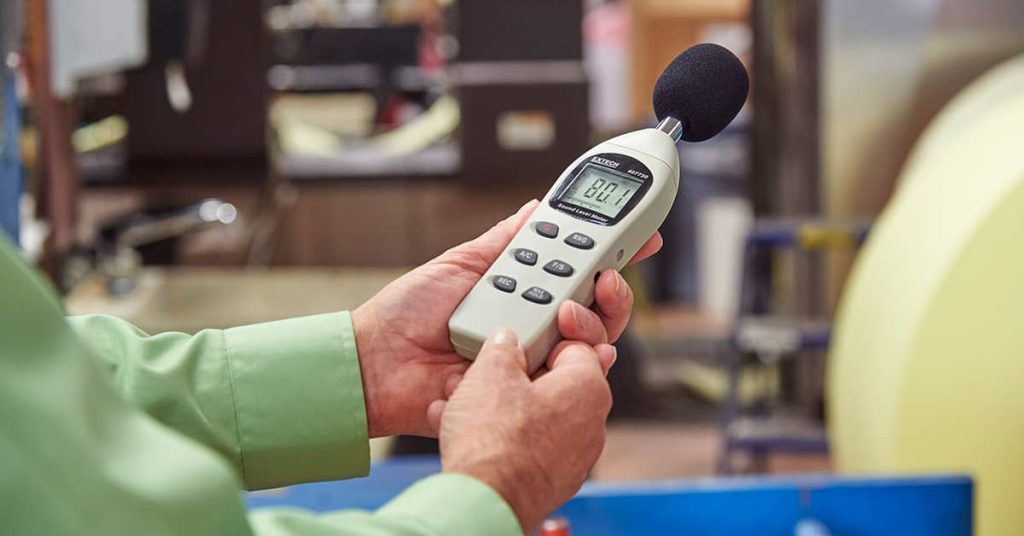
Noise Monitoring in Qatar – Protecting Workers from Harmful Sound Exposure Noise Monitoring in Qatar is one of the most important occupational hygiene practices for industries that operate in high-decibel environments. In construction, oil & gas, manufacturing, and transportation sectors, constant exposure to loud noise can cause hearing loss, fatigue, and reduced productivity. By implementing effective noise monitoring programs, organizations in Qatar can ensure compliance with Qatar Labor Law and international standards such as ISO 9612, OSHA 1910.95, and NIOSH guidelines—creating safer, more sustainable workplaces. What Is Noise Monitoring? Noise monitoring involves the measurement and evaluation of sound levels to determine whether workers are exposed to potentially harmful noise. It includes: Personal Noise Monitoring: Using dosimeters worn by workers to record exposure during a work shift. Area Noise Surveys: Measuring ambient sound levels in different workplace zones. Octave Band Analysis: Identifying specific noise frequencies to design effective control measures. The collected data helps employers develop strategies such as engineering controls, acoustic barriers, and hearing conservation programs. Why Noise Monitoring Is Essential in Qatar Workplace noise is one of the leading causes of occupational hearing loss worldwide. In Qatar, industries with heavy machinery or continuous mechanical operations are particularly at risk. Conducting noise monitoring in Qatar provides key benefits: Protects workers’ hearing and long-term health Ensures compliance with local and international safety standards Prevents fines or penalties for non-compliance Improves worker focus, morale, and communication Supports ISO 45001 and HSE audit requirements Without regular monitoring, excessive noise can go unnoticed, leading to irreversible hearing damage and reduced operational efficiency. Key Industries That Require Noise Monitoring Construction and Infrastructure Projects – heavy equipment and concrete cutting Oil & Gas and Petrochemical Plants – compressors, turbines, and pumps Manufacturing Facilities – mechanical presses, metal fabrication, and assembly lines Airports and Transportation Hubs – aircraft engines and maintenance operations Power Generation and Utilities – turbines, generators, and cooling systems Each of these industries must monitor sound exposure levels and implement a hearing conservation program when limits are exceeded. How JAB International Consultancy Can Help At JAB International Consultancy, we provide comprehensive noise monitoring services in Qatar designed to ensure accurate measurement, compliance, and worker protection. Our services include: Personal and environmental noise exposure assessments Area noise mapping and acoustic surveys Analysis of exposure levels against permissible limits Practical recommendations for control and mitigation Documentation for audits and ISO certification support Our certified team uses advanced, calibrated instruments and follows international procedures to deliver reliable data for risk management and decision-making. For additional reference, explore the NIOSH Sound Level Meter App, a trusted global resource for workplace noise measurement. Creating a Safer, Quieter Workplace By identifying and controlling excessive noise sources, organizations not only safeguard employee health but also improve overall performance and morale. Regular noise monitoring in Qatar demonstrates a strong commitment to corporate responsibility, sustainability, and worker welfare. At JAB International Consultancy, we stand as your trusted partner for professional HSE and Industrial Hygiene services—helping you protect your workforce and comply with safety regulations efficiently.
Workplace Exposure Monitoring Qatar
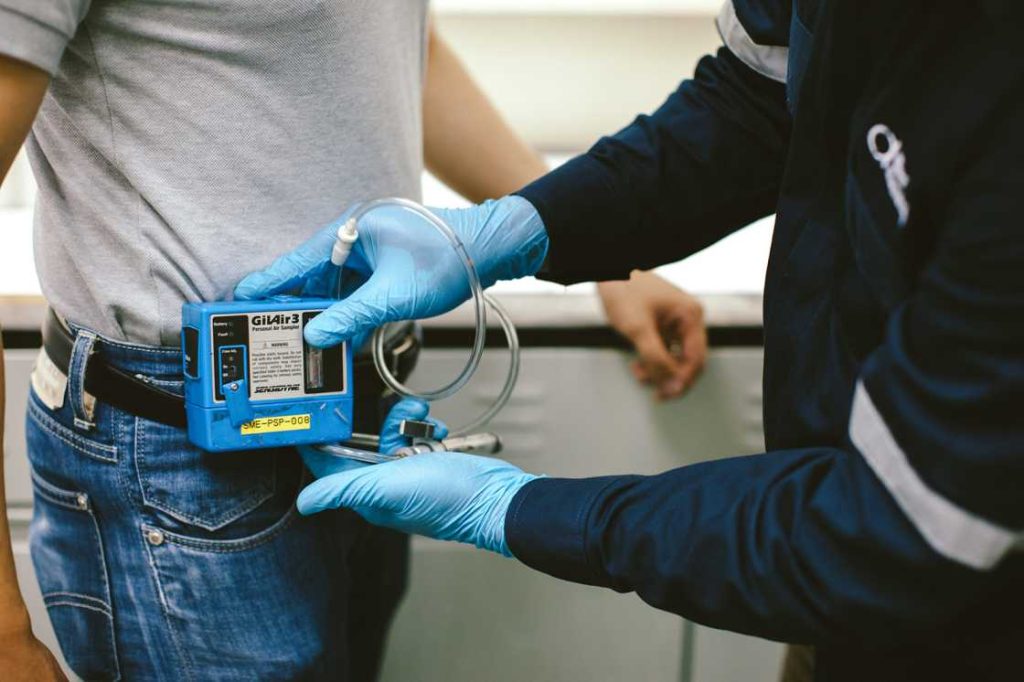
Workplace Exposure Monitoring in Qatar – Safeguarding Employees from Occupational Hazards Workplace Exposure Monitoring in Qatar is a fundamental part of every organization’s health and safety strategy. In high-risk industries such as oil & gas, construction, manufacturing, and logistics, workers are frequently exposed to chemical, physical, and biological hazards that can pose serious health risks if not properly managed. By implementing a structured exposure monitoring program, organizations can identify potential hazards, evaluate exposure levels, and ensure compliance with Qatar’s occupational health and safety regulations — helping to protect both people and business operations. What Is Workplace Exposure Monitoring? Workplace exposure monitoring involves the systematic measurement and assessment of harmful agents in the work environment that employees might inhale, absorb, or come into contact with. These include: Airborne contaminants: dust, fumes, gases, vapors, and mists Physical agents: noise, heat, vibration, and radiation Chemical substances: solvents, acids, hydrocarbons, and heavy metals Monitoring is typically carried out by qualified industrial hygienists using specialized equipment to collect air, surface, or biological samples. The results are then compared to established Occupational Exposure Limits (OELs) defined by organizations such as ACGIH, NIOSH, and OSHA. Why Is Workplace Exposure Monitoring Important in Qatar? Qatar’s industrial expansion and focus on worker welfare make occupational health monitoring essential for sustainable growth. Conducting workplace exposure monitoring in Qatar offers several critical advantages: Protects employee health by identifying hazardous exposure levels early Ensures compliance with Qatar Labor Law and international standards Prevents occupational illnesses like respiratory diseases and hearing loss Improves workplace safety culture and employee confidence Supports ISO 45001 and ISO 14001 certifications Regular monitoring also enables employers to evaluate the effectiveness of control measures such as ventilation systems, PPE usage, and engineering controls. Types of Workplace Exposure Monitoring Airborne Contaminant Sampling – Measures dust, fumes, vapors, and gases present in the air. Noise and Vibration Monitoring – Evaluates worker exposure to harmful sound levels and mechanical vibrations. Heat Stress Assessment – Determines the impact of thermal environments on worker comfort and safety. Chemical Exposure Testing – Identifies risks from solvents, acids, and other hazardous materials. Biological and Surface Sampling – Checks for microbial or chemical residue exposure. Each type of monitoring provides valuable insights into workplace hazards and helps shape more effective health and safety strategies. How JAB International Consultancy Supports You At JAB International Consultancy, we deliver professional workplace exposure monitoring services in Qatar designed to meet the highest international standards. Our certified industrial hygienists utilize advanced sampling instruments and accredited laboratories to ensure accurate and reliable results. Our services include: Personal and area exposure monitoring Air contaminant sampling for dust, gas, mist, and vapors Noise and vibration exposure assessments Heat stress and thermal comfort evaluations Detailed analytical reporting and expert recommendations With our data-driven approach, we help organizations identify exposure risks, implement corrective actions, and maintain full compliance with occupational health requirements. To learn more about international exposure standards, visit the NIOSH Manual of Analytical Methods. Industries That Require Exposure Monitoring Oil & Gas and Petrochemical Facilities – VOCs, H₂S, and noise monitoring Construction and Infrastructure Projects – dust, silica, and heat stress assessments Manufacturing and Welding Operations – fumes, gases, and vibration exposure Laboratories and Chemical Plants – solvent and vapor analysis Transportation and Logistics – diesel exhaust and noise exposure Each industry presents unique challenges, making customized monitoring essential to protect worker health and maintain operational integrity. Conclusion Workplace Exposure Monitoring in Qatar is a proactive measure that not only protects workers but also enhances organizational performance and reputation. By continuously assessing workplace environments, employers can prevent health issues, reduce downtime, and promote a culture of safety and well-being. At JAB International Consultancy, we take pride in being your trusted HSE and Industrial Hygiene support partner, ensuring that every assessment contributes to a safer, healthier, and more compliant workplace.
Air Contaminant Sampling Qatar
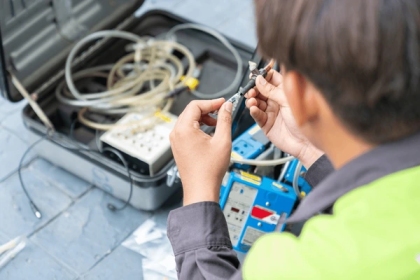
Air Contaminant Sampling in Qatar – Ensuring Safe and Healthy Work Environments Air Contaminant Sampling in Qatar is an essential process for protecting workers from harmful airborne substances that may be present in industrial and commercial workplaces. From oil and gas operations to construction and manufacturing sites, employees may be exposed to various air contaminants such as dust, gases, vapors, fumes, and mists. Monitoring these contaminants is critical to ensure worker health, environmental compliance, and sustainable business operations. By conducting regular air contaminant sampling, companies in Qatar can assess workplace exposure levels, control health risks, and comply with both Qatar Labor Law and international occupational hygiene standards. What Is Air Contaminant Sampling? Air contaminant sampling is the process of collecting and analyzing airborne particles, gases, and vapors to determine their concentration in workplace environments. These measurements help identify whether exposure levels exceed permissible limits defined by organizations such as ACGIH, OSHA, and NIOSH. The process can include several types of sampling, such as: Personal Sampling: Measuring an individual worker’s exposure during their shift. Area Sampling: Monitoring air quality in specific work zones or confined spaces. Real-Time Monitoring: Continuous measurement of contaminant levels for immediate assessment. Each sampling method provides valuable data to help organizations develop effective control measures, such as ventilation improvements, PPE selection, and process modifications. Common Air Contaminants in Qatar’s Workplaces Industrial operations in Qatar often involve exposure to multiple types of airborne contaminants. The most common include: Dust and Particulates: From cutting, grinding, and construction activities Fumes: Generated during welding, soldering, or metal fabrication Gases and Vapors: From solvents, fuels, and chemical processes Mists: Produced during spraying, cleaning, or lubrication operations Fibers: From insulation materials, asbestos, or fiberglass Inhaling these substances can lead to respiratory illnesses, skin irritation, or long-term diseases such as asthma and occupational lung disorders. Why Air Contaminant Sampling Is Important in Qatar Conducting air contaminant sampling in Qatar offers several key benefits for organizations: Protects employee health by detecting hazardous substances early Ensures compliance with Qatari and international occupational safety regulations Reduces liability by preventing exposure-related health claims Improves workplace air quality and overall employee well-being Supports ISO 45001 and ISO 14001 certification requirements Accurate sampling data allows companies to make informed decisions and implement targeted control strategies that improve both safety and productivity. How JAB International Consultancy Can Help At JAB International Consultancy, we specialize in professional air contaminant sampling services in Qatar. Our certified industrial hygienists use advanced monitoring instruments and accredited analytical methods to measure workplace air quality accurately. Our comprehensive services include: Personal and area air sampling for gases, vapors, and particulates Dust, mist, and fume exposure assessments Real-time monitoring and detailed reporting Laboratory analysis based on global standards (NIOSH/OSHA) Recommendations for exposure control and regulatory compliance We support clients across multiple industries including oil & gas, manufacturing, construction, and transportation — helping them maintain safe and compliant work environments. To learn more about recognized exposure limits and methods, visit the NIOSH Pocket Guide to Chemical Hazards. Industries That Benefit from Air Contaminant Sampling Oil & Gas and Petrochemical Plants – VOC and gas monitoring Construction and Demolition Sites – dust and silica exposure testing Manufacturing and Welding Workshops – fume and particulate analysis Chemical Plants and Laboratories – vapor and solvent detection Warehousing and Logistics Facilities – CO and exhaust gas evaluation Each of these industries faces unique airborne hazards that require tailored sampling programs to ensure health protection and legal compliance. Conclusion Air Contaminant Sampling in Qatar is a proactive step toward ensuring a safe, compliant, and health-conscious workplace. By identifying and controlling exposure to airborne hazards, companies can safeguard their most valuable asset — their workforce. At JAB International Consultancy, we’re committed to helping industries maintain cleaner air and safer operations through reliable sampling, detailed reporting, and expert guidance.
Mist and Fiber Sampling Qatar

Mist and Fiber Sampling in Qatar – Safeguarding Worker Health in Industrial Environments Mist and Fiber Sampling in Qatar plays a vital role in protecting workers from airborne contaminants that can pose serious health hazards. In industries such as oil & gas, metal fabrication, manufacturing, and construction, exposure to mists and fibers can cause respiratory diseases, skin irritation, and long-term lung disorders. Through professional sampling and monitoring, organizations can identify harmful airborne particles, evaluate workplace exposure, and ensure compliance with Qatar’s occupational health standards and international guidelines. What Is Mist and Fiber Sampling? Mist and fiber sampling is an industrial hygiene process used to detect and measure the concentration of airborne liquid droplets and fibers that workers may inhale during their shifts. Mists are formed when liquids are dispersed into fine droplets — often during processes like metalworking, electroplating, or painting. Fibers are elongated particles released during the handling of materials such as asbestos, insulation, or synthetic fibers. By collecting air samples over specific time periods, industrial hygienists can assess whether exposure levels exceed occupational exposure limits (OELs) defined by organizations such as NIOSH, OSHA, and ACGIH. Common Sources of Mists and Fibers in Qatar’s Industries Qatar’s growing industrial landscape makes mist and fiber exposure monitoring essential. Some common sources include: Metalworking fluids used in machining and cutting operations Spray painting and coating processes that generate fine mist particles Cooling towers and lubrication systems producing oil mists Asbestos-containing materials in older construction or demolition sites Fiberglass, mineral wool, and synthetic fibers used in insulation or manufacturing Without proper controls, workers can inhale or come into contact with these contaminants, leading to health issues such as respiratory irritation, fibrosis, or cancer. Importance of Mist and Fiber Sampling in Qatar Implementing a regular mist and fiber sampling program in Qatar offers several key benefits: Protects worker health by identifying and controlling hazardous exposures Ensures compliance with Qatar’s labor and environmental safety regulations Prevents occupational illnesses such as asthma, pneumonitis, or asbestosis Supports ISO 45001 and ISO 14001 management systems Promotes a safer and more productive workplace Accurate sampling data also allows employers to evaluate the effectiveness of engineering controls, ventilation systems, and personal protective equipment (PPE). How JAB International Consultancy Supports Your Workplace At JAB International Consultancy, we provide comprehensive mist and fiber sampling services in Qatar. Our certified industrial hygienists utilize advanced sampling techniques and analytical methods to detect even trace levels of airborne contaminants. Our services include: Personal and area sampling for mist and fibers Laboratory analysis using recognized international methods Detailed reporting with exposure assessment results Recommendations for engineering and administrative controls Guidance for maintaining regulatory compliance We work closely with industries across Qatar to ensure worker health and environmental standards are consistently met. For reference on fiber sampling methodologies, visit the NIOSH Manual of Analytical Methods (NMAM). Industries That Require Mist and Fiber Sampling Oil & Gas Operations – monitoring oil mist during drilling and refining Construction and Demolition – testing for asbestos fibers and dust Metal Fabrication – assessing mist exposure from metalworking fluids HVAC and Maintenance – checking for airborne fibers in ventilation systems Manufacturing and Chemical Plants – monitoring synthetic fiber release Each of these sectors involves processes that can generate airborne contaminants, making regular sampling crucial to maintaining occupational hygiene. Conclusion Mist and Fiber Sampling in Qatar is essential for any organization committed to ensuring a safe and healthful work environment. Regular monitoring helps identify exposure sources, maintain compliance, and protect workers from potentially life-threatening conditions. At JAB International Consultancy, we combine expertise, technology, and commitment to deliver reliable industrial hygiene monitoring solutions that promote safety and sustainability in every workplace.
Gas and Vapor Sampling Qatar
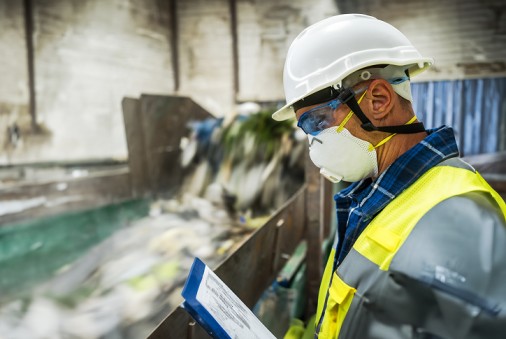
Gas and Vapor Sampling in Qatar – Protecting Workers from Invisible Hazards Gas and Vapor Sampling in Qatar is a vital component of industrial hygiene and occupational health programs. In industries such as oil & gas, petrochemical, manufacturing, and construction, workers are often exposed to hazardous gases and vapors that are invisible but potentially dangerous. These airborne contaminants can cause respiratory illnesses, chemical burns, or long-term organ damage if not properly monitored and controlled. Through professional gas and vapor sampling, organizations can detect harmful concentrations early, evaluate exposure risks, and ensure compliance with both Qatari and international safety regulations. What Is Gas and Vapor Sampling? Gas and vapor sampling involves the collection and analysis of airborne contaminants present in the workplace atmosphere. The goal is to measure the concentration of harmful substances such as volatile organic compounds (VOCs), hydrocarbons, solvents, and other gases emitted from industrial processes. Sampling can be performed using either active or passive methods, depending on the type of contaminant and the work environment: Active Sampling: Uses pumps to draw air through collection media (tubes or filters) at a controlled rate. Passive Sampling: Relies on diffusion, allowing contaminants to naturally migrate to the collection media over time. The collected samples are then analyzed in accredited laboratories to compare results with occupational exposure limits (OELs) set by organizations such as OSHA, ACGIH, and NIOSH. Common Gases and Vapors Monitored Different workplaces in Qatar require monitoring for specific substances depending on their operations. Some of the most frequently sampled gases and vapors include: Volatile Organic Compounds (VOCs) – emitted from paints, coatings, adhesives, and cleaning agents Hydrogen Sulfide (H₂S) – common in oil and gas operations Carbon Monoxide (CO) – produced during combustion processes Ammonia and Chlorine – used in refrigeration and chemical industries Solvents and Hydrocarbons – from petrochemical and paint manufacturing processes Formaldehyde – often found in laboratory and manufacturing environments Each of these contaminants has defined exposure limits, and exceeding them can pose severe health risks for workers. Why Gas and Vapor Sampling Is Important in Qatar As Qatar continues its industrial expansion, maintaining air quality and protecting worker health have become national priorities. Many industrial activities release gases and vapors that are odorless, colorless, and often undetectable without specialized equipment. Conducting gas and vapor sampling in Qatar helps organizations: Identify exposure risks early and take corrective measures Ensure compliance with Qatari occupational health regulations Prevent acute and chronic illnesses caused by toxic exposure Protect worker well-being and improve morale Support environmental sustainability goals through emission monitoring Regular sampling also supports ISO 45001 and ISO 14001 management systems by providing data for continuous improvement in health and environmental performance. How JAB International Consultancy Can Help At JAB International Consultancy, we specialize in providing comprehensive gas and vapor sampling services in Qatar. Our team of qualified industrial hygienists and safety professionals use advanced sampling instruments to ensure accurate, reliable, and compliant results. Our services include: Personal and area air sampling for gases and vapors VOC and hydrocarbon detection using calibrated monitoring equipment Detailed laboratory analysis and comparison with exposure limits Customized reports and control recommendations Support for regulatory inspections and audits We help clients across Qatar ensure that workplace air quality meets both national and international standards for safety and compliance. For global reference on sampling techniques, see the NIOSH Manual of Analytical Methods. Industries That Require Gas and Vapor Sampling Oil & Gas and Petrochemical Plants – monitoring H₂S, VOCs, and hydrocarbons Construction Sites – measuring exhaust fumes and solvent vapors Manufacturing and Fabrication – assessing chemical and coating processes Laboratories and Hospitals – checking anesthetic gases and sterilization chemicals Warehouses and Storage Facilities – testing for refrigerant leaks or confined space gases Each industry faces unique air quality challenges, and tailored sampling programs are essential to maintain safe and compliant working environments. Conclusion Gas and Vapor Sampling in Qatar is a proactive measure to identify invisible workplace hazards before they cause harm. With accurate sampling, timely analysis, and expert guidance, organizations can prevent health risks, enhance worker safety, and maintain full regulatory compliance. At JAB International Consultancy, we’re dedicated to helping businesses achieve cleaner, safer, and healthier work environments through professional air monitoring and risk assessment services.
Air Quality Testing Qatar
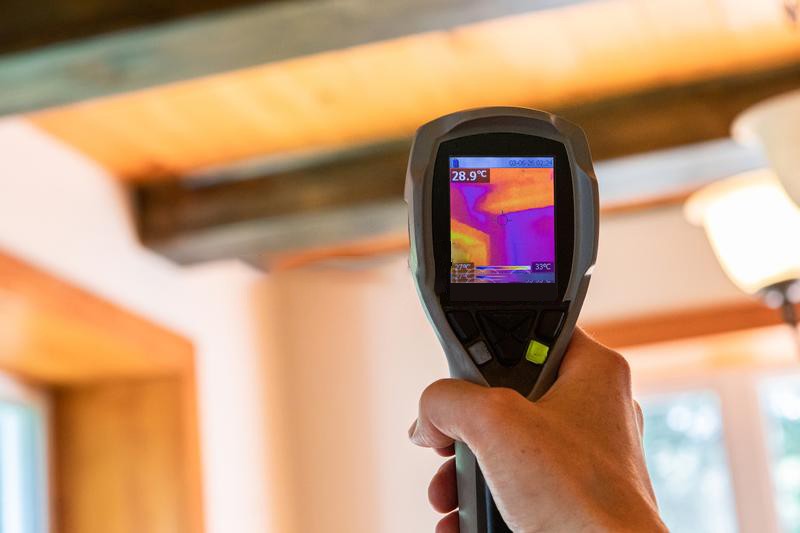
Air Quality Testing in Qatar – Ensuring Cleaner, Safer Work Environments Air Quality Testing in Qatar has become an essential part of maintaining a healthy workplace and community as the country continues to expand industrially and commercially. With rapid urbanization, construction, and industrial development, the need for reliable air testing and monitoring services has never been greater. Poor air quality can lead to respiratory problems, reduced productivity, and long-term health risks for workers and residents alike. At JAB International Consultancy, we provide professional air quality testing and monitoring services that help organizations meet environmental regulations, safeguard employee health, and ensure compliance with Qatar’s HSE and environmental standards. Why Air Quality Testing Is Important in Qatar The air we breathe can contain a variety of contaminants—dust, fumes, gases, and vapors—that may not be visible but can have serious health implications. In Qatar’s high-temperature climate and industrial work zones, airborne pollutants can accumulate quickly, making continuous monitoring crucial. Key reasons why air quality testing matters: Protect Worker Health: Detect harmful levels of dust, carbon monoxide, volatile organic compounds (VOCs), and chemical fumes. Ensure Legal Compliance: Meet Qatar Labor Law and environmental health regulations. Reduce Occupational Risks: Prevent respiratory diseases, allergies, and fatigue among workers. Improve Workplace Productivity: Healthier air promotes better concentration and efficiency. Support Sustainability Goals: Minimize emissions and improve environmental performance. Types of Air Quality Testing Air quality testing can be categorized based on the contaminants present and the environment being evaluated. Common assessments include: 1. Indoor Air Quality Testing Focuses on evaluating pollutants inside buildings, offices, and enclosed workspaces such as: Carbon dioxide (CO₂) and carbon monoxide (CO) Volatile organic compounds (VOCs) Formaldehyde, mold spores, and particulate matter Humidity and ventilation adequacy 2. Workplace Air Quality Testing Used in industrial settings to assess exposure to hazardous materials like: Welding fumes, silica dust, and chemical vapors Solvent emissions and combustion by-products Airborne heavy metals such as lead and cadmium 3. Ambient Air Quality Monitoring This type of testing is conducted outdoors to assess the air around industrial facilities or construction sites, ensuring emissions remain within acceptable environmental limits. Regulatory Standards for Air Quality in Qatar Qatar enforces strict air quality regulations aligned with both local and international standards. Air testing results are typically compared with limits established by: Qatar’s Ministry of Environment and Climate Change (MECC) Occupational Safety and Health Administration (OSHA) World Health Organization (WHO) NIOSH (National Institute for Occupational Safety and Health) Maintaining compliance with these standards helps organizations avoid penalties while demonstrating a commitment to employee welfare and sustainability. For further global guidance, visit World Health Organization – Ambient Air Quality Guidelines. How JAB International Consultancy Supports You At JAB International Consultancy, we provide complete air quality testing services in Qatar tailored to your operational needs. Our qualified HSE and industrial hygiene specialists use calibrated instruments and standardized sampling methods to deliver accurate and actionable results. Our services include: Indoor and outdoor air quality assessments Dust and fume sampling for workplaces VOC and gas detection using advanced analyzers Ventilation performance testing Detailed reporting and control recommendations Whether you need routine air monitoring or a comprehensive air quality management plan, our team ensures your organization meets safety, environmental, and regulatory requirements. Benefits of Professional Air Quality Testing Partnering with experienced consultants ensures that your air quality assessment is both accurate and compliant. Some major benefits include: Early detection of harmful pollutants Improved worker comfort and morale Reduced absenteeism and health-related costs Enhanced corporate reputation and audit readiness Evidence-based decision-making for air control systems Conclusion In a rapidly developing nation like Qatar, air quality testing is no longer optional—it’s a responsibility. Regular testing helps companies protect their people, optimize processes, and comply with national and international environmental regulations. With professional guidance from JAB International Consultancy, you can ensure a healthier, safer, and more compliant working environment—today and for the future.
Dust and Fume Sampling Qatar
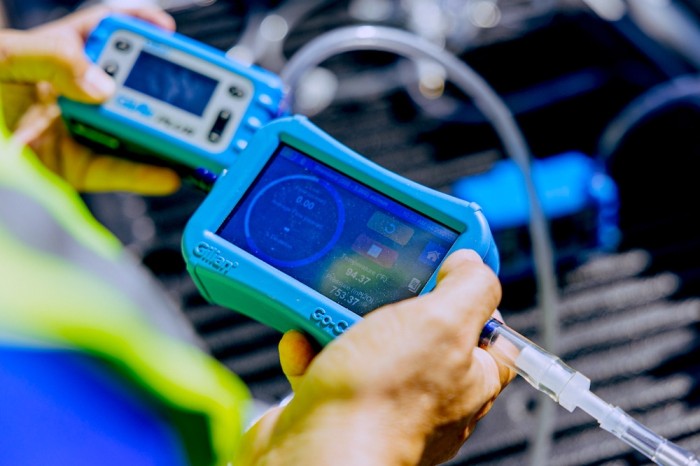
Dust and Fume Sampling in Qatar – Protecting Worker Health and Ensuring Air Quality Compliance Dust and Fume Sampling in Qatar is one of the most critical aspects of industrial hygiene and occupational health management. In workplaces such as oil and gas facilities, construction sites, metal fabrication workshops, and manufacturing plants, employees are often exposed to airborne particles, welding fumes, and chemical vapors that can harm respiratory health. Through accurate sampling and analysis, organizations can determine exposure levels, control risks, and comply with Qatar’s strict occupational safety regulations. By investing in dust and fume monitoring, businesses not only protect their workforce but also demonstrate a strong commitment to sustainable and safe operations. Understanding Dust and Fume Sampling Dust and fume sampling involves collecting air samples from workplaces to evaluate the presence and concentration of airborne contaminants. The process is usually performed using specialized equipment such as personal air samplers, area samplers, and gravimetric filters. The key objectives of this process include: Measuring employee exposure to dust and fumes Identifying hazard sources and high-risk activities Evaluating the effectiveness of ventilation systems Ensuring compliance with Qatar Labor Law and international HSE standards The collected samples are then analyzed in accredited laboratories to determine concentrations of specific contaminants. Results are compared to international exposure limits such as those defined by OSHA (Occupational Safety and Health Administration), ACGIH (American Conference of Governmental Industrial Hygienists), and NIOSH (National Institute for Occupational Safety and Health). Types of Dust and Fume Sampling Workplaces in Qatar vary in processes and environmental conditions, which is why sampling methods are customized to fit each operation. 1. Dust Sampling Dust sampling focuses on detecting particles that can be inhaled or deposited in the lungs. Common types include: Total Dust Sampling – Measures all airborne particles regardless of size. Respirable Dust Sampling – Targets smaller particles (e.g., silica) that penetrate deep into the lungs. Inhalable Dust Sampling – Measures larger particles that may be trapped in the upper airways. 2. Fume Sampling Fume sampling identifies metallic and chemical vapors generated during industrial operations such as: Welding, cutting, or soldering Metal casting or smelting Chemical processing and paint spraying Plastic manufacturing and thermal decomposition Monitoring fumes ensures employees are not overexposed to hazardous metals like lead, cadmium, chromium, or manganese. Why Dust and Fume Sampling Is Important in Qatar As Qatar continues to develop major infrastructure and industrial projects, ensuring worker health has become a national priority. Poor indoor air quality and prolonged exposure to contaminants can cause serious health effects such as: Respiratory illnesses (asthma, bronchitis, pneumoconiosis) Allergic reactions and eye irritation Chronic lung diseases like silicosis Long-term damage to the liver, kidneys, or nervous system due to metal fumes Regular dust and fume sampling in Qatar helps employers: Detect and mitigate potential exposure risks early Meet regulatory compliance with Qatar’s Ministry of Labor and HSE standards Maintain a safe and healthy workplace environment Prevent occupational diseases and compensation claims Improve worker morale and productivity Our Expertise in Dust and Fume Sampling At JAB International Consultancy, we specialize in industrial hygiene and air quality monitoring services across Qatar. Our certified professionals provide accurate and comprehensive dust and fume sampling for a wide range of industries. Our services include: Personal and area air monitoring for dust, fumes, and gases Workplace exposure assessment in line with ACGIH and NIOSH methods Detailed reports with recommendations for corrective actions Control measure guidance such as engineering improvements or PPE upgrades Periodic re-sampling to verify the effectiveness of implemented controls We follow globally recognized procedures to ensure precise, reliable results that help organizations maintain full compliance with local and international safety standards. For reference to international best practices, visit the NIOSH Manual of Analytical Methods. Industries That Require Dust and Fume Sampling in Qatar Oil and Gas Facilities – To monitor gases, fumes, and particulate exposure in maintenance and production areas. Construction and Cement Plants – For silica dust, cement particles, and concrete grinding residues. Metal Fabrication Workshops – For welding fumes and metallic oxides. Manufacturing Plants – For chemical emissions, powders, and solvents. Woodworking and Furniture Units – For sawdust, lacquer, and adhesive fumes. Each industry has unique exposure risks, and our consultants tailor monitoring strategies to suit each environment. Conclusion Conducting regular dust and fume sampling in Qatar is essential for maintaining safe, compliant, and sustainable workplaces. By accurately measuring exposure levels, organizations can make informed decisions to control risks, safeguard employee health, and meet regulatory standards. With professional support from JAB International Consultancy, companies can confidently protect their workforce and ensure cleaner, healthier air across all operations.
HAZID Review and Reporting Qatar

HAZID Review and Reporting in Qatar – Strengthening Project Safety from Start to Finish Effective HAZID Review and Reporting in Qatar ensures that workplace and project risks are identified, assessed, and documented accurately before operations begin. In industries such as oil & gas, construction, and manufacturing, a well-structured HAZID (Hazard Identification) process is essential to prevent incidents, safeguard people, and ensure compliance with local and international safety standards. A HAZID Review is more than a checklist—it’s a detailed evaluation of all potential hazards that may arise during project design, construction, or operation. The HAZID Report, on the other hand, serves as official documentation of the findings, recommendations, and actions required to mitigate risks effectively. What Is HAZID Review and Reporting? A HAZID review is a formal analysis process that helps teams identify potential health, safety, and environmental (HSE) hazards associated with any stage of a project. It involves a multidisciplinary workshop facilitated by experienced safety professionals. The reporting stage compiles all workshop discussions, identified hazards, potential consequences, and proposed control measures into a structured document. This report becomes a key reference point for ongoing project safety management. Typical contents of a HAZID report include: Project overview and objectives Identified hazards and their risk ratings Recommended control or mitigation measures Action plans with assigned responsibilities Summary of workshop participants and methodology Importance of HAZID Review and Reporting in Qatar With Qatar’s rapid industrial and infrastructural growth, maintaining the highest safety standards is crucial. Conducting a thorough HAZID review and reporting process allows organizations to: Identify potential hazards during early project phases Ensure regulatory compliance and certification readiness Strengthen risk management frameworks Improve coordination between design, operations, and HSE teams Document clear action plans for future reference Such reviews also demonstrate due diligence and help organizations meet the expectations of clients, auditors, and safety authorities. Role of Experts in HAZID Review Professional facilitators play a vital role in ensuring that every relevant hazard is identified and evaluated properly. Their technical expertise ensures that the report provides accurate, actionable, and compliant safety insights. At JAB International Consultancy, our specialists conduct HAZID Review and Reporting in Qatar following international best practices. We assist organizations in preparing comprehensive documentation, improving their safety culture, and ensuring compliance with both local regulations and global standards. For international standards, visit Energy Institute – Hazard Identification Guidelines. Why Choose JAB International Consultancy? At JAB International Consultancy, we offer end-to-end support for HAZID reviews and reporting—from workshop facilitation to final documentation. Our certified HSE consultants combine technical insight with practical experience to deliver accurate, reliable, and compliant reports that meet client and regulatory expectations. Conclusion A structured HAZID Review and Reporting process in Qatar is essential for proactive risk management and operational safety. By engaging professional facilitators and ensuring accurate documentation, organizations can enhance their safety systems, reduce risks, and protect their workforce and assets effectively.
HAZID Workshop Facilitation Qatar

HAZID Workshop Facilitation in Qatar – Identifying Hazards Before They Occur HAZID Workshop Facilitation in Qatar plays a crucial role in ensuring that potential hazards in projects and operations are identified early—before they lead to costly incidents. As Qatar continues to expand in industries like oil & gas, construction, and infrastructure, effective hazard identification workshops have become an essential part of project safety planning. A HAZID (Hazard Identification) workshop is a proactive method used during the design or planning phase to uncover risks that could affect people, the environment, or assets. By bringing together engineers, HSE professionals, and project stakeholders, organizations can anticipate potential hazards and implement preventive measures well before execution. What Is a HAZID Workshop? A HAZID workshop is a structured brainstorming session guided by an experienced facilitator. The goal is to analyze each stage of a project or process to detect hazards and evaluate their potential impact. Key elements typically covered include: Reviewing project design and operations Identifying health, safety, and environmental risks Evaluating likelihood and severity of potential events Recommending risk control measures Documenting findings for ongoing project safety Such workshops form the foundation for safer design and compliance with Qatari and international safety regulations. Why Conduct a HAZID Workshop in Qatar? In Qatar’s high-risk industries, early risk identification is vital to achieving incident-free operations. A professionally facilitated HAZID workshop helps organizations: Identify hazards during the concept and design stages Ensure regulatory compliance with local and international standards Minimize project delays and operational disruptions Improve communication among multidisciplinary teams Establish a clear record of risk assessments and control measures Role of a HAZID Workshop Facilitator The facilitator plays a key role in ensuring the workshop runs efficiently. An experienced facilitator guides discussions, maintains focus, and ensures that all relevant risks are captured and assessed. Facilitators are typically trained HSE professionals with technical knowledge of the specific industry and processes involved. At JAB International Consultancy, our experts are skilled in HAZID workshop facilitation in Qatar, helping clients across industries to systematically assess hazards, document findings, and implement preventive solutions effectively. Learn more about international HAZID methodologies from the Energy Institute’s HAZID Guidelines. Why Choose JAB International Consultancy? At JAB International Consultancy, we provide structured HAZID workshop facilitation services in Qatar tailored to project-specific needs. Our multidisciplinary team ensures comprehensive risk identification, regulatory compliance, and smooth project execution. Whether it’s for design verification, operational reviews, or new project developments, we help you identify and control risks proactively. Conclusion Conducting a HAZID Workshop in Qatar is one of the most effective ways to strengthen project safety from the start. With expert facilitation, your team can identify hazards early, enhance collaboration, and ensure that safety remains central to every decision made throughout the project lifecycle.