Heat Stress Monitoring in Qatar – Protecting Workers in High-Temperature Environments
Qatar’s climate presents one of the most challenging working environments in the world. With extreme temperatures, high humidity, and prolonged outdoor work common across construction, oil & gas, industrial plants, and logistics, Heat Stress Monitoring in Qatar is essential for safeguarding worker health and ensuring legal compliance.
At JAB International Consultancy, we provide comprehensive heat stress monitoring programs designed to evaluate environmental conditions, protect workers from heat-related illnesses, and support organizations in meeting regulatory and international safety requirements.
Why Heat Stress Monitoring Is Essential in Qatar
Heat stress occurs when the body cannot cool itself effectively. In Qatar, environmental conditions frequently exceed safe working thresholds, making heat risk management a priority for employers. Without proper monitoring, workers face risks such as:
Heat exhaustion
Heat cramps
Heat stroke
Dehydration and fatigue
Reduced concentration and productivity
Heat-related illnesses can escalate rapidly, making continuous monitoring and preventive measures critical.
Regulatory Requirements for Heat Stress in Qatar
Qatar enforces strict summer working hours and mandates workplace heat management practices across all high-risk sectors. Employers are responsible for:
Monitoring and documenting heat levels
Ensuring proper hydration and rest breaks
Assessing high-temperature work zones
Providing PPE and engineering controls
Implementing emergency response plans
International standards such as ACGIH TLV® for Heat Stress and ISO 7243 (WBGT Index) are widely used for reliable assessment.
🔗 External Link: https://www.acgih.org/science/tlv-bei-guidelines (ACGIH TLV® reference)
How Heat Stress Monitoring Works
Heat stress monitoring includes continuous assessment of environmental parameters using specialized instruments. Our service includes:
1. WBGT (Wet Bulb Globe Temperature) Assessment
WBGT is the most common index for evaluating heat stress. It measures:
Air temperature
Humidity
Radiant heat
Air movement
2. Workload and Clothing Adjustment Factors
Monitoring includes analysis of:
Physical workload intensity
Metabolic heat load
Clothing and PPE insulation
Environmental adjustments
3. Risk Categorization and Exposure Limits
We evaluate whether conditions fall under:
Low risk
Moderate risk
High risk
Extreme risk requiring immediate work stoppage
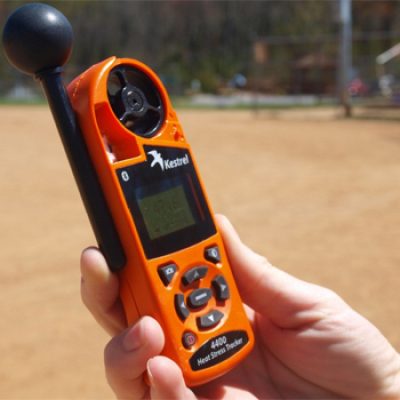
4. Real-Time Heat Stress Monitoring Devices
Where required, we deploy wearable and stationary heat monitoring equipment for continuous safety tracking.
Heat Stress Prevention Measures Implemented
Our heat stress programs include:
Hydration and cooling strategies
Shaded rest areas
Work–rest scheduling
PPE suitability evaluation
Emergency response protocols
Worker awareness and supervisor training
These measures drastically reduce heat illness incidents and help employers maintain compliance.
Industries That Require Heat Stress Monitoring in Qatar
Heat stress monitoring is essential in:
Construction
Oil & Gas
Petrochemical plants
Logistics and warehousing
Agriculture and landscaping
Manufacturing
Utilities and infrastructure
Whether indoor or outdoor, any high-temperature environment requires rigorous heat risk assessment.
Why Choose JAB International Consultancy for Heat Stress Monitoring?
At JAB International Consultancy, we provide scientifically accurate assessments aligned with ACGIH, ISO, and Qatar regulatory requirements. Our services include:
On-site WBGT monitoring
Detailed heat risk assessment reports
Worker training and awareness sessions
Development of Heat Stress Management Plans
Assistance with legal and regulatory compliance
Learn more about our HSE and industrial hygiene services here:
🔗 Internal Link: https://jabconsultancyqatar.com/
Our expert team ensures your workforce stays safe, productive, and fully protected from heat-related hazards.
Conclusion
With temperatures in Qatar consistently rising, Heat Stress Monitoring is no longer optional—it is a fundamental requirement for worker safety and legal compliance. By partnering with JAB International Consultancy, organizations gain reliable data, expert guidance, and effective control measures to manage heat risks throughout the year.
Protect your workforce. Strengthen compliance. Reduce liability.