Heat Stress Prevention Qatar – Protecting Workers from Extreme Temperatures
Qatar’s hot climate presents significant challenges for anyone working outdoors or in high-temperature environments. Industries such as construction, oil & gas, logistics, and manufacturing face increased risk during the summer months when temperatures and humidity levels rise dramatically. As a result, Heat Stress Prevention in Qatar has become a critical component of workplace health and safety programs.
At JAB International Consultancy, we help organizations implement practical, compliant, and effective heat stress prevention strategies to protect employees and maintain operational efficiency.
Understanding Heat Stress in Qatar
Heat stress occurs when the body absorbs more heat than it can release. In Qatar, high temperatures combined with radiant heat, physical exertion, and inadequate airflow significantly increase the risk of heat-related illnesses such as:
Heat exhaustion
Heat cramps
Heat rash
Heat stroke (medical emergency)
Dehydration and fatigue
Without proper preventive measures, heat stress can lead to severe health complications, lost productivity, and workplace incidents.
Why Heat Stress Prevention Is Essential in Qatar
Qatar enforces strict summer working hours to reduce heat exposure risks. Employers must implement preventive strategies to ensure compliance with regulations and international standards such as:
ACGIH TLV® for Heat Stress
ISO 7243 (WBGT Index)
Ministry of Labour heat safety requirements
These guidelines help employers assess hazards and apply effective controls.
🔗 External Link: ACGIH Heat Stress Guidelines – https://www.acgih.org/science/tlv-bei-guidelines
Key Elements of an Effective Heat Stress Prevention Program
1. Heat Risk Assessment and Monitoring
Regular monitoring of environmental conditions is the foundation of heat stress prevention. Using tools such as the Wet Bulb Globe Temperature (WBGT) index helps identify when work adjustments are needed.
2. Hydration and Rest Policies
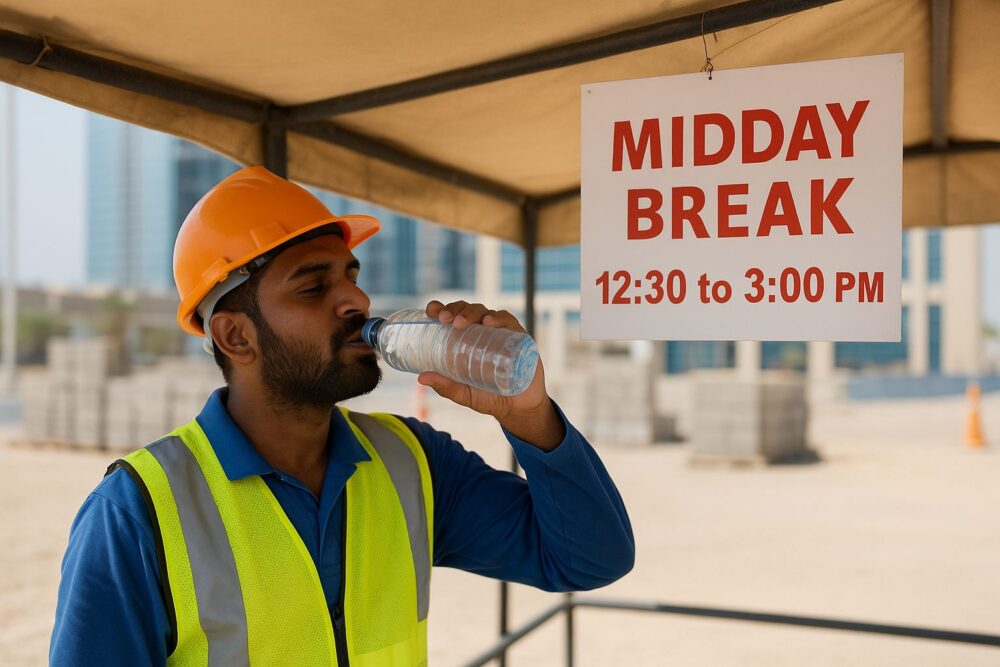
Organizations must ensure access to cool drinking water, electrolyte solutions, and shaded rest areas. Scheduled breaks are essential to prevent overheating.
3. Work–Rest Cycles
Adjusting work intensity during extreme heat helps minimize physiological strain. Heavy workloads should be scheduled during cooler periods of the day.
4. Engineering Controls
Physical modifications can significantly reduce heat exposure:
Air-conditioned rest shelters
Ventilation fans
Cooling vests
Shade structures
5. Administrative Controls
Policies such as acclimatization programs, shift rotation, and emergency response planning strengthen heat prevention efforts.
6. Worker & Supervisor Training
Employees must understand:
Heat stress symptoms
First-aid procedures
Hydration requirements
When to stop work and report symptoms
At JAB International Consultancy, we provide tailored training based on Qatar’s regulatory expectations.
Industries That Must Prioritize Heat Stress Prevention
Heat stress prevention programs are vital in sectors such as:
Construction
Oil & Gas
Landscaping
Warehousing and logistics
Manufacturing
Utilities and maintenance
Transportation
Both indoor and outdoor environments can pose heat risks depending on the nature of work and equipment used.
Benefits of Implementing Heat Stress Prevention Measures
When employers prioritize heat safety, they achieve:
Reduced risk of heat-related illness
Higher productivity and work quality
Enhanced regulatory compliance
Improved worker morale and trust
Fewer incidents and emergency cases
A proactive approach ensures long-term safety and operational continuity.
Heat Stress Prevention Services by JAB International Consultancy
At JAB International Consultancy, we provide complete support for organizations seeking to prevent heat stress, including:
Heat Stress Monitoring & WBGT Assessment
Heat Stress Management Plans
Training programs for workers & supervisors
Development of hydration and rest protocols
Emergency response and preparedness planning
Review of engineering and administrative controls
Learn more about our HSE and Industrial Hygiene solutions:
🔗 Internal Link: https://jabconsultancyqatar.com/
Our team ensures your organization meets regulatory requirements while effectively protecting your workforce.
Conclusion
Heat stress is a serious concern in Qatar, but with proper monitoring, structured prevention programs, and professional guidance, employers can significantly reduce risk. Heat Stress Prevention in Qatar is not just a legal requirement—it is an essential commitment to worker health, safety, and productivity. Partnering with JAB International Consultancy ensures your operations remain safe, compliant, and prepared for extreme heat conditions.