Thermal Comfort Assessment Qatar – Enhancing Indoor Working Conditions
Creating a comfortable indoor environment is essential for maintaining worker productivity, health, and morale—especially in a region like Qatar, where extreme outdoor temperatures place additional stress on HVAC systems and indoor workspaces. Ensuring appropriate temperature, humidity, air movement, and ventilation is crucial, making Thermal Comfort Assessment in Qatar a key requirement for modern workplaces, offices, manufacturing facilities, and commercial buildings.
At JAB International Consultancy, we provide comprehensive thermal comfort evaluations to help organizations meet international standards, enhance worker well-being, and achieve energy-efficient indoor environments.
What Is Thermal Comfort?
Thermal comfort refers to a person’s satisfaction with the surrounding thermal environment. It depends on a combination of environmental and personal factors, including:
Air temperature
Relative humidity
Air movement (air velocity)
Radiant heat from surfaces
Clothing insulation
Physical activity level
Achieving thermal comfort means creating conditions where the majority of occupants feel neither too hot nor too cold.
Why Thermal Comfort Is Important in Qatar
Indoor environments in Qatar face unique thermal challenges due to:
Intense outdoor heat placing load on HVAC systems
Variations in indoor humidity levels
Large indoor spaces with uneven cooling
Increased energy demands for cooling
Indoor air quality issues linked to poor ventilation
Maintaining thermal comfort is essential because it directly affects:
Productivity and concentration
Worker health and well-being
HVAC energy efficiency
Compliance with health and safety guidelines
Employee satisfaction and performance
Indoor discomfort can lead to fatigue, dehydration, and thermal strain, especially in workplaces requiring physical activity.
Standards Used for Thermal Comfort Assessment
Thermal comfort assessments are guided by international standards such as:
ASHRAE Standard 55 – Thermal Environmental Conditions for Human Occupancy
ISO 7730 – Ergonomics of Thermal Environments
PMV (Predicted Mean Vote) and PPD (Predicted Percentage Dissatisfied) methodologies
WBGT (Wet Bulb Globe Temperature) for heat stress-sensitive areas
🔗 External Link: ASHRAE Thermal Comfort Standard – https://www.ashrae.org/technical-resources
These standards define acceptable thermal conditions for indoor work environments and public spaces.
What Thermal Comfort Assessment Includes
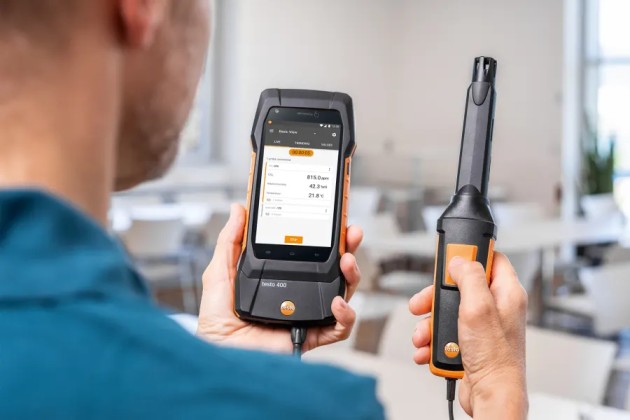
At JAB International Consultancy, our thermal comfort evaluations include a detailed analysis of multiple environmental parameters:
1. Temperature Assessment
We measure ambient temperature variations to ensure the cooling system maintains uniform comfort throughout the workspace.
2. Humidity Monitoring
Relative humidity is crucial for comfort and IAQ (Indoor Air Quality). We check for excessive dryness or high humidity levels.
3. Air Movement (Velocity)
Proper air circulation helps maintain thermal comfort. We assess airflow direction and speed to prevent drafts or stagnation.
4. Radiant Temperature Measurement
Walls, windows, and machinery can emit radiant heat. Our assessment captures how these surfaces influence thermal comfort.
5. Occupant Activity & Clothing Evaluation
We consider workers’ clothing insulation and activity level to determine accurate comfort thresholds.
6. HVAC System Performance Review
We analyze how the ventilation and cooling system performs under real operating conditions.
Industries That Need Thermal Comfort Assessments in Qatar
Thermal comfort assessments are essential for:
Corporate offices
Industrial facilities
Oil & Gas control rooms
Warehouses and logistics centers
Hospitality and retail environments
Schools and educational buildings
Healthcare facilities
Call centers and IT data hubs
Any environment where people spend long periods indoors can benefit from regular thermal comfort evaluations.
Benefits of Conducting Thermal Comfort Assessments
A professionally conducted thermal comfort study provides:
Improved employee productivity
Reduced fatigue and thermal discomfort complaints
Better indoor air quality
Lower energy consumption through optimized HVAC operation
Compliance with HSE and ergonomic standards
Enhanced well-being and worker satisfaction
Comfortable employees perform better and stay more engaged at work.
Thermal Comfort Services by JAB International Consultancy
At JAB International Consultancy, our specialists use calibrated instruments and internationally recognized methods to conduct detailed thermal comfort assessments. Our services include:
Temperature and humidity mapping
HVAC system performance audits
Occupant surveys and comfort analysis
PMV/PPD index calculations
Thermal load evaluation
Corrective action planning
Recommendations for long-term comfort improvements
Learn more about our HSE & Industrial Hygiene services here:
🔗 Internal Link: https://jabconsultancyqatar.com/
We help organizations create healthy, productive indoor environments backed by science and compliance.
Conclusion
A Thermal Comfort Assessment in Qatar is essential for maintaining a healthy and productive workplace environment. Due to the country’s harsh climate, indoor conditions must be carefully managed to ensure employees remain safe, comfortable, and motivated. With JAB International Consultancy, businesses gain accurate assessments, expert recommendations, and long-term solutions for enhanced comfort and efficiency.