Workers Welfare Services Qatar

Workers Welfare Services Qatar – Promoting Worker Well-Being and Compliance Ensuring the welfare of workers is a legal, ethical, and operational responsibility for employers in Qatar. With a diverse workforce and demanding working conditions across sectors such as construction, oil & gas, manufacturing, and services, Workers Welfare Services in Qatar play a critical role in protecting employee rights, improving living and working conditions, and maintaining compliance with national regulations and international standards. At JAB International Consultancy, we support organizations in establishing, implementing, and auditing effective worker welfare systems that enhance well-being while meeting regulatory and client requirements. What Are Workers Welfare Services? Workers Welfare Services are structured programs and systems designed to safeguard the physical, mental, and social well-being of employees. These services go beyond basic compliance and focus on creating humane, safe, and dignified working and living environments. Workers welfare typically covers areas such as: Occupational health and safety Accommodation and living conditions Access to medical care Hygiene and sanitation Fair working hours and rest periods Welfare facilities (canteens, drinking water, rest areas) Grievance handling mechanisms Importance of Workers Welfare in Qatar Qatar has introduced strong labour reforms and welfare requirements to protect workers, particularly in high-risk and labour-intensive industries. Employers are expected to demonstrate proactive welfare management through documented systems and regular monitoring. Effective Workers Welfare Services help organizations: Comply with Qatar Labour Law and Ministry of Labour requirements Meet client and project-specific welfare standards Reduce workplace incidents and health issues Improve productivity and workforce morale Enhance corporate reputation and social responsibility Many welfare practices align with international frameworks such as the ILO (International Labour Organization) conventions.🔗 External Link: https://www.ilo.org/ (International Labour Organization) Key Components of Workers Welfare Services 1. Workers Welfare Management System (WWMS) A structured WWMS defines policies, responsibilities, procedures, and monitoring mechanisms to ensure consistent welfare practices across all operations and contractors. 2. Accommodation and Living Condition Audits Assessment of worker accommodation facilities to ensure compliance with space, hygiene, ventilation, fire safety, and sanitation requirements. 3. Health and Hygiene Management Includes occupational health services, access to medical care, hygiene facilities, potable water, and disease prevention measures. 4. Workplace Safety and Welfare Facilities Evaluation of welfare provisions such as rest shelters, dining facilities, toilets, washing areas, and shaded zones at worksites. 5. Working Hours and Rest Management Review of shift schedules, overtime practices, rest days, and summer working hour compliance. 6. Grievance and Communication Systems Establishing clear channels for workers to raise concerns confidentially and without fear of retaliation. 7. Training and Awareness Programs Worker awareness sessions covering rights, welfare standards, health & safety, and emergency procedures. Industries That Require Workers Welfare Services in Qatar Workers welfare services are essential for: Construction and infrastructure projects Oil & Gas and petrochemical industries Manufacturing and industrial facilities Logistics and warehousing Facility management and services Hospitality and large workforce operations Any organization employing a sizable workforce benefits from a structured welfare approach. Benefits of Implementing Workers Welfare Services Organizations that prioritize workers welfare achieve: Improved compliance with laws and contracts Healthier and more motivated workers Reduced absenteeism and turnover Fewer disputes and grievances Enhanced project sustainability and continuity A strong welfare framework also supports ESG (Environmental, Social, and Governance) objectives. Workers Welfare Services by JAB International Consultancy At JAB International Consultancy, we provide end-to-end Workers Welfare Services in Qatar, including: Development of Workers Welfare Management Systems Welfare audits and inspections Accommodation and site welfare assessments Compliance gap analysis and corrective action plans Training for management and workers Ongoing monitoring and reporting support Learn more about our HSE and worker welfare solutions:🔗 Internal Link: https://jabconsultancyqatar.com/ Our approach ensures welfare systems are practical, compliant, and aligned with client and regulatory expectations. Conclusion Workers Welfare Services in Qatar are essential for protecting employee well-being, ensuring legal compliance, and maintaining ethical business practices. By implementing structured welfare systems and regular monitoring, organizations can create safer, healthier, and more productive workplaces. Partnering with JAB International Consultancy provides expert guidance, reliable assessments, and sustainable welfare solutions tailored to Qatar’s workforce environment.
Heat Stress Risk Assessment Qatar

Heat Stress Risk Assessment Qatar – Ensuring Worker Safety in Extreme Heat Qatar’s harsh climate makes heat exposure one of the most significant occupational hazards for outdoor and high-intensity indoor workplaces. As temperatures rise and humidity intensifies, employers must take proactive steps to protect their workforce. A Heat Stress Risk Assessment in Qatar is essential for identifying hazards, evaluating environmental conditions, and implementing effective control measures that prevent heat-related illnesses. At JAB International Consultancy, we provide comprehensive heat stress risk assessments aligned with international best practices to help organizations maintain compliance and safeguard their employees. What Is a Heat Stress Risk Assessment? A Heat Stress Risk Assessment evaluates environmental, physiological, and operational factors that contribute to heat strain. Its purpose is to determine whether working conditions could cause heat stress, heat exhaustion, or more severe outcomes such as heat stroke. This assessment is critical for sites where workers face: High temperatures Elevated humidity Intense physical exertion Confined or poorly ventilated environments Exposure to radiant heat sources Through systematic evaluation, employers can understand their risk level and implement preventive actions before incidents occur. Why Heat Stress Risk Assessment Is Vital in Qatar Qatar’s summer climate creates unique challenges for industries such as construction, oil & gas, logistics, manufacturing, landscaping, and utilities. Without proper assessment, workers remain vulnerable to: Heat exhaustion Cramps and dehydration Reduced concentration Loss of coordination Heat stroke (medical emergency) Heat-related illnesses can develop rapidly, making risk assessments a legal and operational necessity. Regulatory and International Standards for Heat Stress Companies operating in Qatar must comply with national labour requirements and align with global heat stress guidelines such as: ISO 7243 (WBGT Index) ACGIH TLV® for Heat Stress & Strain Ministry of Labour heat protection regulations These frameworks help determine safe exposure limits and define appropriate corrective measures.🔗 External Link: ACGIH TLV® Heat Stress Guidance – https://www.acgih.org/science/tlv-bei-guidelines Key Components of a Heat Stress Risk Assessment 1. Environmental Monitoring (WBGT Measurement) Wet Bulb Globe Temperature (WBGT) monitoring is the preferred method in Qatar. It accounts for: Temperature Humidity Radiant heat Air movement These factors provide a reliable estimate of heat strain risk. 2. Workload & Metabolic Rate Evaluation Physical workload significantly impacts heat generation in the body. Tasks are categorized as: Light Moderate Heavy Very heavy 3. Clothing and PPE Heat Load Analysis Specialized clothing, flame-resistant coveralls, or PPE can reduce heat dissipation. Assessment includes: Clothing insulation Vapor permeability Required adjustment factors 4. Work–Rest Scheduling Assessment Risk assessments determine the need for work-rest cycles to prevent overheating and fatigue. 5. Hydration and Cooling Strategies Assessment includes reviewing availability of: Hydration stations Cooling shelters Shaded rest areas Electrolyte replacement practices 6. Worker Awareness & Emergency Preparedness Training and emergency response plans are evaluated to ensure workers recognize symptoms early and supervisors respond effectively. Industries That Require Heat Stress Risk Assessments Heat stress risk assessments are essential for: Construction Oil & Gas and petrochemical operations Warehousing and logistics Manufacturing and metal industries Outdoor maintenance and landscaping Utilities and infrastructure projects Both indoor and outdoor environments can present serious risks if not properly monitored. Benefits of Heat Stress Risk Assessment for Employers Conducting a professional assessment offers multiple benefits, including: Compliance with Qatar Labour Law Reduced heat-related illness incidents Improved productivity during high-temperature seasons Better worker morale and retention Enhanced emergency planning Safer overall working conditions Heat Stress Risk Assessment Services by JAB International Consultancy At JAB International Consultancy, we offer specialized Heat Stress Risk Assessment services tailored to Qatar’s challenging climate. Our services include: On-site WBGT monitoring Detailed environmental and workload evaluation Development of Heat Stress Management Plans Worker and supervisor training Control measure evaluation and recommendations Compliance guidance and reporting Learn more about our HSE and industrial hygiene expertise:🔗 Internal Link: https://jabconsultancyqatar.com/ Conclusion Heat Stress Risk Assessment in Qatar is a vital component of workplace safety, especially in industries where extreme temperatures pose significant health risks. By partnering with experienced professionals like JAB International Consultancy, organizations can ensure compliance, prevent heat-related illnesses, and foster a safer, healthier working environment. Proactive heat stress management not only protects workers—it strengthens operations and reduces downtime.
WBGT Monitoring Qatar
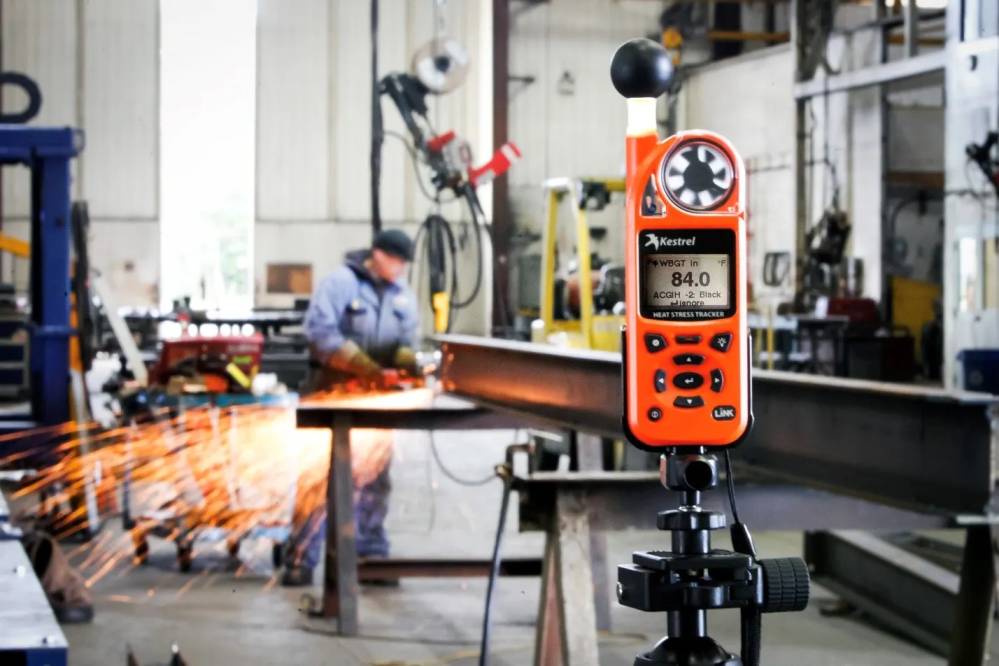
WBGT Monitoring Qatar – Accurate Heat Stress Evaluation for Worker Safety With Qatar’s extremely hot climate and intense humidity, managing heat exposure in workplaces is a top priority. Industries such as construction, oil & gas, logistics, and manufacturing must implement reliable systems to measure heat stress and protect their workforce. WBGT Monitoring in Qatar has become the most trusted and standardized method for evaluating heat stress in both indoor and outdoor environments. At JAB International Consultancy, we specialize in providing accurate, compliant, and customized WBGT monitoring services to help employers meet regulatory requirements and maintain a safe working environment. What Is WBGT Monitoring? The Wet Bulb Globe Temperature (WBGT) index is a widely accepted method for assessing heat stress risks. It measures how environmental heat affects the human body by accounting for: Ambient temperature Humidity Radiant heat from sunlight or equipment Airflow or wind speed These factors combine to give a realistic assessment of heat stress levels and guide safe work practices. WBGT is recommended by international standards such as: ISO 7243 – Hot Environments Assessment ACGIH Heat Stress TLV® Guidelines🔗 External Link: https://www.acgih.org/science/tlv-bei-guidelines Why WBGT Monitoring Is Essential in Qatar Qatar’s environmental conditions frequently exceed safe exposure limits. This makes WBGT monitoring essential for: Preventing heat stress illnesses Complying with labour regulations Maintaining safe work–rest cycles Reducing workplace incidents Protecting outdoor workforce during summer months Many workplaces in Qatar operate in high-risk conditions, and without WBGT assessments, supervisors cannot accurately determine when workers need rest breaks, hydration, or task modifications. How WBGT Monitoring Works 1. On-Site Measurement We use calibrated WBGT meters to measure environmental heat load in real-time. Our assessments include: Outdoor WBGT Indoor WBGT (factories, workshops, warehouses) Solar and non-solar heat environments 2. Workload Classification We categorize tasks as light, moderate, heavy, or very heavy. This helps determine acceptable exposure durations according to recognized guidelines. 3. Clothing and PPE Adjustments When workers wear protective clothing or PPE, heat load increases. We apply scientifically validated correction factors to adjust WBGT thresholds accordingly. 4. Risk Level Determination Based on WBGT readings and workload intensity, heat exposure is classified into: Low Risk Moderate Risk High Risk Extreme Risk These categories guide immediate preventive actions. 5. Recommendations for Control Measures Following the assessment, we provide clear, actionable recommendations, including: Work–rest schedules Hydration strategies Cooling stations and shade structures Break intervals Emergency response requirements Engineering and administrative controls Industries Requiring WBGT Monitoring in Qatar WBGT monitoring is critical in industries such as: Construction Oil & Gas Petrochemical and process plants Infrastructure projects Logistics and warehousing Landscaping Manufacturing Utilities and maintenance Any workplace exposed to heat, radiant sources, machinery, or enclosed spaces can benefit from WBGT evaluation. Benefits of WBGT Monitoring Implementing a robust WBGT monitoring program leads to: Enhanced worker safety Compliance with Qatar Labour regulations Fewer heat-related illnesses Improved productivity during summer Accurate work planning Reduced emergency incidents A proactive heat stress program is essential for maintaining operational efficiency. Why Choose JAB International Consultancy for WBGT Monitoring in Qatar? At JAB International Consultancy, we deliver reliable and compliant WBGT monitoring services tailored to different industries. Our approach includes: Certified and calibrated WBGT equipment Detailed heat stress reports Development of Heat Stress Management Plans On-site training for workers and supervisors Implementation support for heat control strategies Learn more about our HSE and Industrial Hygiene services:🔗 Internal Link: https://jabconsultancyqatar.com/ Our expert consultants ensure your workplace remains safe, compliant, and well-protected from extreme heat. Conclusion As Qatar continues to develop major infrastructure and industrial projects, WBGT Monitoring remains one of the most important tools for heat stress prevention. By partnering with JAB International Consultancy, businesses can accurately assess environmental heat conditions, minimize risks, and ensure regulatory compliance throughout the year. Protect your workforce. Stay compliant. Make informed decisions.
Thermal Comfort Assessment Qatar

Thermal Comfort Assessment Qatar – Enhancing Indoor Working Conditions Creating a comfortable indoor environment is essential for maintaining worker productivity, health, and morale—especially in a region like Qatar, where extreme outdoor temperatures place additional stress on HVAC systems and indoor workspaces. Ensuring appropriate temperature, humidity, air movement, and ventilation is crucial, making Thermal Comfort Assessment in Qatar a key requirement for modern workplaces, offices, manufacturing facilities, and commercial buildings. At JAB International Consultancy, we provide comprehensive thermal comfort evaluations to help organizations meet international standards, enhance worker well-being, and achieve energy-efficient indoor environments. What Is Thermal Comfort? Thermal comfort refers to a person’s satisfaction with the surrounding thermal environment. It depends on a combination of environmental and personal factors, including: Air temperature Relative humidity Air movement (air velocity) Radiant heat from surfaces Clothing insulation Physical activity level Achieving thermal comfort means creating conditions where the majority of occupants feel neither too hot nor too cold. Why Thermal Comfort Is Important in Qatar Indoor environments in Qatar face unique thermal challenges due to: Intense outdoor heat placing load on HVAC systems Variations in indoor humidity levels Large indoor spaces with uneven cooling Increased energy demands for cooling Indoor air quality issues linked to poor ventilation Maintaining thermal comfort is essential because it directly affects: Productivity and concentration Worker health and well-being HVAC energy efficiency Compliance with health and safety guidelines Employee satisfaction and performance Indoor discomfort can lead to fatigue, dehydration, and thermal strain, especially in workplaces requiring physical activity. Standards Used for Thermal Comfort Assessment Thermal comfort assessments are guided by international standards such as: ASHRAE Standard 55 – Thermal Environmental Conditions for Human Occupancy ISO 7730 – Ergonomics of Thermal Environments PMV (Predicted Mean Vote) and PPD (Predicted Percentage Dissatisfied) methodologies WBGT (Wet Bulb Globe Temperature) for heat stress-sensitive areas 🔗 External Link: ASHRAE Thermal Comfort Standard – https://www.ashrae.org/technical-resources These standards define acceptable thermal conditions for indoor work environments and public spaces. What Thermal Comfort Assessment Includes At JAB International Consultancy, our thermal comfort evaluations include a detailed analysis of multiple environmental parameters: 1. Temperature Assessment We measure ambient temperature variations to ensure the cooling system maintains uniform comfort throughout the workspace. 2. Humidity Monitoring Relative humidity is crucial for comfort and IAQ (Indoor Air Quality). We check for excessive dryness or high humidity levels. 3. Air Movement (Velocity) Proper air circulation helps maintain thermal comfort. We assess airflow direction and speed to prevent drafts or stagnation. 4. Radiant Temperature Measurement Walls, windows, and machinery can emit radiant heat. Our assessment captures how these surfaces influence thermal comfort. 5. Occupant Activity & Clothing Evaluation We consider workers’ clothing insulation and activity level to determine accurate comfort thresholds. 6. HVAC System Performance Review We analyze how the ventilation and cooling system performs under real operating conditions. Industries That Need Thermal Comfort Assessments in Qatar Thermal comfort assessments are essential for: Corporate offices Industrial facilities Oil & Gas control rooms Warehouses and logistics centers Hospitality and retail environments Schools and educational buildings Healthcare facilities Call centers and IT data hubs Any environment where people spend long periods indoors can benefit from regular thermal comfort evaluations. Benefits of Conducting Thermal Comfort Assessments A professionally conducted thermal comfort study provides: Improved employee productivity Reduced fatigue and thermal discomfort complaints Better indoor air quality Lower energy consumption through optimized HVAC operation Compliance with HSE and ergonomic standards Enhanced well-being and worker satisfaction Comfortable employees perform better and stay more engaged at work. Thermal Comfort Services by JAB International Consultancy At JAB International Consultancy, our specialists use calibrated instruments and internationally recognized methods to conduct detailed thermal comfort assessments. Our services include: Temperature and humidity mapping HVAC system performance audits Occupant surveys and comfort analysis PMV/PPD index calculations Thermal load evaluation Corrective action planning Recommendations for long-term comfort improvements Learn more about our HSE & Industrial Hygiene services here:🔗 Internal Link: https://jabconsultancyqatar.com/ We help organizations create healthy, productive indoor environments backed by science and compliance. Conclusion A Thermal Comfort Assessment in Qatar is essential for maintaining a healthy and productive workplace environment. Due to the country’s harsh climate, indoor conditions must be carefully managed to ensure employees remain safe, comfortable, and motivated. With JAB International Consultancy, businesses gain accurate assessments, expert recommendations, and long-term solutions for enhanced comfort and efficiency.
Workplace Heat Stress Assessment Qatar

Workplace Heat Stress Assessment Qatar – Protecting Workers from Extreme Heat Conditions Qatar’s climate, characterized by high temperatures and humidity, creates significant risks for workers involved in outdoor or high-exertion tasks. To manage these risks effectively, organizations must conduct a Workplace Heat Stress Assessment in Qatar, ensuring workers remain safe, healthy, and compliant with national regulations. At JAB International Consultancy, we provide comprehensive heat stress assessments tailored to Qatar’s environmental challenges and international safety standards, helping companies reduce incidents and safeguard worker well-being. Why Workplace Heat Stress Assessment Is Crucial in Qatar During the summer months, temperatures in Qatar frequently exceed safe thresholds, making heat stress one of the most common occupational hazards. Without proper assessment and monitoring, workers are at risk of: Heat exhaustion Heat cramps Heat rash Heat stroke (life-threatening) Severe dehydration Reduced performance and concentration Heat stress can quickly escalate into a medical emergency, which is why proactive assessment is essential for all workplaces operating in high-heat environments. Regulatory Requirements for Heat Stress in Qatar The Ministry of Labour mandates heat exposure management through seasonal working hours, hydration policies, and environmental monitoring. Organizations must implement systems that align with: ISO 7243 (WBGT Index for Heat Stress) ACGIH TLV® for Heat Stress Qatar Labour Law heat prevention guidelines These standards help determine safe exposure limits and preventive actions.🔗 External Link: ACGIH TLV® Heat Stress Guidelines – https://www.acgih.org/science/tlv-bei-guidelines What Is a Workplace Heat Stress Assessment? A Workplace Heat Stress Assessment involves analyzing environmental and physiological factors that impact heat exposure. The process includes: 1. WBGT (Wet Bulb Globe Temperature) Monitoring This index is widely used in Qatar and measures: Humidity Air temperature Radiant heat Air movement It provides an accurate indication of heat strain risk. 2. Workload Evaluation We assess tasks based on energy expenditure and classify them as light, moderate, or heavy, which affects worker heat tolerance. 3. Clothing and PPE Adjustment Factors Personal protective equipment can significantly increase body heat load. Our assessment considers: PPE insulation Clothing vapor permeability Required adjustment factors in heat exposure limits 4. Work–Rest Cycles Based on measured conditions, we recommend validated work/rest schedules to limit heat strain and prevent fatigue. 5. Hydration and Thermal Comfort Planning We evaluate hydration practices, shade availability, cooling stations, and break timing for effective heat risk management. 6. Risk Categorization Heat risk levels are classified as: Low Moderate High Extreme (requiring work stoppage or relocation) Industries That Require Heat Stress Assessment in Qatar Workplace heat stress assessments are essential for industries such as: Construction Oil & Gas Petrochemical plants Warehousing and logistics Landscaping Manufacturing Utilities and maintenance Both indoor and outdoor environments can pose risks depending on machinery, processes, and ventilation. Benefits of Performing Workplace Heat Stress Assessments Organizations that conduct heat stress assessments gain: Compliance with Qatar Labour Law and international standards Reduced heat-related illness incidents A safer work environment Higher productivity during summer Improved worker morale Better emergency preparedness Comprehensive heat risk assessments help employers protect their workforce and maintain uninterrupted operations. Why Choose JAB International Consultancy? At JAB International Consultancy, we specialize in Workplace Heat Stress Assessment in Qatar, using certified instruments, validated methods, and internationally recognized guidelines. Our services include: On-site WBGT monitoring Detailed heat stress risk assessment reports Tailored Heat Stress Management Plans Worker and supervisor training Review of hydration and rest protocols Heat stress prevention and control strategy development To explore more services we offer, visit:🔗 Internal Link: https://jabconsultancyqatar.com/ Our expert team ensures your workplace remains compliant, safe, and well-prepared for Qatar’s extreme environmental conditions. Conclusion A Workplace Heat Stress Assessment in Qatar is a critical requirement for any organization operating in hot climates. By evaluating environmental conditions, workload, and worker protection measures, employers can prevent heat-related illnesses, reduce risks, and maintain safer operations. With JAB International Consultancy’s professional support, you gain accurate assessments, practical solutions, and complete compliance with national regulations.
Heat Stress Prevention Qatar
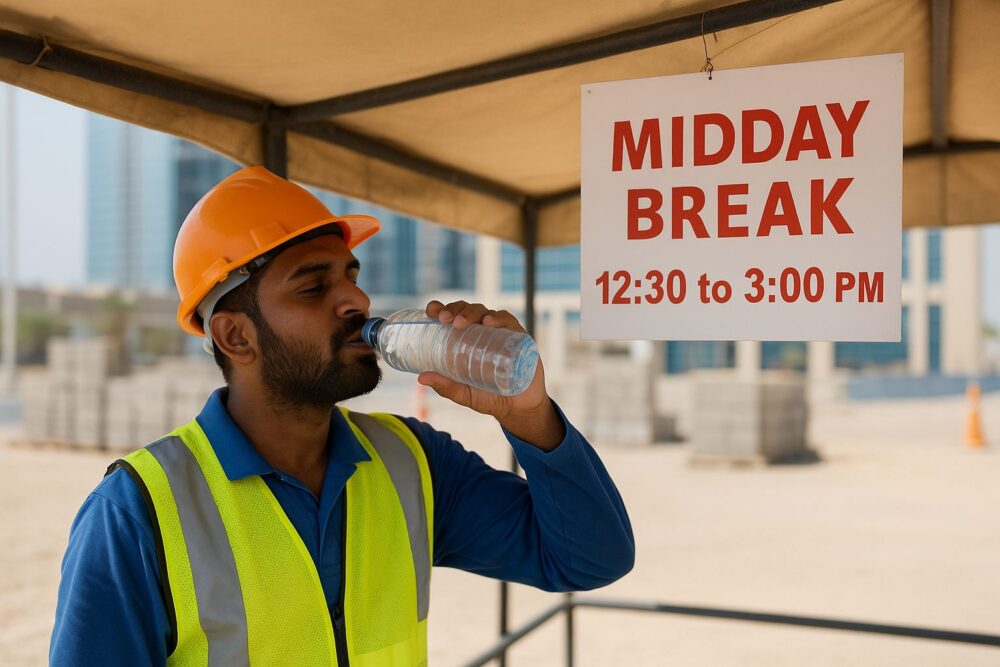
Heat Stress Prevention Qatar – Protecting Workers from Extreme Temperatures Qatar’s hot climate presents significant challenges for anyone working outdoors or in high-temperature environments. Industries such as construction, oil & gas, logistics, and manufacturing face increased risk during the summer months when temperatures and humidity levels rise dramatically. As a result, Heat Stress Prevention in Qatar has become a critical component of workplace health and safety programs. At JAB International Consultancy, we help organizations implement practical, compliant, and effective heat stress prevention strategies to protect employees and maintain operational efficiency. Understanding Heat Stress in Qatar Heat stress occurs when the body absorbs more heat than it can release. In Qatar, high temperatures combined with radiant heat, physical exertion, and inadequate airflow significantly increase the risk of heat-related illnesses such as: Heat exhaustion Heat cramps Heat rash Heat stroke (medical emergency) Dehydration and fatigue Without proper preventive measures, heat stress can lead to severe health complications, lost productivity, and workplace incidents. Why Heat Stress Prevention Is Essential in Qatar Qatar enforces strict summer working hours to reduce heat exposure risks. Employers must implement preventive strategies to ensure compliance with regulations and international standards such as: ACGIH TLV® for Heat Stress ISO 7243 (WBGT Index) Ministry of Labour heat safety requirements These guidelines help employers assess hazards and apply effective controls.🔗 External Link: ACGIH Heat Stress Guidelines – https://www.acgih.org/science/tlv-bei-guidelines Key Elements of an Effective Heat Stress Prevention Program 1. Heat Risk Assessment and Monitoring Regular monitoring of environmental conditions is the foundation of heat stress prevention. Using tools such as the Wet Bulb Globe Temperature (WBGT) index helps identify when work adjustments are needed. 2. Hydration and Rest Policies Organizations must ensure access to cool drinking water, electrolyte solutions, and shaded rest areas. Scheduled breaks are essential to prevent overheating. 3. Work–Rest Cycles Adjusting work intensity during extreme heat helps minimize physiological strain. Heavy workloads should be scheduled during cooler periods of the day. 4. Engineering Controls Physical modifications can significantly reduce heat exposure: Air-conditioned rest shelters Ventilation fans Cooling vests Shade structures 5. Administrative Controls Policies such as acclimatization programs, shift rotation, and emergency response planning strengthen heat prevention efforts. 6. Worker & Supervisor Training Employees must understand: Heat stress symptoms First-aid procedures Hydration requirements When to stop work and report symptoms At JAB International Consultancy, we provide tailored training based on Qatar’s regulatory expectations. Industries That Must Prioritize Heat Stress Prevention Heat stress prevention programs are vital in sectors such as: Construction Oil & Gas Landscaping Warehousing and logistics Manufacturing Utilities and maintenance Transportation Both indoor and outdoor environments can pose heat risks depending on the nature of work and equipment used. Benefits of Implementing Heat Stress Prevention Measures When employers prioritize heat safety, they achieve: Reduced risk of heat-related illness Higher productivity and work quality Enhanced regulatory compliance Improved worker morale and trust Fewer incidents and emergency cases A proactive approach ensures long-term safety and operational continuity. Heat Stress Prevention Services by JAB International Consultancy At JAB International Consultancy, we provide complete support for organizations seeking to prevent heat stress, including: Heat Stress Monitoring & WBGT Assessment Heat Stress Management Plans Training programs for workers & supervisors Development of hydration and rest protocols Emergency response and preparedness planning Review of engineering and administrative controls Learn more about our HSE and Industrial Hygiene solutions:🔗 Internal Link: https://jabconsultancyqatar.com/ Our team ensures your organization meets regulatory requirements while effectively protecting your workforce. Conclusion Heat stress is a serious concern in Qatar, but with proper monitoring, structured prevention programs, and professional guidance, employers can significantly reduce risk. Heat Stress Prevention in Qatar is not just a legal requirement—it is an essential commitment to worker health, safety, and productivity. Partnering with JAB International Consultancy ensures your operations remain safe, compliant, and prepared for extreme heat conditions.
Heat Stress Monitoring in Qatar
Heat Stress Monitoring in Qatar – Protecting Workers in High-Temperature Environments Qatar’s climate presents one of the most challenging working environments in the world. With extreme temperatures, high humidity, and prolonged outdoor work common across construction, oil & gas, industrial plants, and logistics, Heat Stress Monitoring in Qatar is essential for safeguarding worker health and ensuring legal compliance. At JAB International Consultancy, we provide comprehensive heat stress monitoring programs designed to evaluate environmental conditions, protect workers from heat-related illnesses, and support organizations in meeting regulatory and international safety requirements. Why Heat Stress Monitoring Is Essential in Qatar Heat stress occurs when the body cannot cool itself effectively. In Qatar, environmental conditions frequently exceed safe working thresholds, making heat risk management a priority for employers. Without proper monitoring, workers face risks such as: Heat exhaustion Heat cramps Heat stroke Dehydration and fatigue Reduced concentration and productivity Heat-related illnesses can escalate rapidly, making continuous monitoring and preventive measures critical. Regulatory Requirements for Heat Stress in Qatar Qatar enforces strict summer working hours and mandates workplace heat management practices across all high-risk sectors. Employers are responsible for: Monitoring and documenting heat levels Ensuring proper hydration and rest breaks Assessing high-temperature work zones Providing PPE and engineering controls Implementing emergency response plans International standards such as ACGIH TLV® for Heat Stress and ISO 7243 (WBGT Index) are widely used for reliable assessment.🔗 External Link: https://www.acgih.org/science/tlv-bei-guidelines (ACGIH TLV® reference) How Heat Stress Monitoring Works Heat stress monitoring includes continuous assessment of environmental parameters using specialized instruments. Our service includes: 1. WBGT (Wet Bulb Globe Temperature) Assessment WBGT is the most common index for evaluating heat stress. It measures: Air temperature Humidity Radiant heat Air movement 2. Workload and Clothing Adjustment Factors Monitoring includes analysis of: Physical workload intensity Metabolic heat load Clothing and PPE insulation Environmental adjustments 3. Risk Categorization and Exposure Limits We evaluate whether conditions fall under: Low risk Moderate risk High risk Extreme risk requiring immediate work stoppage 4. Real-Time Heat Stress Monitoring Devices Where required, we deploy wearable and stationary heat monitoring equipment for continuous safety tracking. Heat Stress Prevention Measures Implemented Our heat stress programs include: Hydration and cooling strategies Shaded rest areas Work–rest scheduling PPE suitability evaluation Emergency response protocols Worker awareness and supervisor training These measures drastically reduce heat illness incidents and help employers maintain compliance. Industries That Require Heat Stress Monitoring in Qatar Heat stress monitoring is essential in: Construction Oil & Gas Petrochemical plants Logistics and warehousing Agriculture and landscaping Manufacturing Utilities and infrastructure Whether indoor or outdoor, any high-temperature environment requires rigorous heat risk assessment. Why Choose JAB International Consultancy for Heat Stress Monitoring? At JAB International Consultancy, we provide scientifically accurate assessments aligned with ACGIH, ISO, and Qatar regulatory requirements. Our services include: On-site WBGT monitoring Detailed heat risk assessment reports Worker training and awareness sessions Development of Heat Stress Management Plans Assistance with legal and regulatory compliance Learn more about our HSE and industrial hygiene services here:🔗 Internal Link: https://jabconsultancyqatar.com/ Our expert team ensures your workforce stays safe, productive, and fully protected from heat-related hazards. Conclusion With temperatures in Qatar consistently rising, Heat Stress Monitoring is no longer optional—it is a fundamental requirement for worker safety and legal compliance. By partnering with JAB International Consultancy, organizations gain reliable data, expert guidance, and effective control measures to manage heat risks throughout the year. Protect your workforce. Strengthen compliance. Reduce liability.
QCDD Compliance Services

QCDD Compliance Services – Ensuring Fire Safety & Regulatory Approval in Qatar Compliance with fire safety regulations is a top priority for businesses, contractors, and facility managers in Qatar. The Qatar Civil Defence Department (QCDD) sets strict guidelines to ensure that buildings, workplaces, and industrial facilities maintain safe fire prevention and emergency preparedness standards. Professional QCDD Compliance Services help organizations meet these requirements efficiently, reduce risks, and secure timely approvals. At JAB International Consultancy, we provide end-to-end QCDD compliance solutions, including inspections, audits, documentation, and training, tailored to your project’s needs. What Are QCDD Compliance Services? QCDD Compliance Services involve professional support to ensure that fire safety systems, procedures, and documentation meet all regulatory requirements. These services help organizations achieve: Approval for building and operational permits Compliance with QCDD fire safety codes Alignment with international standards like NFPA (National Fire Protection Association) Safer working environments and reduced fire risks Many QCDD requirements are influenced by NFPA guidelines, which are widely accepted for fire safety best practices.🔗 External Link: NFPA – Fire Safety Standards Why QCDD Compliance Is Critical in Qatar QCDD compliance is mandatory for any project in Qatar, including industrial facilities, commercial buildings, residential towers, and construction sites. Failing to meet QCDD requirements can lead to: Delays in approvals and occupancy certificates Financial penalties or project suspension Increased fire risk for employees and residents Voided insurance claims Professional compliance services ensure your project meets all legal requirements while maintaining high safety standards. Key Services Offered Under QCDD Compliance 1. Design Review and Approval We help prepare fire safety designs that meet QCDD requirements, including: Fire alarm system layouts Sprinkler and suppression system design Emergency exit and evacuation planning Smoke control and ventilation systems Submission-ready documentation for QCDD approvals 2. Fire Safety Inspection & Auditing Our experts conduct thorough inspections to ensure: Fire detection systems are operational Firefighting equipment is compliant Emergency lighting and exit signs are functional Evacuation routes are clear and accessible Facility readiness for QCDD inspections 3. Documentation and Reporting We prepare all required documents for QCDD compliance: Equipment certificates and approvals Testing and maintenance logs Emergency response plans Fire safety audit reports 4. Staff Training & Emergency Preparedness We provide QCDD-aligned training programs, including: Fire warden training Emergency evacuation drills Workplace fire safety awareness Basic firefighting skills 5. Ongoing Compliance Support We offer periodic audits and updates to ensure continuous compliance, helping businesses maintain approval and avoid regulatory issues. Who Can Benefit From QCDD Compliance Services? These services are crucial for: Industrial plants and oil & gas facilities Construction companies and project developers Hotels, malls, and commercial complexes Hospitals, schools, and residential towers Warehouses and logistics facilities Essentially, any facility that requires QCDD certification or approval can benefit from professional consultancy. JAB International Consultancy – Your QCDD Compliance Partner At JAB International Consultancy, we provide complete QCDD Compliance Services designed to simplify the approval process, improve fire safety, and protect your operations. Visit our website to learn more:🔗 Internal Link: JAB Consultancy Qatar Our expert services include: Fire safety design review and approval Inspections, audits, and testing support Compliance documentation preparation Staff fire safety and emergency training Corrective action planning and risk mitigation By partnering with us, your organization can achieve regulatory compliance with confidence, minimize fire hazards, and ensure operational continuity. Conclusion Securing QCDD Compliance Services is more than a legal requirement—it’s a strategic step to enhance safety, reduce risks, and streamline approvals for your facility in Qatar. With JAB International Consultancy’s experienced fire safety professionals, your organization can achieve full compliance, protect people and assets, and operate efficiently and safely.
Fire Safety Inspection Qatar
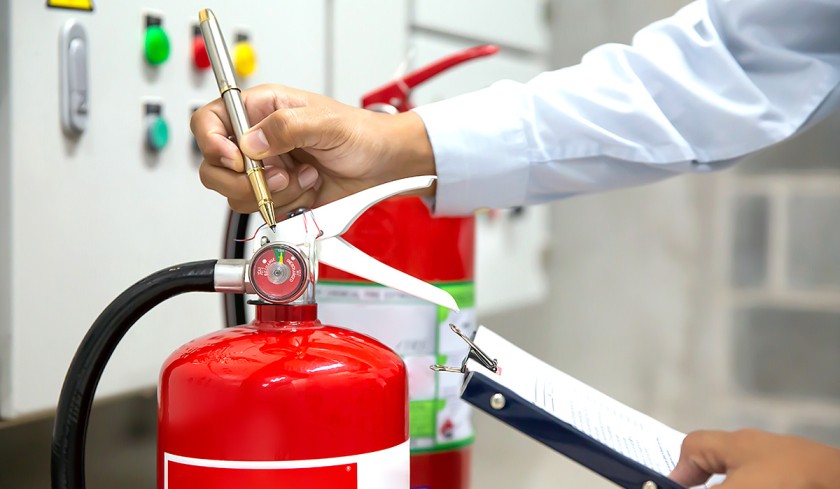
Fire Safety Inspection Qatar – Ensuring Compliance and Safe Operations Fire safety is a legal and operational priority for every organization in Qatar. With strict safety requirements set by the Qatar Civil Defence Department (QCDD), companies must regularly evaluate their facilities to ensure that fire protection systems, emergency routes, and safety procedures meet national standards. A Fire Safety Inspection Qatar plays a vital role in preventing fire incidents, ensuring regulatory compliance, and keeping people and assets safe. Whether you operate a commercial building, industrial facility, warehouse, or construction site, conducting regular fire safety inspections helps you maintain a safe environment and stay fully compliant with local laws. What Is a Fire Safety Inspection Qatar? A Fire Safety Inspection Qatar is a detailed evaluation of a facility’s fire protection measures, detection systems, emergency exits, and overall fire safety readiness. It helps determine whether all fire protection systems are installed, maintained, and functioning as required by QCDD standards. Fire inspectors typically follow international guidelines such as those issued by the National Fire Protection Association (NFPA), a globally recognized authority on fire safety standards.🔗 External Link: https://www.nfpa.org/ These guidelines ensure facilities in Qatar apply best practices in fire prevention and life safety. Why Fire Safety Inspections Are Important in Qatar Conducting a Fire Safety Inspection Qatar is not only a regulatory requirement—it is a proactive approach to preventing fire-related accidents and operational disruptions. Key benefits include: Verification of QCDD compliance Improved workplace safety and reduced fire hazards Early detection of faulty or outdated fire protection systems Proper functioning of fire alarms, extinguishers, and sprinklers Stronger emergency response capabilities Reduced insurance and operational risks Increased confidence during QCDD certification or renewal Regular inspections help organizations maintain safe, compliant, and efficient operations. What Does a Fire Safety Inspection Include? A professional Fire Safety Inspection Qatar typically covers the following areas: 1. Fire Detection and Alarm Systems Inspecting smoke detectors, alarm panels, call points, and communication systems. 2. Firefighting Equipment Checking the condition and placement of: Fire extinguishers Hose reels Hydrants Fire blankets 3. Fire Suppression Systems Ensuring proper functioning of: Automatic sprinklers FM-200 systems CO₂ suppression systems Foam suppression units 4. Emergency Exits & Evacuation Paths Evaluating: Exit signage Obstruction-free escape routes Lighting along evacuation paths Assembly point arrangements 5. Fire Safety Documentation Review of: Maintenance and testing records Emergency plans Fire drill logs QCDD-required documentation 6. Building and Operational Hazards Identifying ignition sources, combustible materials, and any operational risks that need improvement. Who Needs a Fire Safety Inspection Qatar? This service is critical for: Commercial and office buildings High-rise towers Warehouses and logistics centers Oil & gas facilities Manufacturing plants Hotels, restaurants, and malls Hospitals and schools Residential compounds Any facility applying for or renewing QCDD approval must undergo regular inspections. Fire Safety Inspection Services by JAB International Consultancy At JAB International Consultancy, we provide comprehensive Fire Safety Inspection Qatar services tailored to your industry and regulatory needs. Our specialists assess your fire systems, identify compliance gaps, and provide practical recommendations to enhance fire safety. Learn more about our services here:🔗 Internal Link: https://jabconsultancyqatar.com/ Our inspection services include: Complete fire safety inspections Fire protection system evaluation Fire risk assessments QCDD compliance audits Emergency response planning Fire safety training for employees We support facilities in achieving full compliance while maintaining safe and efficient operations. Why Choose JAB International Consultancy? Experienced fire safety and HSE professionals Strong knowledge of QCDD requirements NFPA-aligned audit and inspection methodology Detailed, actionable reporting Fast response and flexible scheduling Support during QCDD certification or renewal Our goal is to ensure your facility remains safe, compliant, and protected at all times. Conclusion A Fire Safety Inspection Qatar is essential for meeting QCDD legal requirements and protecting your workforce, property, and business continuity. With expert support from JAB International Consultancy, your facility can maintain high levels of fire readiness and confidently meet all regulatory expectations.
Fire Safety Consultancy Qatar

Fire Safety Consultancy Qatar – Expert Guidance for Safer and Compliant Workplaces Fire safety is one of the most critical elements of risk management in any organization. With Qatar’s rapid growth in construction, infrastructure, oil and gas, commercial properties, and industrial facilities, the need for professional Fire Safety Consultancy Qatar has significantly increased. Businesses must comply with the fire safety regulations set by the Qatar Civil Defence Department (QCDD) while ensuring maximum protection for people, assets, and operations. A reliable fire safety consultancy provides the technical expertise, auditing capabilities, and compliance support required to maintain safe, well-prepared, and fully compliant facilities. What Is Fire Safety Consultancy Qatar? Fire Safety Consultancy Qatar involves professional guidance and technical assessment services aimed at improving fire prevention, fire protection systems, response planning, and regulatory compliance. Fire safety consultants evaluate a facility’s risks, identify weak areas, design effective control measures, and support organizations in meeting QCDD and international requirements. Many consultancy recommendations align with globally recognized fire safety standards such as those issued by the National Fire Protection Association (NFPA).🔗 External Link: https://www.nfpa.org/ Why Your Business Needs Professional Fire Safety Consultancy in Qatar Fire risks vary greatly depending on the industry, building type, occupancy level, and operational activities. A professional Fire Safety Consultancy Qatar ensures that your organization has a structured approach to fire prevention and emergency preparedness. Key benefits include: Compliance with QCDD Fire Safety Codes Improved fire detection and suppression system performance Minimized downtime and emergencies Enhanced employee safety and awareness Reduced insurance and liability exposure Stronger emergency response planning Expert support during QCDD inspections and audits A dedicated consultancy service ensures that fire safety is not just a requirement—but an integrated part of organizational culture. Core Services Included in Fire Safety Consultancy Qatar 1. Fire Risk Assessments Consultants conduct detailed assessments to identify fire hazards, ignition sources, and high-risk zones. 2. Fire Safety System Evaluation Includes inspecting: Fire alarms Fire extinguishers Sprinkler systems Emergency lighting Hydrant systems Smoke management systems 3. QCDD Compliance Assistance Ensuring documentation, system certifications, and fire safety installations meet QCDD approval requirements. 4. Emergency Response Planning Development or enhancement of: Evacuation procedures Emergency roles and responsibilities Fire warden plans Assembly point arrangements 5. Staff Training & Drills Fire safety consultants also provide customized training to improve staff readiness during emergencies. 6. Fire Safety Audits Regular audits help measure compliance, verify system integrity, and prepare for certification renewals. Who Should Use Fire Safety Consultancy Qatar Services? These services are essential for: Oil & gas facilities Commercial buildings and offices Hotels, malls, and high-rise towers Construction sites Educational institutions Healthcare facilities Factories and warehouses If your facility requires QCDD certification, new installations, or fire safety upgrades, professional consultancy becomes a must. Fire Safety Consultancy by JAB International Consultancy At JAB International Consultancy, we offer comprehensive Fire Safety Consultancy Qatar services tailored to all industry sectors. Our experts help identify risks, improve fire protection measures, and support organizations in achieving full QCDD compliance. Visit our website to explore our full range of HSE and fire safety services:🔗 Internal Link: https://jabconsultancyqatar.com/ Our consultancy solutions include: Fire risk assessments Fire safety audits QCDD compliance consulting Fire emergency response planning Staff fire safety awareness training Fire system inspection and verification We help organizations build safer workplaces with reliable fire safety strategies and expert guidance. Benefits of Choosing JAB International Consultancy Certified fire safety consultants Strong understanding of QCDD regulations NFPA-aligned consultancy methodology Detailed and practical recommendations Comprehensive reporting Support during inspections and certification Our goal is to provide clients with peace of mind, operational continuity, and a safer working environment. Conclusion A professional Fire Safety Consultancy Qatar ensures that your organization is not only compliant but also well-prepared to prevent, detect, and respond to fire incidents. Partnering with experienced consultants like JAB International Consultancy helps you minimize fire risks, strengthen safety culture, and meet regulatory expectations with confidence.