Fire Risk Assessment Qatar
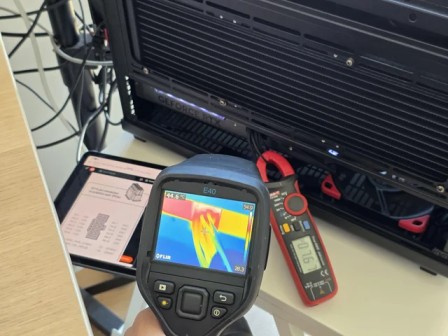
Fire Risk Assessment Qatar – Protecting People, Property & Business Continuity Fire hazards exist in every workplace, but the level of risk varies depending on operations, building layout, equipment, and environmental factors. A Fire Risk Assessment Qatar helps organizations identify these hazards, evaluate their likelihood, and implement effective control measures that reduce fire-related incidents. As Qatar continues to witness rapid industrial and commercial development, the importance of conducting thorough and regular fire risk assessments has never been greater. A well-executed assessment not only enhances fire safety but also ensures compliance with the Qatar Civil Defence Department (QCDD) requirements and international safety standards. What Is a Fire Risk Assessment Qatar? A Fire Risk Assessment Qatar is a systematic process used to identify fire hazards, evaluate risks to people and property, and determine whether current fire protection and prevention measures are adequate. It also ensures that businesses comply with mandatory QCDD regulations. This assessment reviews ignition sources, fuel loads, emergency routes, fire protection systems, and the overall fire safety management plan of a facility. Many organizations also reference international standards, such as those established by the National Fire Protection Association (NFPA), which sets guidelines for fire prevention and life safety.🔗 External Link: https://www.nfpa.org/ Why Fire Risk Assessment Is Essential in Qatar Conducting a comprehensive Fire Risk Assessment Qatar is critical for any organization seeking safer operations, regulatory compliance, and improved emergency readiness. Key benefits include: Reduced risk of fire-related incidents Compliance with QCDD standards Improved safety for employees, visitors, and contractors Identification of gaps in fire protection systems Better emergency preparedness and evacuation planning Lower insurance and liability exposure Enhanced confidence during QCDD inspections Regular fire risk assessments demonstrate a strong safety culture and responsible business practice. Key Components of a Fire Risk Assessment Qatar A professional fire risk assessment includes the following essential steps: 1. Hazard Identification Identification of fire hazards such as: Electrical faults Combustible materials Hot work processes Flammable chemicals Overloaded circuits Poor housekeeping 2. Risk Evaluation Assessing the likelihood of a fire starting and the potential consequences, including impact on people, assets, and operations. 3. Review of Fire Protection Systems Assessment of: Fire alarms Smoke detectors Sprinkler systems Fire extinguishers Hose reels and hydrants Emergency lighting 4. Inspection of Escape Routes Verification of: Clearly marked exits Unobstructed escape paths Accessible assembly points Emergency signage visibility 5. Review of Documentation Checking essential fire safety documents such as: Equipment maintenance records Fire drill reports Emergency response procedures QCDD compliance documents 6. Recommendations & Corrective Measures Providing detailed and practical suggestions to improve safety and meet regulatory requirements. Who Needs a Fire Risk Assessment in Qatar? A Fire Risk Assessment Qatar is required for many facilities, including: Offices and commercial buildings Oil & gas and industrial plants Construction sites Warehouses and logistics hubs Hotels, hospitals, and schools Retail stores and shopping malls Residential towers and residential compounds Any facility seeking QCDD approval, renewal, or operational certification must conduct regular fire risk assessments. Fire Risk Assessment Services by JAB International Consultancy At JAB International Consultancy, we deliver expert Fire Risk Assessment Qatar services designed to help businesses comply with QCDD standards and reduce fire risks effectively. Our certified HSE professionals assess your facility, identify high-risk zones, and provide actionable recommendations. Learn more about our safety and compliance services on our website:🔗 Internal Link: https://jabconsultancyqatar.com/ Our services include: Comprehensive fire risk assessment Fire protection system evaluation Emergency response planning Fire safety documentation support QCDD compliance guidance Staff fire safety training Benefits of Choosing JAB International Consultancy Certified and experienced HSE auditors Comprehensive reporting and recommendations NFPA and QCDD-aligned assessments Faster approval during QCDD inspections Improved workplace safety and fire readiness Tailored solutions for all industry sectors A professional Fire Risk Assessment Qatar ensures your facility remains safe, compliant, and operational without disruption. Conclusion Fire safety is a critical responsibility for every organization in Qatar. A Fire Risk Assessment Qatar helps businesses understand their vulnerabilities, strengthen fire protection measures, and ensure compliance with QCDD fire safety regulations. With expert support from JAB International Consultancy, companies can protect their workforce, assets, and operations with confidence.
Fire Safety Audit Qatar

Fire Safety Audit Qatar – Ensuring Compliance & Protection for Your Facility Maintaining a safe workplace and complying with local fire regulations is essential for every organization in the country. A Fire Safety Audit Qatar helps businesses understand their fire risks, evaluate existing fire protection systems, and ensure their operations meet the strict requirements of the Qatar Civil Defence Department (QCDD). As Qatar continues to expand its industrial and commercial sectors, the need for reliable and professional fire safety audits has become more important than ever. What Is a Fire Safety Audit Qatar? A Fire Safety Audit Qatar is a systematic inspection carried out to assess the effectiveness of your fire prevention and emergency response measures. The audit examines fire detection systems, evacuation routes, suppression equipment, fire safety documentation, and compliance with national and international fire safety codes. Many fire safety requirements in Qatar also follow globally recognized standards such as those developed by the National Fire Protection Association (NFPA).🔗 External Link: https://www.nfpa.org/ These standards provide frameworks for fire prevention, fire protection engineering, and emergency readiness. Why Fire Safety Audits Are Critical in Qatar Conducting a Fire Safety Audit Qatar ensures that your facility is protected against potential fire incidents while meeting QCDD guidelines. Key benefits include: Identification of fire hazards and high-risk areas Compliance with QCDD regulations Improved building and occupant safety Reduction in insurance and liability risks Enhanced emergency preparedness Verification that fire equipment operates correctly Fire audits also help organizations prepare for QCDD inspections, certifications, and renewals, preventing costly delays and penalties. Key Elements of a Fire Safety Audit in Qatar 1. Fire Protection System Evaluation A detailed review of: Smoke and heat detectors Fire alarm panels Sprinkler systems Fire extinguishers and hose reels Hydrant systems Emergency lights and exit signage 2. Fire Hazard Identification Identification of ignition sources, combustible materials, electrical issues, and operational hazards that could increase fire risk. 3. Emergency & Evacuation Preparedness Assessment of: Evacuation routes Emergency response plans Assembly points Fire warden readiness 4. Documentation & Compliance Review Verification of: Testing and maintenance logs Fire drill records QCDD compliance documents Equipment certificates 5. Training & Competency Evaluation Ensuring that staff members understand emergency procedures and know how to use firefighting equipment. Who Needs a Fire Safety Audit Qatar? You may require a fire safety audit if your business operates in: Industrial plants and factories Construction and infrastructure projects Warehouses and storage complexes Commercial buildings and office towers Hotels, hospitals, and schools Shopping malls, cinemas, and public facilities Any facility needing QCDD approval or renewal must undergo regular fire safety audits. Fire Safety Audit Services by JAB International Consultancy At JAB International Consultancy, we provide professional Fire Safety Audit Qatar services designed to meet QCDD and NFPA requirements. Our team of experienced HSE specialists evaluates your fire protection systems, identifies gaps, and provides actionable recommendations to improve safety and compliance. Learn more about our safety solutions here:🔗 Internal Link: https://jabconsultancyqatar.com/ Our fire audit services include: Full fire safety inspection and reporting Fire risk assessments Emergency response plan development QCDD compliance guidance Staff fire safety and evacuation training Fire drill planning and execution Benefits of Hiring Professional Fire Safety Auditors Choosing an expert team ensures: Accurate identification of non-compliance issues Faster QCDD certification approval Reduced fire risks and improved system reliability Cost savings through preventive corrections Increased confidence in emergency preparedness A well-conducted Fire Safety Audit Qatar helps safeguard your people, property, and operations. Conclusion Every business in Qatar must prioritize strong fire protection and regulatory compliance. A Fire Safety Audit Qatar is one of the most effective ways to ensure that your facility meets QCDD fire safety requirements while minimizing risks and building a safer environment. With expert support from JAB International Consultancy, you can achieve full compliance, strengthen your fire systems, and operate with greater peace of mind.
Qatar environmental permit noise requirements
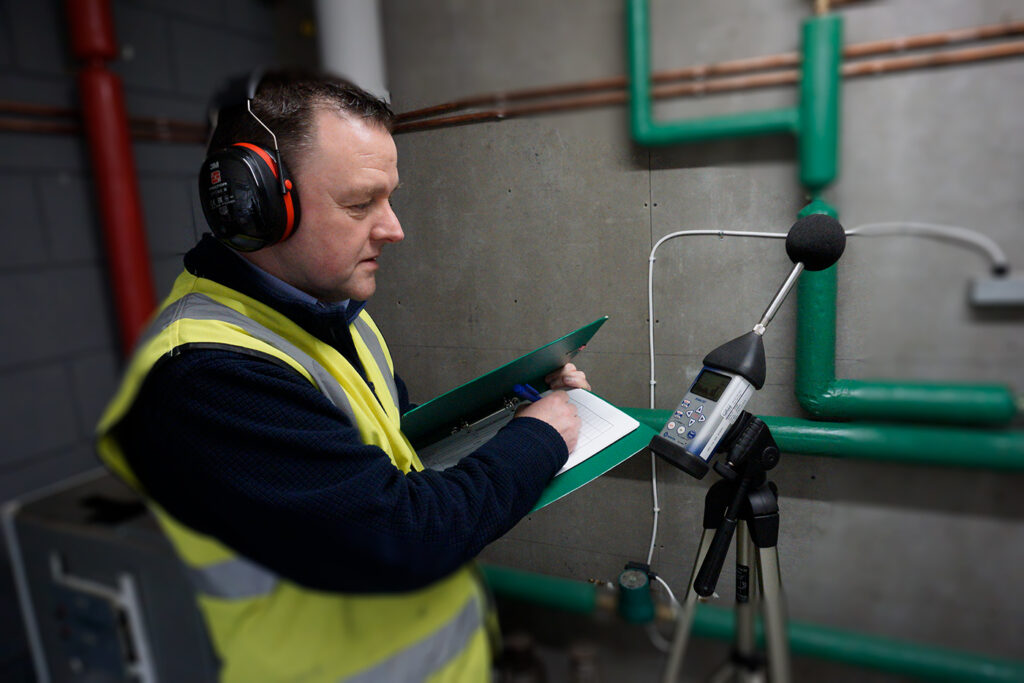
Qatar Environmental Permit Noise Requirements – A Complete Compliance Guide As Qatar continues to expand its industrial and infrastructure projects, environmental regulations play a critical role in protecting community health and sustainability. One of the key elements of environmental compliance is adhering to the Qatar Environmental Permit Noise Requirements established by the Ministry of Environment and Climate Change (MoECC). For any organization undertaking construction, manufacturing, or operational activities, understanding these noise requirements is essential for obtaining and maintaining an environmental permit in Qatar. Understanding Environmental Noise Regulations in Qatar Qatar Environmental Permit Noise Requirements are designed to control and limit noise pollution from various industrial, commercial, and construction sources. These standards aim to ensure that noise emissions do not negatively affect nearby communities, workers, or the natural environment. The MoECC evaluates noise levels during the Environmental Impact Assessment (EIA) process. Applicants must demonstrate that their projects will meet the specified environmental noise criteria before receiving approval. Typical aspects covered under noise permit conditions include: Maximum permissible noise limits for daytime and nighttime operations. Noise level monitoring plans to verify ongoing compliance. Mitigation measures such as acoustic barriers, silencers, or operational controls. Reporting and documentation for environmental audits and inspections. Who Needs to Comply with Qatar’s Noise Requirements? Any organization or project that generates significant noise is required to comply with the environmental permit noise standards. This includes: Construction and infrastructure projects (roads, rail, and buildings). Oil & gas and petrochemical facilities. Power generation and desalination plants. Manufacturing and processing industries. Airports, ports, and transportation hubs. Failure to meet Qatar’s environmental noise permit conditions can result in fines, project delays, or suspension of operations. How JAB International Consultancy Supports Compliance At JAB International Consultancy, we help organizations navigate and comply with Qatar Environmental Permit Noise Requirements through specialized monitoring, assessment, and reporting services. Our expertise includes: Baseline noise surveys prior to EIA submissions. Environmental noise monitoring during project operations. Noise modeling and prediction studies for permit applications. Mitigation strategy design for regulatory compliance. Technical reporting aligned with MoECC and ISO 1996 standards. We ensure that all environmental documentation and evidence meet the necessary standards for successful permit approvals and renewals. For reference, you can also review the World Bank Environmental, Health, and Safety (EHS) Guidelines for Noise Management, which serve as an international benchmark often considered during environmental assessments. Benefits of Meeting Qatar’s Environmental Noise Standards Ensures compliance with MoECC permit requirements Supports faster project approvals and renewals Reduces community noise complaints Demonstrates environmental and corporate responsibility Promotes sustainable and safe working environments Conclusion Meeting Qatar Environmental Permit Noise Requirements is not only a legal obligation but also a commitment to sustainable development and community well-being. At JAB International Consultancy, our team of experienced HSE professionals provides end-to-end support — from baseline surveys and modeling to compliance reporting — ensuring that your projects meet Qatar’s environmental noise regulations efficiently and accurately. By partnering with us, you can operate confidently within Qatar’s regulatory framework while maintaining your environmental and operational integrity.
Noise Survey Qatar
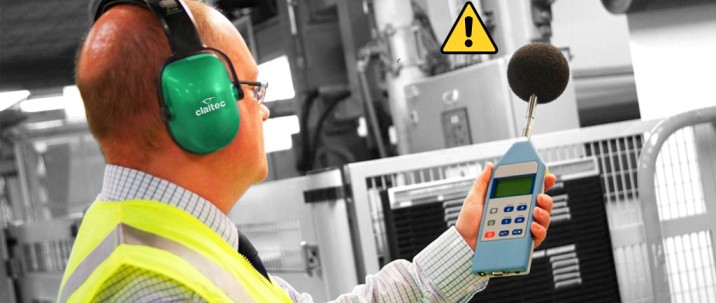
Noise Survey in Qatar – Ensuring a Quieter and Compliant Work Environment With Qatar’s fast-paced industrial, construction, and urban growth, managing noise levels has become a key part of environmental and occupational safety. Conducting a Noise Survey in Qatar helps organizations measure, assess, and control sound exposure in workplaces, public areas, and construction zones — ensuring compliance with both local and international regulations. Excessive noise not only affects worker health but also impacts community well-being and project sustainability. That’s why professional noise surveys are an essential component of any HSE (Health, Safety & Environment) strategy in Qatar. What Is a Noise Survey? A noise survey is a systematic assessment of sound levels within a particular environment. Using calibrated sound level meters and data logging equipment, experts measure sound intensity over time to identify areas of high noise exposure. The goal is to: Determine whether noise levels exceed permissible limits. Identify primary sources of excessive sound. Recommend control measures to minimize risk. Ensure compliance with Qatar’s occupational and environmental noise standards. These surveys can be short-term (spot checks) or long-term (continuous monitoring), depending on the type of activity and regulatory requirements. Importance of Conducting a Noise Survey in Qatar As industries and infrastructure projects expand, Noise Survey Services in Qatar have become a vital compliance tool for: Construction companies – to assess noise from heavy machinery and equipment. Oil & gas and manufacturing facilities – to monitor operational sound levels. Airports and transport projects – to evaluate noise impact on nearby communities. Commercial and residential developers – to ensure comfort and safety of residents. Regular noise surveys also help businesses meet Qatar’s Ministry of Environment and Climate Change (MoECC) guidelines and international standards such as ISO 1996 and OSHA 1910.95 for occupational noise exposure. JAB International Consultancy – Your Trusted Partner for Noise Surveys in Qatar At JAB International Consultancy, we specialize in comprehensive noise survey services in Qatar for industrial, commercial, and construction sectors. Our certified HSE professionals use advanced sound level meters and data analysis tools to deliver accurate, actionable results. Our services include: Workplace noise assessments for hearing conservation programs. Environmental noise surveys for construction and infrastructure projects. Baseline and impact assessments for environmental studies. Detailed noise mapping and reporting for regulatory submissions. We don’t just measure sound — we help you interpret the data and implement effective noise control solutions to protect both workers and the community. For international best practices, visit the World Health Organization (WHO) Environmental Noise Guidelines, which outline health-based noise limits. Benefits of Professional Noise Surveys Compliance with Qatar’s HSE regulations Identification of noise exposure risks Prevention of hearing loss and health issues Support for ISO 45001 and environmental management standards Improved community relations and project approval prospects Conclusion A Noise Survey in Qatar is more than a compliance requirement — it’s a proactive step toward building a safer, healthier, and more sustainable working environment. At JAB International Consultancy, we provide expert noise assessment, monitoring, and reporting services designed to meet your project’s specific needs. Whether for a single worksite or a complex industrial operation, we help ensure your operations remain compliant, efficient, and environmentally responsible.
Noise Mapping Services Qatar

Noise Mapping Services in Qatar – Data-Driven Solutions for Better Sound Management In Qatar’s fast-growing urban and industrial landscape, Noise Mapping Services in Qatar have become essential for understanding and managing environmental noise. As cities expand and infrastructure projects accelerate, accurate noise maps help planners, engineers, and environmental specialists identify high-exposure zones and develop effective control measures. A noise map visually represents how sound propagates across a specific area, enabling organizations to make informed decisions that protect communities and ensure compliance with environmental standards. What Is Noise Mapping? Noise mapping involves collecting, analyzing, and modeling sound data to create a graphical representation of noise levels in an environment. Using advanced acoustic modeling software, these maps highlight areas of excessive sound exposure from traffic, construction, or industrial operations. Noise maps are not only regulatory tools but also strategic planning instruments that help authorities and companies balance development with environmental quality. Why Noise Mapping Matters in Qatar Qatar’s rapid development—particularly in transport, oil & gas, and construction sectors—requires careful management of environmental sound. Noise Mapping Services in Qatar support: Urban Planning: Evaluate existing and future noise exposure zones. Regulatory Compliance: Meet requirements set by the Ministry of Environment and Climate Change (MoECC). Health & Safety: Protect workers and residents from long-term exposure to excessive noise. Sustainable Development: Integrate noise control into infrastructure and community projects. By identifying the exact sources and spread of noise, organizations can focus their mitigation efforts where they’re most effective. How JAB International Consultancy Supports You At JAB International Consultancy, we provide comprehensive noise mapping services tailored to the unique environmental and regulatory context of Qatar. Our team of qualified HSE and industrial hygiene experts uses advanced modeling tools to: Conduct baseline noise surveys using Class 1 sound level meters. Develop 3D noise propagation models for industrial, construction, or urban settings. Simulate noise reduction scenarios for better decision-making. Prepare detailed environmental noise reports aligned with ISO and MoECC standards. We deliver actionable insights that help organizations achieve compliance, minimize community complaints, and promote sustainable sound management practices. For global best-practice guidelines, refer to the European Environment Agency’s Noise Mapping Resources, which provide frameworks widely adopted in international projects. Benefits of Professional Noise Mapping Accurate understanding of current and projected noise levels Enhanced decision-making for design, construction, and operations Reduced risk of non-compliance and penalties Improved community relations through proactive noise management Support for sustainable development and health protection initiatives Conclusion With Qatar’s vision for a sustainable and livable environment, Noise Mapping Services in Qatar play a crucial role in shaping quieter, healthier spaces. At JAB International Consultancy, we combine technical expertise with advanced modeling capabilities to help organizations identify, assess, and control environmental noise effectively. Whether for industrial sites, infrastructure projects, or urban planning, our solutions are designed to meet your regulatory and sustainability goals.
Environmental Noise Monitoring Qatar
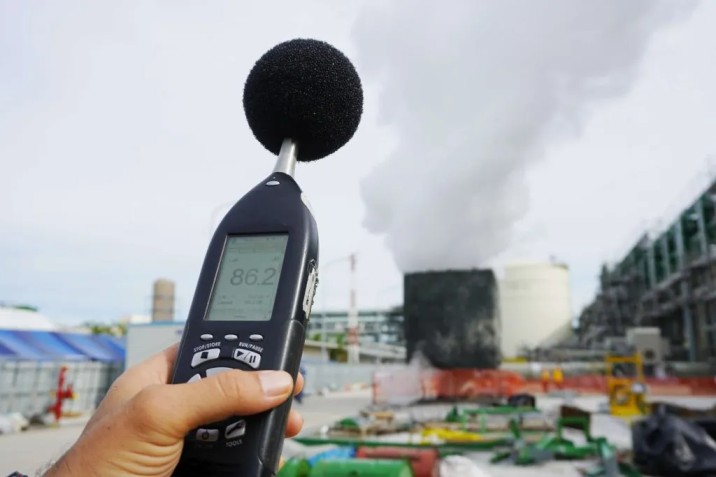
Environmental Noise Monitoring in Qatar – Managing Sound for a Sustainable Future Environmental Noise Monitoring in Qatar is becoming increasingly important as the nation continues its rapid development in construction, infrastructure, and industrial operations. With new residential areas, commercial zones, and transport networks emerging across the country, managing environmental noise is vital to maintain public health, community comfort, and compliance with environmental regulations. Excessive noise not only affects hearing and concentration but also contributes to stress, sleep disturbance, and reduced quality of life. For Qatar’s growing cities and industrial hubs, noise monitoring is an essential part of sustainable urban planning and environmental protection. What Is Environmental Noise Monitoring? Environmental noise monitoring involves the systematic measurement of sound levels in outdoor environments—such as construction sites, industrial zones, residential neighborhoods, and transport corridors. The goal is to: Identify the main sources of noise Measure sound intensity and frequency Evaluate compliance with national and international noise standards Recommend mitigation strategies to reduce noise impact Specialized instruments, such as sound level meters and data loggers, record real-time noise levels over extended periods to provide accurate, evidence-based insights. Why Environmental Noise Monitoring Matters in Qatar As Qatar advances its National Vision 2030, the country aims to balance rapid industrialization with environmental sustainability. Conducting environmental noise monitoring in Qatar supports this vision by helping organizations and developers: Comply with environmental regulations set by Qatar’s Ministry of Environment and Climate Change (MoECC) Assess the impact of construction and industrial activities on nearby communities Prevent noise complaints and maintain good public relations Support sustainable development goals through proactive noise management Enhance corporate social responsibility (CSR) initiatives By measuring and controlling noise levels, organizations can minimize environmental impact while promoting a safer and healthier living environment. Industries and Projects That Require Noise Monitoring Construction and Infrastructure Development – pile driving, demolition, and heavy machinery Oil & Gas and Petrochemical Plants – compressors, turbines, and generators Transport and Airport Operations – aircraft takeoff/landing and traffic noise Manufacturing and Industrial Estates – equipment noise and operational vibrations Urban and Residential Projects – background noise evaluation for new developments Environmental noise assessments are often required as part of Environmental Impact Assessments (EIA) to ensure that new projects meet permissible sound level criteria. How JAB International Consultancy Can Help At JAB International Consultancy, we specialize in environmental noise monitoring services in Qatar, helping clients measure, manage, and control noise emissions effectively. Our qualified environmental and HSE professionals provide: Short-term and long-term environmental noise monitoring Continuous noise data logging and mapping Baseline noise assessments for project planning Compliance evaluation with Qatari and international standards Comprehensive reporting and mitigation recommendations We use advanced Class 1 sound level meters and internationally recognized methods (such as ISO 1996) to ensure accuracy, consistency, and regulatory compliance. For global best practices, visit the World Health Organization (WHO) Guidelines for Environmental Noise. The Benefits of Continuous Environmental Noise Monitoring Protects public health and wellbeing Ensures smooth project approvals during environmental assessments Reduces community complaints through transparent reporting Improves design and planning decisions for future developments Demonstrates environmental responsibility to stakeholders and regulators Whether it’s a large-scale infrastructure project or an industrial operation, consistent environmental noise monitoring is essential to achieving environmental compliance and community harmony. Conclusion Environmental Noise Monitoring in Qatar is more than just a compliance requirement—it’s a commitment to sustainable development, community protection, and environmental stewardship. At JAB International Consultancy, we help organizations across Qatar monitor, manage, and reduce noise pollution through precise data collection, expert analysis, and actionable solutions. Together, we can create quieter, safer, and more livable spaces for future generations.
Noise Monitoring Qatar
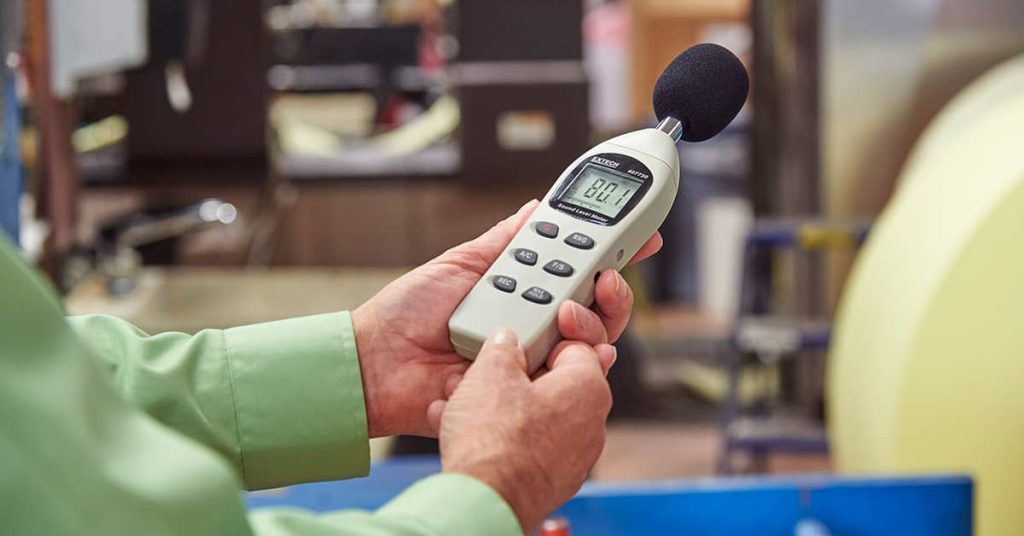
Noise Monitoring in Qatar – Protecting Workers from Harmful Sound Exposure Noise Monitoring in Qatar is one of the most important occupational hygiene practices for industries that operate in high-decibel environments. In construction, oil & gas, manufacturing, and transportation sectors, constant exposure to loud noise can cause hearing loss, fatigue, and reduced productivity. By implementing effective noise monitoring programs, organizations in Qatar can ensure compliance with Qatar Labor Law and international standards such as ISO 9612, OSHA 1910.95, and NIOSH guidelines—creating safer, more sustainable workplaces. What Is Noise Monitoring? Noise monitoring involves the measurement and evaluation of sound levels to determine whether workers are exposed to potentially harmful noise. It includes: Personal Noise Monitoring: Using dosimeters worn by workers to record exposure during a work shift. Area Noise Surveys: Measuring ambient sound levels in different workplace zones. Octave Band Analysis: Identifying specific noise frequencies to design effective control measures. The collected data helps employers develop strategies such as engineering controls, acoustic barriers, and hearing conservation programs. Why Noise Monitoring Is Essential in Qatar Workplace noise is one of the leading causes of occupational hearing loss worldwide. In Qatar, industries with heavy machinery or continuous mechanical operations are particularly at risk. Conducting noise monitoring in Qatar provides key benefits: Protects workers’ hearing and long-term health Ensures compliance with local and international safety standards Prevents fines or penalties for non-compliance Improves worker focus, morale, and communication Supports ISO 45001 and HSE audit requirements Without regular monitoring, excessive noise can go unnoticed, leading to irreversible hearing damage and reduced operational efficiency. Key Industries That Require Noise Monitoring Construction and Infrastructure Projects – heavy equipment and concrete cutting Oil & Gas and Petrochemical Plants – compressors, turbines, and pumps Manufacturing Facilities – mechanical presses, metal fabrication, and assembly lines Airports and Transportation Hubs – aircraft engines and maintenance operations Power Generation and Utilities – turbines, generators, and cooling systems Each of these industries must monitor sound exposure levels and implement a hearing conservation program when limits are exceeded. How JAB International Consultancy Can Help At JAB International Consultancy, we provide comprehensive noise monitoring services in Qatar designed to ensure accurate measurement, compliance, and worker protection. Our services include: Personal and environmental noise exposure assessments Area noise mapping and acoustic surveys Analysis of exposure levels against permissible limits Practical recommendations for control and mitigation Documentation for audits and ISO certification support Our certified team uses advanced, calibrated instruments and follows international procedures to deliver reliable data for risk management and decision-making. For additional reference, explore the NIOSH Sound Level Meter App, a trusted global resource for workplace noise measurement. Creating a Safer, Quieter Workplace By identifying and controlling excessive noise sources, organizations not only safeguard employee health but also improve overall performance and morale. Regular noise monitoring in Qatar demonstrates a strong commitment to corporate responsibility, sustainability, and worker welfare. At JAB International Consultancy, we stand as your trusted partner for professional HSE and Industrial Hygiene services—helping you protect your workforce and comply with safety regulations efficiently.
Workplace Exposure Monitoring Qatar
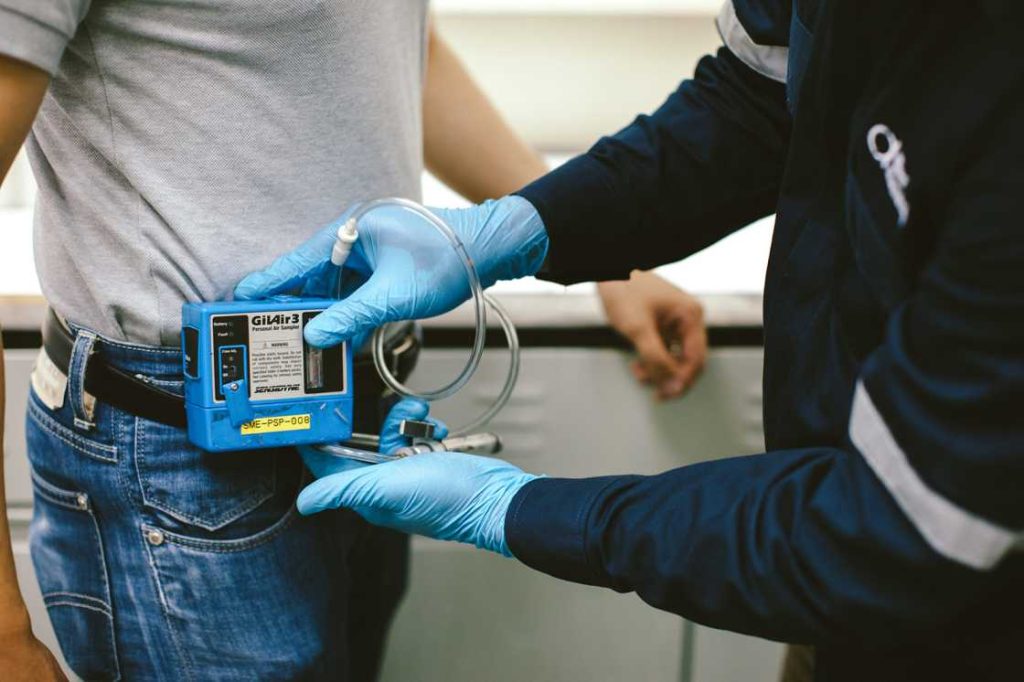
Workplace Exposure Monitoring in Qatar – Safeguarding Employees from Occupational Hazards Workplace Exposure Monitoring in Qatar is a fundamental part of every organization’s health and safety strategy. In high-risk industries such as oil & gas, construction, manufacturing, and logistics, workers are frequently exposed to chemical, physical, and biological hazards that can pose serious health risks if not properly managed. By implementing a structured exposure monitoring program, organizations can identify potential hazards, evaluate exposure levels, and ensure compliance with Qatar’s occupational health and safety regulations — helping to protect both people and business operations. What Is Workplace Exposure Monitoring? Workplace exposure monitoring involves the systematic measurement and assessment of harmful agents in the work environment that employees might inhale, absorb, or come into contact with. These include: Airborne contaminants: dust, fumes, gases, vapors, and mists Physical agents: noise, heat, vibration, and radiation Chemical substances: solvents, acids, hydrocarbons, and heavy metals Monitoring is typically carried out by qualified industrial hygienists using specialized equipment to collect air, surface, or biological samples. The results are then compared to established Occupational Exposure Limits (OELs) defined by organizations such as ACGIH, NIOSH, and OSHA. Why Is Workplace Exposure Monitoring Important in Qatar? Qatar’s industrial expansion and focus on worker welfare make occupational health monitoring essential for sustainable growth. Conducting workplace exposure monitoring in Qatar offers several critical advantages: Protects employee health by identifying hazardous exposure levels early Ensures compliance with Qatar Labor Law and international standards Prevents occupational illnesses like respiratory diseases and hearing loss Improves workplace safety culture and employee confidence Supports ISO 45001 and ISO 14001 certifications Regular monitoring also enables employers to evaluate the effectiveness of control measures such as ventilation systems, PPE usage, and engineering controls. Types of Workplace Exposure Monitoring Airborne Contaminant Sampling – Measures dust, fumes, vapors, and gases present in the air. Noise and Vibration Monitoring – Evaluates worker exposure to harmful sound levels and mechanical vibrations. Heat Stress Assessment – Determines the impact of thermal environments on worker comfort and safety. Chemical Exposure Testing – Identifies risks from solvents, acids, and other hazardous materials. Biological and Surface Sampling – Checks for microbial or chemical residue exposure. Each type of monitoring provides valuable insights into workplace hazards and helps shape more effective health and safety strategies. How JAB International Consultancy Supports You At JAB International Consultancy, we deliver professional workplace exposure monitoring services in Qatar designed to meet the highest international standards. Our certified industrial hygienists utilize advanced sampling instruments and accredited laboratories to ensure accurate and reliable results. Our services include: Personal and area exposure monitoring Air contaminant sampling for dust, gas, mist, and vapors Noise and vibration exposure assessments Heat stress and thermal comfort evaluations Detailed analytical reporting and expert recommendations With our data-driven approach, we help organizations identify exposure risks, implement corrective actions, and maintain full compliance with occupational health requirements. To learn more about international exposure standards, visit the NIOSH Manual of Analytical Methods. Industries That Require Exposure Monitoring Oil & Gas and Petrochemical Facilities – VOCs, H₂S, and noise monitoring Construction and Infrastructure Projects – dust, silica, and heat stress assessments Manufacturing and Welding Operations – fumes, gases, and vibration exposure Laboratories and Chemical Plants – solvent and vapor analysis Transportation and Logistics – diesel exhaust and noise exposure Each industry presents unique challenges, making customized monitoring essential to protect worker health and maintain operational integrity. Conclusion Workplace Exposure Monitoring in Qatar is a proactive measure that not only protects workers but also enhances organizational performance and reputation. By continuously assessing workplace environments, employers can prevent health issues, reduce downtime, and promote a culture of safety and well-being. At JAB International Consultancy, we take pride in being your trusted HSE and Industrial Hygiene support partner, ensuring that every assessment contributes to a safer, healthier, and more compliant workplace.
Air Contaminant Sampling Qatar

Air Contaminant Sampling in Qatar – Ensuring Safe and Healthy Work Environments Air Contaminant Sampling in Qatar is an essential process for protecting workers from harmful airborne substances that may be present in industrial and commercial workplaces. From oil and gas operations to construction and manufacturing sites, employees may be exposed to various air contaminants such as dust, gases, vapors, fumes, and mists. Monitoring these contaminants is critical to ensure worker health, environmental compliance, and sustainable business operations. By conducting regular air contaminant sampling, companies in Qatar can assess workplace exposure levels, control health risks, and comply with both Qatar Labor Law and international occupational hygiene standards. What Is Air Contaminant Sampling? Air contaminant sampling is the process of collecting and analyzing airborne particles, gases, and vapors to determine their concentration in workplace environments. These measurements help identify whether exposure levels exceed permissible limits defined by organizations such as ACGIH, OSHA, and NIOSH. The process can include several types of sampling, such as: Personal Sampling: Measuring an individual worker’s exposure during their shift. Area Sampling: Monitoring air quality in specific work zones or confined spaces. Real-Time Monitoring: Continuous measurement of contaminant levels for immediate assessment. Each sampling method provides valuable data to help organizations develop effective control measures, such as ventilation improvements, PPE selection, and process modifications. Common Air Contaminants in Qatar’s Workplaces Industrial operations in Qatar often involve exposure to multiple types of airborne contaminants. The most common include: Dust and Particulates: From cutting, grinding, and construction activities Fumes: Generated during welding, soldering, or metal fabrication Gases and Vapors: From solvents, fuels, and chemical processes Mists: Produced during spraying, cleaning, or lubrication operations Fibers: From insulation materials, asbestos, or fiberglass Inhaling these substances can lead to respiratory illnesses, skin irritation, or long-term diseases such as asthma and occupational lung disorders. Why Air Contaminant Sampling Is Important in Qatar Conducting air contaminant sampling in Qatar offers several key benefits for organizations: Protects employee health by detecting hazardous substances early Ensures compliance with Qatari and international occupational safety regulations Reduces liability by preventing exposure-related health claims Improves workplace air quality and overall employee well-being Supports ISO 45001 and ISO 14001 certification requirements Accurate sampling data allows companies to make informed decisions and implement targeted control strategies that improve both safety and productivity. How JAB International Consultancy Can Help At JAB International Consultancy, we specialize in professional air contaminant sampling services in Qatar. Our certified industrial hygienists use advanced monitoring instruments and accredited analytical methods to measure workplace air quality accurately. Our comprehensive services include: Personal and area air sampling for gases, vapors, and particulates Dust, mist, and fume exposure assessments Real-time monitoring and detailed reporting Laboratory analysis based on global standards (NIOSH/OSHA) Recommendations for exposure control and regulatory compliance We support clients across multiple industries including oil & gas, manufacturing, construction, and transportation — helping them maintain safe and compliant work environments. To learn more about recognized exposure limits and methods, visit the NIOSH Pocket Guide to Chemical Hazards. Industries That Benefit from Air Contaminant Sampling Oil & Gas and Petrochemical Plants – VOC and gas monitoring Construction and Demolition Sites – dust and silica exposure testing Manufacturing and Welding Workshops – fume and particulate analysis Chemical Plants and Laboratories – vapor and solvent detection Warehousing and Logistics Facilities – CO and exhaust gas evaluation Each of these industries faces unique airborne hazards that require tailored sampling programs to ensure health protection and legal compliance. Conclusion Air Contaminant Sampling in Qatar is a proactive step toward ensuring a safe, compliant, and health-conscious workplace. By identifying and controlling exposure to airborne hazards, companies can safeguard their most valuable asset — their workforce. At JAB International Consultancy, we’re committed to helping industries maintain cleaner air and safer operations through reliable sampling, detailed reporting, and expert guidance.
Mist and Fiber Sampling Qatar

Mist and Fiber Sampling in Qatar – Safeguarding Worker Health in Industrial Environments Mist and Fiber Sampling in Qatar plays a vital role in protecting workers from airborne contaminants that can pose serious health hazards. In industries such as oil & gas, metal fabrication, manufacturing, and construction, exposure to mists and fibers can cause respiratory diseases, skin irritation, and long-term lung disorders. Through professional sampling and monitoring, organizations can identify harmful airborne particles, evaluate workplace exposure, and ensure compliance with Qatar’s occupational health standards and international guidelines. What Is Mist and Fiber Sampling? Mist and fiber sampling is an industrial hygiene process used to detect and measure the concentration of airborne liquid droplets and fibers that workers may inhale during their shifts. Mists are formed when liquids are dispersed into fine droplets — often during processes like metalworking, electroplating, or painting. Fibers are elongated particles released during the handling of materials such as asbestos, insulation, or synthetic fibers. By collecting air samples over specific time periods, industrial hygienists can assess whether exposure levels exceed occupational exposure limits (OELs) defined by organizations such as NIOSH, OSHA, and ACGIH. Common Sources of Mists and Fibers in Qatar’s Industries Qatar’s growing industrial landscape makes mist and fiber exposure monitoring essential. Some common sources include: Metalworking fluids used in machining and cutting operations Spray painting and coating processes that generate fine mist particles Cooling towers and lubrication systems producing oil mists Asbestos-containing materials in older construction or demolition sites Fiberglass, mineral wool, and synthetic fibers used in insulation or manufacturing Without proper controls, workers can inhale or come into contact with these contaminants, leading to health issues such as respiratory irritation, fibrosis, or cancer. Importance of Mist and Fiber Sampling in Qatar Implementing a regular mist and fiber sampling program in Qatar offers several key benefits: Protects worker health by identifying and controlling hazardous exposures Ensures compliance with Qatar’s labor and environmental safety regulations Prevents occupational illnesses such as asthma, pneumonitis, or asbestosis Supports ISO 45001 and ISO 14001 management systems Promotes a safer and more productive workplace Accurate sampling data also allows employers to evaluate the effectiveness of engineering controls, ventilation systems, and personal protective equipment (PPE). How JAB International Consultancy Supports Your Workplace At JAB International Consultancy, we provide comprehensive mist and fiber sampling services in Qatar. Our certified industrial hygienists utilize advanced sampling techniques and analytical methods to detect even trace levels of airborne contaminants. Our services include: Personal and area sampling for mist and fibers Laboratory analysis using recognized international methods Detailed reporting with exposure assessment results Recommendations for engineering and administrative controls Guidance for maintaining regulatory compliance We work closely with industries across Qatar to ensure worker health and environmental standards are consistently met. For reference on fiber sampling methodologies, visit the NIOSH Manual of Analytical Methods (NMAM). Industries That Require Mist and Fiber Sampling Oil & Gas Operations – monitoring oil mist during drilling and refining Construction and Demolition – testing for asbestos fibers and dust Metal Fabrication – assessing mist exposure from metalworking fluids HVAC and Maintenance – checking for airborne fibers in ventilation systems Manufacturing and Chemical Plants – monitoring synthetic fiber release Each of these sectors involves processes that can generate airborne contaminants, making regular sampling crucial to maintaining occupational hygiene. Conclusion Mist and Fiber Sampling in Qatar is essential for any organization committed to ensuring a safe and healthful work environment. Regular monitoring helps identify exposure sources, maintain compliance, and protect workers from potentially life-threatening conditions. At JAB International Consultancy, we combine expertise, technology, and commitment to deliver reliable industrial hygiene monitoring solutions that promote safety and sustainability in every workplace.