Gas and Vapor Sampling Qatar
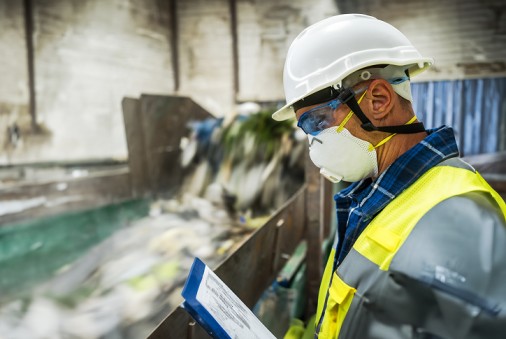
Gas and Vapor Sampling in Qatar – Protecting Workers from Invisible Hazards Gas and Vapor Sampling in Qatar is a vital component of industrial hygiene and occupational health programs. In industries such as oil & gas, petrochemical, manufacturing, and construction, workers are often exposed to hazardous gases and vapors that are invisible but potentially dangerous. These airborne contaminants can cause respiratory illnesses, chemical burns, or long-term organ damage if not properly monitored and controlled. Through professional gas and vapor sampling, organizations can detect harmful concentrations early, evaluate exposure risks, and ensure compliance with both Qatari and international safety regulations. What Is Gas and Vapor Sampling? Gas and vapor sampling involves the collection and analysis of airborne contaminants present in the workplace atmosphere. The goal is to measure the concentration of harmful substances such as volatile organic compounds (VOCs), hydrocarbons, solvents, and other gases emitted from industrial processes. Sampling can be performed using either active or passive methods, depending on the type of contaminant and the work environment: Active Sampling: Uses pumps to draw air through collection media (tubes or filters) at a controlled rate. Passive Sampling: Relies on diffusion, allowing contaminants to naturally migrate to the collection media over time. The collected samples are then analyzed in accredited laboratories to compare results with occupational exposure limits (OELs) set by organizations such as OSHA, ACGIH, and NIOSH. Common Gases and Vapors Monitored Different workplaces in Qatar require monitoring for specific substances depending on their operations. Some of the most frequently sampled gases and vapors include: Volatile Organic Compounds (VOCs) – emitted from paints, coatings, adhesives, and cleaning agents Hydrogen Sulfide (H₂S) – common in oil and gas operations Carbon Monoxide (CO) – produced during combustion processes Ammonia and Chlorine – used in refrigeration and chemical industries Solvents and Hydrocarbons – from petrochemical and paint manufacturing processes Formaldehyde – often found in laboratory and manufacturing environments Each of these contaminants has defined exposure limits, and exceeding them can pose severe health risks for workers. Why Gas and Vapor Sampling Is Important in Qatar As Qatar continues its industrial expansion, maintaining air quality and protecting worker health have become national priorities. Many industrial activities release gases and vapors that are odorless, colorless, and often undetectable without specialized equipment. Conducting gas and vapor sampling in Qatar helps organizations: Identify exposure risks early and take corrective measures Ensure compliance with Qatari occupational health regulations Prevent acute and chronic illnesses caused by toxic exposure Protect worker well-being and improve morale Support environmental sustainability goals through emission monitoring Regular sampling also supports ISO 45001 and ISO 14001 management systems by providing data for continuous improvement in health and environmental performance. How JAB International Consultancy Can Help At JAB International Consultancy, we specialize in providing comprehensive gas and vapor sampling services in Qatar. Our team of qualified industrial hygienists and safety professionals use advanced sampling instruments to ensure accurate, reliable, and compliant results. Our services include: Personal and area air sampling for gases and vapors VOC and hydrocarbon detection using calibrated monitoring equipment Detailed laboratory analysis and comparison with exposure limits Customized reports and control recommendations Support for regulatory inspections and audits We help clients across Qatar ensure that workplace air quality meets both national and international standards for safety and compliance. For global reference on sampling techniques, see the NIOSH Manual of Analytical Methods. Industries That Require Gas and Vapor Sampling Oil & Gas and Petrochemical Plants – monitoring H₂S, VOCs, and hydrocarbons Construction Sites – measuring exhaust fumes and solvent vapors Manufacturing and Fabrication – assessing chemical and coating processes Laboratories and Hospitals – checking anesthetic gases and sterilization chemicals Warehouses and Storage Facilities – testing for refrigerant leaks or confined space gases Each industry faces unique air quality challenges, and tailored sampling programs are essential to maintain safe and compliant working environments. Conclusion Gas and Vapor Sampling in Qatar is a proactive measure to identify invisible workplace hazards before they cause harm. With accurate sampling, timely analysis, and expert guidance, organizations can prevent health risks, enhance worker safety, and maintain full regulatory compliance. At JAB International Consultancy, we’re dedicated to helping businesses achieve cleaner, safer, and healthier work environments through professional air monitoring and risk assessment services.
Air Quality Testing Qatar
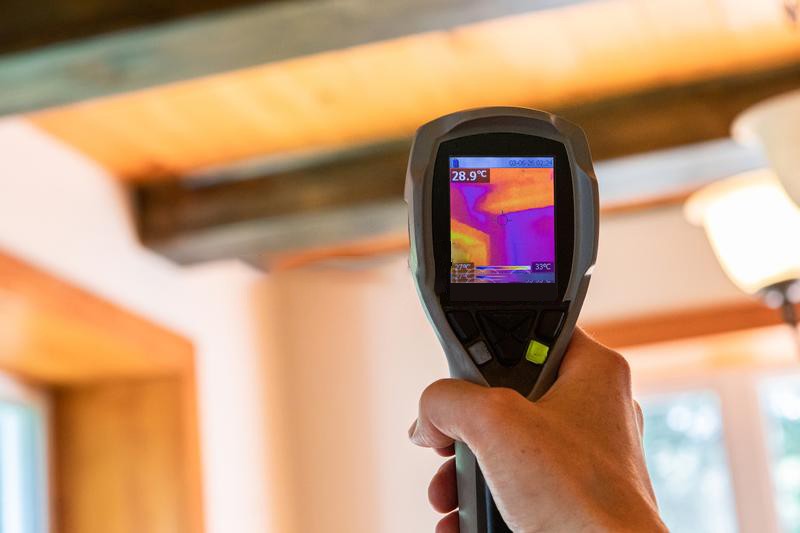
Air Quality Testing in Qatar – Ensuring Cleaner, Safer Work Environments Air Quality Testing in Qatar has become an essential part of maintaining a healthy workplace and community as the country continues to expand industrially and commercially. With rapid urbanization, construction, and industrial development, the need for reliable air testing and monitoring services has never been greater. Poor air quality can lead to respiratory problems, reduced productivity, and long-term health risks for workers and residents alike. At JAB International Consultancy, we provide professional air quality testing and monitoring services that help organizations meet environmental regulations, safeguard employee health, and ensure compliance with Qatar’s HSE and environmental standards. Why Air Quality Testing Is Important in Qatar The air we breathe can contain a variety of contaminants—dust, fumes, gases, and vapors—that may not be visible but can have serious health implications. In Qatar’s high-temperature climate and industrial work zones, airborne pollutants can accumulate quickly, making continuous monitoring crucial. Key reasons why air quality testing matters: Protect Worker Health: Detect harmful levels of dust, carbon monoxide, volatile organic compounds (VOCs), and chemical fumes. Ensure Legal Compliance: Meet Qatar Labor Law and environmental health regulations. Reduce Occupational Risks: Prevent respiratory diseases, allergies, and fatigue among workers. Improve Workplace Productivity: Healthier air promotes better concentration and efficiency. Support Sustainability Goals: Minimize emissions and improve environmental performance. Types of Air Quality Testing Air quality testing can be categorized based on the contaminants present and the environment being evaluated. Common assessments include: 1. Indoor Air Quality Testing Focuses on evaluating pollutants inside buildings, offices, and enclosed workspaces such as: Carbon dioxide (CO₂) and carbon monoxide (CO) Volatile organic compounds (VOCs) Formaldehyde, mold spores, and particulate matter Humidity and ventilation adequacy 2. Workplace Air Quality Testing Used in industrial settings to assess exposure to hazardous materials like: Welding fumes, silica dust, and chemical vapors Solvent emissions and combustion by-products Airborne heavy metals such as lead and cadmium 3. Ambient Air Quality Monitoring This type of testing is conducted outdoors to assess the air around industrial facilities or construction sites, ensuring emissions remain within acceptable environmental limits. Regulatory Standards for Air Quality in Qatar Qatar enforces strict air quality regulations aligned with both local and international standards. Air testing results are typically compared with limits established by: Qatar’s Ministry of Environment and Climate Change (MECC) Occupational Safety and Health Administration (OSHA) World Health Organization (WHO) NIOSH (National Institute for Occupational Safety and Health) Maintaining compliance with these standards helps organizations avoid penalties while demonstrating a commitment to employee welfare and sustainability. For further global guidance, visit World Health Organization – Ambient Air Quality Guidelines. How JAB International Consultancy Supports You At JAB International Consultancy, we provide complete air quality testing services in Qatar tailored to your operational needs. Our qualified HSE and industrial hygiene specialists use calibrated instruments and standardized sampling methods to deliver accurate and actionable results. Our services include: Indoor and outdoor air quality assessments Dust and fume sampling for workplaces VOC and gas detection using advanced analyzers Ventilation performance testing Detailed reporting and control recommendations Whether you need routine air monitoring or a comprehensive air quality management plan, our team ensures your organization meets safety, environmental, and regulatory requirements. Benefits of Professional Air Quality Testing Partnering with experienced consultants ensures that your air quality assessment is both accurate and compliant. Some major benefits include: Early detection of harmful pollutants Improved worker comfort and morale Reduced absenteeism and health-related costs Enhanced corporate reputation and audit readiness Evidence-based decision-making for air control systems Conclusion In a rapidly developing nation like Qatar, air quality testing is no longer optional—it’s a responsibility. Regular testing helps companies protect their people, optimize processes, and comply with national and international environmental regulations. With professional guidance from JAB International Consultancy, you can ensure a healthier, safer, and more compliant working environment—today and for the future.
Dust and Fume Sampling Qatar
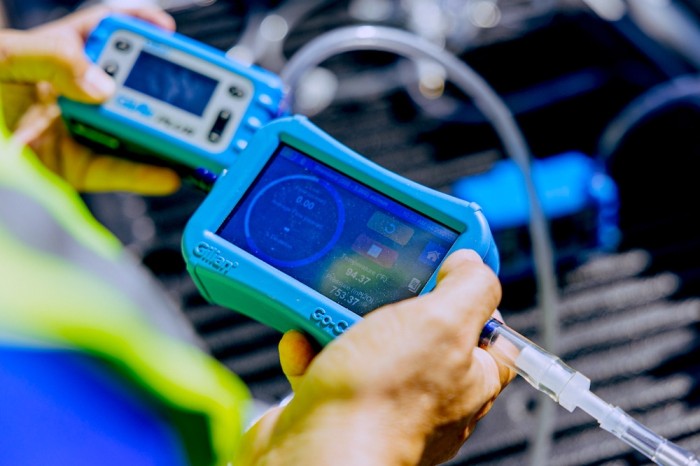
Dust and Fume Sampling in Qatar – Protecting Worker Health and Ensuring Air Quality Compliance Dust and Fume Sampling in Qatar is one of the most critical aspects of industrial hygiene and occupational health management. In workplaces such as oil and gas facilities, construction sites, metal fabrication workshops, and manufacturing plants, employees are often exposed to airborne particles, welding fumes, and chemical vapors that can harm respiratory health. Through accurate sampling and analysis, organizations can determine exposure levels, control risks, and comply with Qatar’s strict occupational safety regulations. By investing in dust and fume monitoring, businesses not only protect their workforce but also demonstrate a strong commitment to sustainable and safe operations. Understanding Dust and Fume Sampling Dust and fume sampling involves collecting air samples from workplaces to evaluate the presence and concentration of airborne contaminants. The process is usually performed using specialized equipment such as personal air samplers, area samplers, and gravimetric filters. The key objectives of this process include: Measuring employee exposure to dust and fumes Identifying hazard sources and high-risk activities Evaluating the effectiveness of ventilation systems Ensuring compliance with Qatar Labor Law and international HSE standards The collected samples are then analyzed in accredited laboratories to determine concentrations of specific contaminants. Results are compared to international exposure limits such as those defined by OSHA (Occupational Safety and Health Administration), ACGIH (American Conference of Governmental Industrial Hygienists), and NIOSH (National Institute for Occupational Safety and Health). Types of Dust and Fume Sampling Workplaces in Qatar vary in processes and environmental conditions, which is why sampling methods are customized to fit each operation. 1. Dust Sampling Dust sampling focuses on detecting particles that can be inhaled or deposited in the lungs. Common types include: Total Dust Sampling – Measures all airborne particles regardless of size. Respirable Dust Sampling – Targets smaller particles (e.g., silica) that penetrate deep into the lungs. Inhalable Dust Sampling – Measures larger particles that may be trapped in the upper airways. 2. Fume Sampling Fume sampling identifies metallic and chemical vapors generated during industrial operations such as: Welding, cutting, or soldering Metal casting or smelting Chemical processing and paint spraying Plastic manufacturing and thermal decomposition Monitoring fumes ensures employees are not overexposed to hazardous metals like lead, cadmium, chromium, or manganese. Why Dust and Fume Sampling Is Important in Qatar As Qatar continues to develop major infrastructure and industrial projects, ensuring worker health has become a national priority. Poor indoor air quality and prolonged exposure to contaminants can cause serious health effects such as: Respiratory illnesses (asthma, bronchitis, pneumoconiosis) Allergic reactions and eye irritation Chronic lung diseases like silicosis Long-term damage to the liver, kidneys, or nervous system due to metal fumes Regular dust and fume sampling in Qatar helps employers: Detect and mitigate potential exposure risks early Meet regulatory compliance with Qatar’s Ministry of Labor and HSE standards Maintain a safe and healthy workplace environment Prevent occupational diseases and compensation claims Improve worker morale and productivity Our Expertise in Dust and Fume Sampling At JAB International Consultancy, we specialize in industrial hygiene and air quality monitoring services across Qatar. Our certified professionals provide accurate and comprehensive dust and fume sampling for a wide range of industries. Our services include: Personal and area air monitoring for dust, fumes, and gases Workplace exposure assessment in line with ACGIH and NIOSH methods Detailed reports with recommendations for corrective actions Control measure guidance such as engineering improvements or PPE upgrades Periodic re-sampling to verify the effectiveness of implemented controls We follow globally recognized procedures to ensure precise, reliable results that help organizations maintain full compliance with local and international safety standards. For reference to international best practices, visit the NIOSH Manual of Analytical Methods. Industries That Require Dust and Fume Sampling in Qatar Oil and Gas Facilities – To monitor gases, fumes, and particulate exposure in maintenance and production areas. Construction and Cement Plants – For silica dust, cement particles, and concrete grinding residues. Metal Fabrication Workshops – For welding fumes and metallic oxides. Manufacturing Plants – For chemical emissions, powders, and solvents. Woodworking and Furniture Units – For sawdust, lacquer, and adhesive fumes. Each industry has unique exposure risks, and our consultants tailor monitoring strategies to suit each environment. Conclusion Conducting regular dust and fume sampling in Qatar is essential for maintaining safe, compliant, and sustainable workplaces. By accurately measuring exposure levels, organizations can make informed decisions to control risks, safeguard employee health, and meet regulatory standards. With professional support from JAB International Consultancy, companies can confidently protect their workforce and ensure cleaner, healthier air across all operations.
HAZID Review and Reporting Qatar

HAZID Review and Reporting in Qatar – Strengthening Project Safety from Start to Finish Effective HAZID Review and Reporting in Qatar ensures that workplace and project risks are identified, assessed, and documented accurately before operations begin. In industries such as oil & gas, construction, and manufacturing, a well-structured HAZID (Hazard Identification) process is essential to prevent incidents, safeguard people, and ensure compliance with local and international safety standards. A HAZID Review is more than a checklist—it’s a detailed evaluation of all potential hazards that may arise during project design, construction, or operation. The HAZID Report, on the other hand, serves as official documentation of the findings, recommendations, and actions required to mitigate risks effectively. What Is HAZID Review and Reporting? A HAZID review is a formal analysis process that helps teams identify potential health, safety, and environmental (HSE) hazards associated with any stage of a project. It involves a multidisciplinary workshop facilitated by experienced safety professionals. The reporting stage compiles all workshop discussions, identified hazards, potential consequences, and proposed control measures into a structured document. This report becomes a key reference point for ongoing project safety management. Typical contents of a HAZID report include: Project overview and objectives Identified hazards and their risk ratings Recommended control or mitigation measures Action plans with assigned responsibilities Summary of workshop participants and methodology Importance of HAZID Review and Reporting in Qatar With Qatar’s rapid industrial and infrastructural growth, maintaining the highest safety standards is crucial. Conducting a thorough HAZID review and reporting process allows organizations to: Identify potential hazards during early project phases Ensure regulatory compliance and certification readiness Strengthen risk management frameworks Improve coordination between design, operations, and HSE teams Document clear action plans for future reference Such reviews also demonstrate due diligence and help organizations meet the expectations of clients, auditors, and safety authorities. Role of Experts in HAZID Review Professional facilitators play a vital role in ensuring that every relevant hazard is identified and evaluated properly. Their technical expertise ensures that the report provides accurate, actionable, and compliant safety insights. At JAB International Consultancy, our specialists conduct HAZID Review and Reporting in Qatar following international best practices. We assist organizations in preparing comprehensive documentation, improving their safety culture, and ensuring compliance with both local regulations and global standards. For international standards, visit Energy Institute – Hazard Identification Guidelines. Why Choose JAB International Consultancy? At JAB International Consultancy, we offer end-to-end support for HAZID reviews and reporting—from workshop facilitation to final documentation. Our certified HSE consultants combine technical insight with practical experience to deliver accurate, reliable, and compliant reports that meet client and regulatory expectations. Conclusion A structured HAZID Review and Reporting process in Qatar is essential for proactive risk management and operational safety. By engaging professional facilitators and ensuring accurate documentation, organizations can enhance their safety systems, reduce risks, and protect their workforce and assets effectively.
HAZID Workshop Facilitation Qatar

HAZID Workshop Facilitation in Qatar – Identifying Hazards Before They Occur HAZID Workshop Facilitation in Qatar plays a crucial role in ensuring that potential hazards in projects and operations are identified early—before they lead to costly incidents. As Qatar continues to expand in industries like oil & gas, construction, and infrastructure, effective hazard identification workshops have become an essential part of project safety planning. A HAZID (Hazard Identification) workshop is a proactive method used during the design or planning phase to uncover risks that could affect people, the environment, or assets. By bringing together engineers, HSE professionals, and project stakeholders, organizations can anticipate potential hazards and implement preventive measures well before execution. What Is a HAZID Workshop? A HAZID workshop is a structured brainstorming session guided by an experienced facilitator. The goal is to analyze each stage of a project or process to detect hazards and evaluate their potential impact. Key elements typically covered include: Reviewing project design and operations Identifying health, safety, and environmental risks Evaluating likelihood and severity of potential events Recommending risk control measures Documenting findings for ongoing project safety Such workshops form the foundation for safer design and compliance with Qatari and international safety regulations. Why Conduct a HAZID Workshop in Qatar? In Qatar’s high-risk industries, early risk identification is vital to achieving incident-free operations. A professionally facilitated HAZID workshop helps organizations: Identify hazards during the concept and design stages Ensure regulatory compliance with local and international standards Minimize project delays and operational disruptions Improve communication among multidisciplinary teams Establish a clear record of risk assessments and control measures Role of a HAZID Workshop Facilitator The facilitator plays a key role in ensuring the workshop runs efficiently. An experienced facilitator guides discussions, maintains focus, and ensures that all relevant risks are captured and assessed. Facilitators are typically trained HSE professionals with technical knowledge of the specific industry and processes involved. At JAB International Consultancy, our experts are skilled in HAZID workshop facilitation in Qatar, helping clients across industries to systematically assess hazards, document findings, and implement preventive solutions effectively. Learn more about international HAZID methodologies from the Energy Institute’s HAZID Guidelines. Why Choose JAB International Consultancy? At JAB International Consultancy, we provide structured HAZID workshop facilitation services in Qatar tailored to project-specific needs. Our multidisciplinary team ensures comprehensive risk identification, regulatory compliance, and smooth project execution. Whether it’s for design verification, operational reviews, or new project developments, we help you identify and control risks proactively. Conclusion Conducting a HAZID Workshop in Qatar is one of the most effective ways to strengthen project safety from the start. With expert facilitation, your team can identify hazards early, enhance collaboration, and ensure that safety remains central to every decision made throughout the project lifecycle.
HSE Courses Qatar

HSE Courses in Qatar – Advancing Workplace Safety and Skills HSE Courses in Qatar are designed to help organizations improve workplace safety, ensure compliance with regulations, and empower employees with essential health and safety skills. With Qatar’s workforce spread across high-risk industries like construction, oil & gas, and manufacturing, structured safety courses are no longer optional — they are vital for building safer workplaces and protecting employees. What Are HSE Courses? HSE (Health, Safety, and Environment) courses provide formal training on occupational safety and environmental management. Unlike one-time awareness sessions, courses are structured, certified, and often follow international safety standards. Common HSE courses in Qatar include: NEBOSH Courses – globally recognized safety certifications IOSH Managing Safely – practical safety management for supervisors and managers First Aid & Emergency Response – life-saving skills for workplace incidents Fire Safety & Fire Warden Training – prevention and emergency planning Risk Assessment and Hazard Control – systematic approach to workplace hazards Environmental Management – sustainability and compliance with environmental standards These programs are tailored for workers, supervisors, and management professionals who need to strengthen their safety knowledge. Why Should Companies Invest in HSE Courses in Qatar? Qatar enforces strict occupational health and safety standards, and businesses must ensure their employees are competent in safety practices. By enrolling staff in certified HSE courses, companies can: Comply with legal requirements and avoid penalties Reduce workplace accidents and illnesses through proactive knowledge Enhance employee confidence and performance Improve corporate reputation by demonstrating a commitment to safety Boost productivity by reducing downtime from injuries and unsafe practices Industries That Rely on HSE Courses Oil & Gas – offshore survival training, confined space safety, hazardous substance handling Construction – scaffolding, working at heights, and equipment safety Manufacturing – chemical safety, ergonomics, and noise control Logistics & Transport – driver safety, manual handling, and warehouse safety Facilities Management – fire prevention, welfare, and emergency preparedness Why Choose JAB International Consultancy? At JAB International Consultancy, we deliver certified HSE courses in Qatar tailored to your industry’s needs. Our programs are led by experienced trainers and designed to meet both local and international safety standards. Whether you need entry-level awareness or advanced professional qualifications, we ensure your workforce gains the knowledge and skills to work safely and confidently. For global safety standards, see the NEBOSH International Certificates. Conclusion Investing in HSE courses in Qatar is a strategic step for companies that want to protect employees, ensure compliance, and foster a strong safety culture. With the right training partner, businesses can build safer workplaces, reduce risks, and secure long-term success.
HSE Training Qatar

HSE Training in Qatar – Building Safer Workplaces HSE Training in Qatar is a critical investment for businesses that want to ensure workplace safety, meet compliance requirements, and protect their most valuable asset — their people. As Qatar continues to grow across industries like oil & gas, construction, manufacturing, and logistics, organizations face increasing pressure to maintain the highest health, safety, and environmental standards. By providing employees with the right HSE training, companies can significantly reduce accidents, improve awareness, and strengthen their safety culture. What Is HSE Training? Health, Safety, and Environment (HSE) training equips employees with the knowledge and skills they need to recognize hazards, minimize risks, and respond appropriately in emergency situations. It is not just about compliance — it’s about building confidence and responsibility at all levels of an organization. A comprehensive HSE training program may include: Basic Safety Awareness – understanding hazards, PPE use, and safe working practices. Fire Safety & Emergency Response – evacuation procedures, fire extinguisher use, and emergency drills. First Aid Training – life-saving skills to handle workplace injuries and health emergencies. Risk Assessment Training – identifying hazards, evaluating risks, and implementing controls. Environmental Protection – sustainability practices and compliance with environmental laws. By covering these areas, companies ensure their teams are equipped to create and maintain a safe workplace. Why Is HSE Training Important in Qatar? Qatar enforces strict safety regulations to ensure workers are protected and workplaces are compliant. Organizations that neglect proper training not only put their employees at risk but also face penalties, downtime, and reputational damage. Key benefits of HSE training in Qatar include: ✅ Fewer workplace accidents – trained employees can identify hazards early and prevent incidents. ✅ Improved compliance – businesses meet Qatar Labor Law and international safety standards. ✅ Greater productivity – safe workplaces reduce downtime, medical costs, and compensation claims. ✅ Stronger employee morale – workers feel valued when their health and safety are prioritized. ✅ Enhanced corporate reputation – safety-conscious companies are trusted by clients and partners. Industries That Rely on HSE Training HSE training applies to all industries but is particularly crucial for high-risk sectors in Qatar: Oil & Gas – offshore and onshore operations, confined space entry, chemical handling. Construction – scaffolding safety, working at heights, equipment handling, and site hazards. Manufacturing – machine safety, hazardous substances, ergonomics, and noise exposure. Logistics & Transport – fleet safety, manual handling, and driver fatigue management. Facilities & Services – fire safety, waste management, and emergency planning. Every sector benefits when employees are trained to prioritize safety. Why Choose JAB International Consultancy? At JAB International Consultancy, we specialize in delivering HSE training in Qatar that is practical, industry-focused, and results-driven. Our certified trainers use real-world examples, hands-on sessions, and internationally recognized frameworks to ensure participants gain skills that make a difference in their daily work. We offer tailored programs for businesses of all sizes — whether you need entry-level safety awareness courses or advanced leadership training for managers. With JAB Consultancy, you can be confident that your workforce is prepared, protected, and compliant. For global benchmarks in workplace safety training, you can also explore IOSH Training Programs. Conclusion Investing in HSE training in Qatar is more than just a compliance requirement — it’s a proactive step toward building a safe, resilient, and productive workplace. By equipping employees with the right knowledge and skills, companies can reduce risks, protect their people, and secure long-term business success. Partnering with certified consultants ensures that training is tailored, effective, and aligned with Qatar’s industry standards.
Coaching and Mentoring Qatar

Coaching and Mentoring in Qatar – Developing Skills and Leadership Coaching and Mentoring in Qatar are becoming essential for organizations that want to build stronger leaders, enhance employee performance, and support professional growth. As businesses in Qatar continue to expand in industries like oil & gas, construction, education, and finance, the need for structured development programs has grown. With expert coaching and mentoring, companies can empower individuals to achieve their full potential while strengthening workplace culture. What Is Coaching and Mentoring? Coaching focuses on improving performance by setting goals, addressing challenges, and building new skills. It is usually short-term and results-driven. Mentoring provides long-term guidance where experienced professionals share knowledge, insights, and advice to help individuals grow in their careers. Both approaches complement each other and create a strong foundation for professional and personal development. Benefits of Coaching and Mentoring in Qatar Organizations that invest in coaching and mentoring programs gain: Improved leadership and decision-making skills Higher employee motivation and engagement Faster career development and succession planning Better problem-solving and innovation Stronger workplace collaboration and communication For employees, coaching and mentoring build confidence, improve performance, and open pathways to long-term career success. Industries Benefiting from Coaching and Mentoring Corporate sector – leadership training and executive coaching Education – teacher mentoring and academic development Healthcare – skill building and continuous improvement programs Oil & Gas – knowledge transfer and technical mentoring Entrepreneurship – business coaching for startups and SMEs Why Choose JAB International Consultancy? At JAB International Consultancy, we provide professional coaching and mentoring services in Qatar tailored to individuals and organizations. Our programs are designed to support career growth, enhance workplace performance, and prepare future leaders with the right mindset and skills. For global perspectives on coaching, visit the International Coaching Federation (ICF). Conclusion Investing in coaching and mentoring in Qatar is a powerful way for organizations to build future-ready leaders and motivated employees. With the right guidance, individuals can grow their skills, boost confidence, and contribute to long-term business success.
HSE Courses in Qatar
HSE Courses in Qatar – Learn Workplace Safety Skills If you’re looking to enhance your career or improve workplace safety standards, enrolling in HSE courses in Qatar is one of the best steps you can take. These courses provide essential knowledge in Health, Safety & Environment (HSE) management, ensuring compliance with local laws and international standards. Why Take HSE Courses in Qatar? Qatar’s growing industries — from construction to oil & gas — require trained professionals who can manage risks and protect employees. Taking HSE courses in Qatar helps: Build a safer, more productive workplace Comply with Qatar Labor Law and global HSE standards Reduce accidents, injuries, and costly downtime Enhance your professional qualifications and career prospects Popular HSE Courses in Qatar When choosing an HSE program, look for certified and internationally recognized courses, such as: Basic Safety Induction – for new employees and contractors First Aid & CPR – life-saving skills for emergencies Fire Safety Training – fire prevention and evacuation procedures Risk Assessment & Hazard Identification – key to reducing incidents Occupational Health & Industrial Hygiene – protecting long-term worker health Advanced HSE Management Courses – ideal for supervisors and safety officers Where to Take HSE Courses in Qatar Partnering with a trusted training provider ensures your courses meet local and international compliance standards. JAB International Consultancy offers BOHS-accredited and customized HSE training programs tailored for businesses of all sizes in Qatar. Benefits of HSE Certification Completing HSE courses in Qatar can: Improve employee awareness and teamwork Reduce workplace hazards and liabilities Boost your resume and job opportunities in safety roles Demonstrate your company’s commitment to worker welfare According to the International Labour Organization, effective safety training is one of the most powerful tools for preventing occupational accidents worldwide. Final Thoughts Whether you are an individual looking to advance your career or a company aiming to improve safety standards, HSE courses in Qatar are an investment in people and performance. Enroll in a certified course today and create a safer, healthier workplace.
HSE Training in Qatar
HSE Training in Qatar – Build a Safer Workplace A strong workplace safety culture starts with proper HSE training in Qatar. Whether you operate in construction, oil & gas, manufacturing, or any other industry, HSE (Health, Safety & Environment) training helps reduce risks, prevent accidents, and comply with local regulations. Why HSE Training Matters in Qatar Qatar’s workforce is diverse and often exposed to high-risk environments. Proper HSE training ensures: Compliance with local and international safety standards Reduced workplace incidents and downtime Better employee awareness of hazards and safe practices Improved productivity through a safer, more organized work environment Types of HSE Training in Qatar Businesses can choose from a range of HSE training programs based on their operations: Basic Safety Induction – ideal for new employees Fire Safety & Emergency Response – fire prevention and evacuation procedures First Aid Training – immediate response to injuries or health incidents Workplace Risk Assessment – hazard identification and mitigation Specialized Industrial Safety Training – for construction, oil & gas, and manufacturing sectors Professional HSE Training Providers in Qatar Working with a certified training provider ensures your team receives up-to-date and compliant training. At JAB International Consultancy, we provide tailored HSE training programs for organizations across Qatar, helping businesses meet safety compliance requirements and protect their workforce. Benefits of HSE Training for Businesses Lower risk of accidents and penalties Increased employee morale and trust Stronger compliance with Qatar Labor Law and international standards Enhanced company reputation as a safe and responsible employer According to the International Labour Organization (ILO), proper training and a safety-first culture significantly reduce workplace injuries worldwide. Final Thoughts Investing in HSE training in Qatar is not just about compliance — it’s about protecting lives and building a culture of safety. Whether you need basic inductions, fire safety, or specialized training for high-risk industries, professional programs will help keep your workforce safe and your business running smoothly.