Chemical Exposure Monitoring in Qatar
In many workplaces, chemical risks are not always visible. Workers may be exposed to vapors, dust, fumes, or gases without realizing the long-term impact. This is where Chemical Exposure Monitoring in Qatar becomes essential.
Monitoring doesn’t rely on assumptions — it provides real data about what workers are actually exposed to during their daily tasks. That data is what allows organizations to take the right actions to protect health.
What Chemical Exposure Monitoring Involves
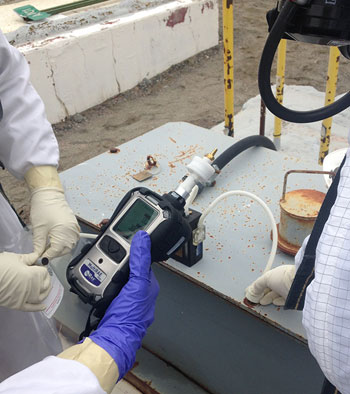
Chemical exposure monitoring is the process of measuring the concentration of hazardous substances in the workplace and evaluating how much workers are exposed to over time.
In practical terms, it includes:
- Air sampling for gases, vapors, dust, and fumes
- Personal exposure monitoring for workers
- Area monitoring in work zones
- Comparison with occupational exposure limits (OELs)
- Identification of high-risk tasks or processes
- Reporting results with clear recommendations
The aim is to understand exposure levels and ensure they remain within safe limits.
Why Chemical Exposure Monitoring Is Important in Qatar
Across industries in Qatar, chemicals are widely used in operations. Without proper monitoring, exposure risks can go unnoticed until they affect worker health or trigger compliance issues.
Organizations carry out exposure monitoring to:
- Protect workers from harmful chemical exposure
- Verify effectiveness of existing control measures
- Meet occupational health and safety requirements
- Support audits and regulatory inspections
- Identify areas where improvements are needed
It turns chemical safety from guesswork into measurable control.
Where Chemical Exposure Risks Are Found
Chemical exposure can occur in many routine activities, including:
- Painting and coating operations
- Cleaning and maintenance work
- Fuel handling and storage
- Laboratory and testing environments
- Manufacturing and industrial processes
Even low-level exposure, if repeated over time, can lead to serious health concerns.
Standards and Best Practices
Chemical exposure monitoring follows internationally recognized occupational hygiene practices. Many organizations align their monitoring programs with guidance from the International Labour Organization (ILO), which promotes worker health protection and safe exposure limits.
🔗 External Link: https://www.ilo.org/
Using recognized standards ensures monitoring results are accurate and reliable.
Chemical Exposure Monitoring by JAB International Consultancy
At JAB International Consultancy, we provide Chemical Exposure Monitoring Services in Qatar with a strong focus on real workplace conditions. We measure actual exposure levels and provide clear, practical recommendations.
Our services include:
- Personal and area air sampling
- Monitoring of gases, vapors, dust, and fumes
- Exposure assessment against OELs
- Identification of high-risk tasks
- Detailed reports with control recommendations
Learn more about our services here:
🔗 Internal Link: https://jabconsultancyqatar.com/
Benefits of Chemical Exposure Monitoring
Organizations that implement proper monitoring benefit by:
- Detecting exposure risks early
- Protecting workers from long-term health effects
- Improving workplace safety controls
- Strengthening compliance with safety standards
- Building confidence during audits and inspections
It provides clarity on risks that are otherwise invisible.
Final Thoughts
Chemical Exposure Monitoring in Qatar is a key part of effective occupational health management. By measuring real exposure levels and identifying risks, organizations can take informed action to protect their workforce. JAB International Consultancy provides reliable monitoring services that deliver accurate data and practical solutions for safer workplaces.