Chemical Risk Management in Qatar
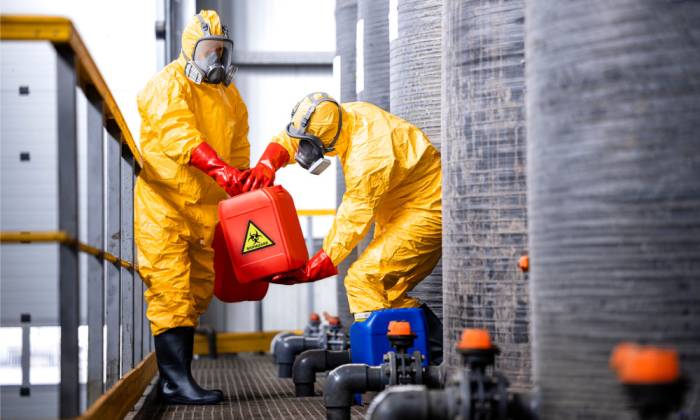
Managing chemicals safely isn’t just about knowing what substances are on site — it’s about understanding the risks they create and controlling them in day-to-day operations. That’s exactly what Chemical Risk Management in Qatar is about.
In many workplaces, chemicals are handled routinely. The problem is that risks often build quietly — through repeated exposure, poor storage, or weak procedures. Without proper management, these risks can lead to health issues, incidents, or compliance problems.
What Chemical Risk Management Involves
Chemical risk management goes beyond simple hazard identification. It’s a structured approach to controlling risks throughout the entire lifecycle of chemical use.
In practice, it includes:
- Identifying all hazardous substances in use
- Assessing exposure risks during tasks
- Reviewing storage, labeling, and segregation
- Implementing control measures (engineering, administrative, PPE)
- Monitoring exposure levels where necessary
- Ensuring proper handling and disposal procedures
- Preparing for emergencies such as spills or leaks
The goal is to reduce risk to a level that is acceptable and controlled.
Why Chemical Risk Management Is Important in Qatar
Industries across Qatar — including construction, oil & gas, manufacturing, and laboratories — rely heavily on chemicals. Without structured risk management, even common substances can become serious hazards.
Organizations implement chemical risk management to:
- Protect workers from short- and long-term health effects
- Comply with safety and environmental regulations
- Improve workplace safety performance
- Reduce incidents related to chemical handling
- Strengthen overall HSE systems
Effective management ensures chemicals are handled safely from delivery to disposal.
Where Chemical Risks Commonly Arise
Chemical risks are not limited to high-risk industries. They are present in many routine activities, such as:
- Cleaning and maintenance operations
- Painting, coating, and surface preparation
- Fuel storage and transfer
- Laboratory testing and analysis
- Industrial processing and manufacturing
Often, the risk depends more on how chemicals are used than the chemicals themselves.
Standards and Best Practices
Chemical risk management is typically aligned with internationally recognized occupational health principles. Many organizations follow guidance from the International Labour Organization (ILO), which promotes safe handling of hazardous substances and effective workplace risk control.
🔗 External Link: https://www.ilo.org/
Applying these principles ensures consistency, compliance, and worker protection.
Chemical Risk Management by JAB International Consultancy
At JAB International Consultancy, we provide Chemical Risk Management Services in Qatar with a practical, site-focused approach. We assess real working conditions and recommend controls that can actually be implemented.
Our services include:
- Chemical hazard identification and risk assessment
- Review of storage, labeling, and handling practices
- Exposure monitoring and evaluation
- Development of control strategies
- Emergency preparedness planning
- Training and awareness support
Learn more about our services here:
🔗 Internal Link: https://jabconsultancyqatar.com/
Benefits of Effective Chemical Risk Management
Organizations that manage chemical risks properly often see:
- Reduced exposure-related health issues
- Improved compliance with regulations
- Better control over workplace hazards
- Increased worker confidence and awareness
- Stronger audit and inspection outcomes
It turns chemical safety into a structured and manageable process.
Final Thoughts
Chemical Risk Management in Qatar is essential for any organization working with hazardous substances. By identifying risks, implementing controls, and maintaining safe practices, companies can protect their workforce and operate more responsibly. JAB International Consultancy provides chemical risk management solutions that are practical, compliant, and aligned with real operational needs.