Chemical Safety Audits Qatar
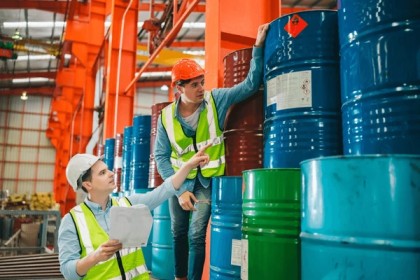
Chemical Safety Audits in Qatar In workplaces where chemicals are used daily, small gaps in handling or storage can quickly turn into serious risks. That’s why Chemical Safety Audits in Qatar are an important part of maintaining a safe and compliant work environment. A chemical safety audit is not just about checking documents. It’s about understanding how chemicals are actually managed on site — and identifying where improvements are needed before issues arise. What a Chemical Safety Audit Covers A chemical safety audit is a structured review of how hazardous substances are stored, handled, used, and controlled within a workplace. In practice, the audit looks at: Inventory of chemicals and hazardous substances Availability and accuracy of Safety Data Sheets (SDS) Labeling and hazard communication Storage conditions and segregation of incompatible chemicals Handling procedures and worker practices Use of personal protective equipment (PPE) Emergency preparedness (spills, leaks, fire response) The goal is to identify gaps and recommend practical improvements. Why Chemical Safety Audits Are Important in Qatar Industries in Qatar such as construction, oil & gas, manufacturing, and laboratories rely heavily on chemicals. Without regular audits, risks can go unnoticed until they result in incidents or non-compliance. Organizations conduct chemical safety audits to: Ensure safe handling and storage of chemicals Verify compliance with safety regulations and standards Identify weaknesses in chemical management systems Support HSE audits and inspections Reduce risk of exposure, spills, or incidents Regular audits help maintain control and accountability. Common Issues Found During Chemical Safety Audits From real site experience, audits often reveal practical issues such as: Missing or outdated Safety Data Sheets Improper labeling of containers Poor storage or mixing of incompatible chemicals Inadequate ventilation in work areas Lack of worker awareness or training Weak emergency response planning Identifying these issues early helps prevent more serious problems later. Standards and Good Practice Chemical safety audits are typically aligned with internationally recognized occupational health and safety practices. Many organizations follow guidance from the International Labour Organization (ILO), which promotes safe management of hazardous substances and worker protection.🔗 External Link: https://www.ilo.org/ Following recognized frameworks ensures audits are consistent, practical, and reliable. Chemical Safety Audit Services by JAB International Consultancy At JAB International Consultancy, we provide Chemical Safety Audit Services in Qatar with a focus on real conditions, not just paperwork. We assess how chemicals are actually handled and provide clear, actionable recommendations. Our services include: Comprehensive chemical safety audits Review of storage, handling, and labeling practices Evaluation of exposure risks and control measures Emergency preparedness assessment Detailed reports with practical improvement actions Learn more about our services here:🔗 Internal Link: https://jabconsultancyqatar.com/ Benefits of Chemical Safety Audits Organizations that carry out regular audits gain: Better control over chemical risks Improved compliance with safety requirements Reduced likelihood of incidents and exposure Increased worker awareness and accountability Stronger audit and inspection performance It provides a clear picture of what is working — and what needs attention. Final Thoughts Chemical Safety Audits in Qatar are a practical way to ensure that chemical risks are properly managed in the workplace. By reviewing real practices and identifying gaps, organizations can improve safety, protect workers, and maintain compliance. JAB International Consultancy provides chemical safety audits that deliver clear insights and realistic solutions for safer operations.
Chemical Exposure Monitoring Qatar
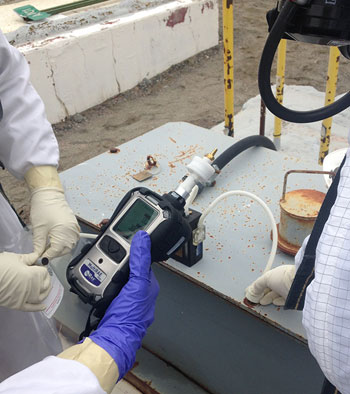
Chemical Exposure Monitoring in Qatar In many workplaces, chemical risks are not always visible. Workers may be exposed to vapors, dust, fumes, or gases without realizing the long-term impact. This is where Chemical Exposure Monitoring in Qatar becomes essential. Monitoring doesn’t rely on assumptions — it provides real data about what workers are actually exposed to during their daily tasks. That data is what allows organizations to take the right actions to protect health. What Chemical Exposure Monitoring Involves Chemical exposure monitoring is the process of measuring the concentration of hazardous substances in the workplace and evaluating how much workers are exposed to over time. In practical terms, it includes: Air sampling for gases, vapors, dust, and fumes Personal exposure monitoring for workers Area monitoring in work zones Comparison with occupational exposure limits (OELs) Identification of high-risk tasks or processes Reporting results with clear recommendations The aim is to understand exposure levels and ensure they remain within safe limits. Why Chemical Exposure Monitoring Is Important in Qatar Across industries in Qatar, chemicals are widely used in operations. Without proper monitoring, exposure risks can go unnoticed until they affect worker health or trigger compliance issues. Organizations carry out exposure monitoring to: Protect workers from harmful chemical exposure Verify effectiveness of existing control measures Meet occupational health and safety requirements Support audits and regulatory inspections Identify areas where improvements are needed It turns chemical safety from guesswork into measurable control. Where Chemical Exposure Risks Are Found Chemical exposure can occur in many routine activities, including: Painting and coating operations Cleaning and maintenance work Fuel handling and storage Laboratory and testing environments Manufacturing and industrial processes Even low-level exposure, if repeated over time, can lead to serious health concerns. Standards and Best Practices Chemical exposure monitoring follows internationally recognized occupational hygiene practices. Many organizations align their monitoring programs with guidance from the International Labour Organization (ILO), which promotes worker health protection and safe exposure limits.🔗 External Link: https://www.ilo.org/ Using recognized standards ensures monitoring results are accurate and reliable. Chemical Exposure Monitoring by JAB International Consultancy At JAB International Consultancy, we provide Chemical Exposure Monitoring Services in Qatar with a strong focus on real workplace conditions. We measure actual exposure levels and provide clear, practical recommendations. Our services include: Personal and area air sampling Monitoring of gases, vapors, dust, and fumes Exposure assessment against OELs Identification of high-risk tasks Detailed reports with control recommendations Learn more about our services here:🔗 Internal Link: https://jabconsultancyqatar.com/ Benefits of Chemical Exposure Monitoring Organizations that implement proper monitoring benefit by: Detecting exposure risks early Protecting workers from long-term health effects Improving workplace safety controls Strengthening compliance with safety standards Building confidence during audits and inspections It provides clarity on risks that are otherwise invisible. Final Thoughts Chemical Exposure Monitoring in Qatar is a key part of effective occupational health management. By measuring real exposure levels and identifying risks, organizations can take informed action to protect their workforce. JAB International Consultancy provides reliable monitoring services that deliver accurate data and practical solutions for safer workplaces.
Chemical Risk Management in Qatar
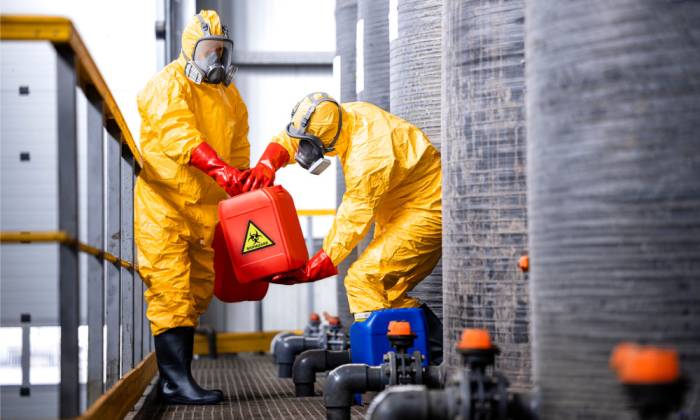
Chemical Risk Management in Qatar Managing chemicals safely isn’t just about knowing what substances are on site — it’s about understanding the risks they create and controlling them in day-to-day operations. That’s exactly what Chemical Risk Management in Qatar is about. In many workplaces, chemicals are handled routinely. The problem is that risks often build quietly — through repeated exposure, poor storage, or weak procedures. Without proper management, these risks can lead to health issues, incidents, or compliance problems. What Chemical Risk Management Involves Chemical risk management goes beyond simple hazard identification. It’s a structured approach to controlling risks throughout the entire lifecycle of chemical use. In practice, it includes: Identifying all hazardous substances in use Assessing exposure risks during tasks Reviewing storage, labeling, and segregation Implementing control measures (engineering, administrative, PPE) Monitoring exposure levels where necessary Ensuring proper handling and disposal procedures Preparing for emergencies such as spills or leaks The goal is to reduce risk to a level that is acceptable and controlled. Why Chemical Risk Management Is Important in Qatar Industries across Qatar — including construction, oil & gas, manufacturing, and laboratories — rely heavily on chemicals. Without structured risk management, even common substances can become serious hazards. Organizations implement chemical risk management to: Protect workers from short- and long-term health effects Comply with safety and environmental regulations Improve workplace safety performance Reduce incidents related to chemical handling Strengthen overall HSE systems Effective management ensures chemicals are handled safely from delivery to disposal. Where Chemical Risks Commonly Arise Chemical risks are not limited to high-risk industries. They are present in many routine activities, such as: Cleaning and maintenance operations Painting, coating, and surface preparation Fuel storage and transfer Laboratory testing and analysis Industrial processing and manufacturing Often, the risk depends more on how chemicals are used than the chemicals themselves. Standards and Best Practices Chemical risk management is typically aligned with internationally recognized occupational health principles. Many organizations follow guidance from the International Labour Organization (ILO), which promotes safe handling of hazardous substances and effective workplace risk control.🔗 External Link: https://www.ilo.org/ Applying these principles ensures consistency, compliance, and worker protection. Chemical Risk Management by JAB International Consultancy At JAB International Consultancy, we provide Chemical Risk Management Services in Qatar with a practical, site-focused approach. We assess real working conditions and recommend controls that can actually be implemented. Our services include: Chemical hazard identification and risk assessment Review of storage, labeling, and handling practices Exposure monitoring and evaluation Development of control strategies Emergency preparedness planning Training and awareness support Learn more about our services here:🔗 Internal Link: https://jabconsultancyqatar.com/ Benefits of Effective Chemical Risk Management Organizations that manage chemical risks properly often see: Reduced exposure-related health issues Improved compliance with regulations Better control over workplace hazards Increased worker confidence and awareness Stronger audit and inspection outcomes It turns chemical safety into a structured and manageable process. Final Thoughts Chemical Risk Management in Qatar is essential for any organization working with hazardous substances. By identifying risks, implementing controls, and maintaining safe practices, companies can protect their workforce and operate more responsibly. JAB International Consultancy provides chemical risk management solutions that are practical, compliant, and aligned with real operational needs.
Chemical Safety Consultancy in Qatar
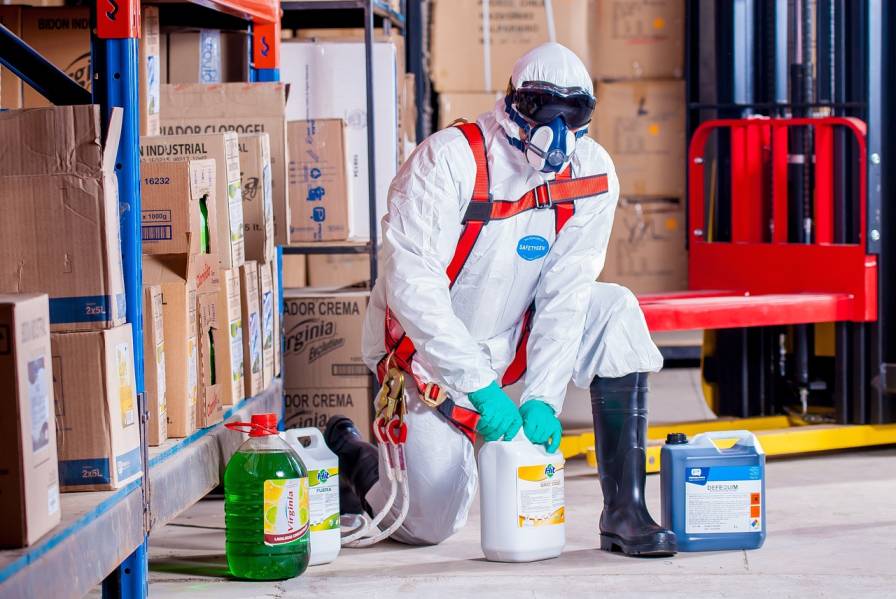
Chemical Safety Consultancy in Qatar Chemicals are part of daily operations in many workplaces — from cleaning products to complex industrial substances. The challenge isn’t just using them, but using them safely. That’s where Chemical Safety Consultancy in Qatar becomes important. A good chemical safety program is not just about compliance. It’s about understanding risks, controlling exposure, and making sure people know how to work safely with hazardous substances. What Chemical Safety Consultancy Really Covers Chemical safety isn’t a single activity. It’s a combination of assessment, control, training, and ongoing monitoring. In practical terms, consultancy usually involves: Identifying hazardous chemicals used on site Reviewing Safety Data Sheets (SDS) Assessing exposure risks during handling and use Evaluating storage, labeling, and segregation practices Recommending control measures (ventilation, PPE, procedures) Supporting emergency preparedness and spill response The aim is simple — reduce risk without disrupting operations. Why Chemical Safety Matters in Qatar Across industries in Qatar — especially construction, oil & gas, manufacturing, and laboratories — chemicals are used regularly. Without proper controls, they can lead to health issues, environmental impact, or serious incidents. Organizations invest in chemical safety consultancy to: Protect workers from harmful exposure Improve compliance with safety regulations Strengthen HSE management systems Reduce incidents related to chemical handling Prepare for audits and inspections It’s not just about avoiding problems — it’s about building safer working practices. Common Areas Where Chemical Risks Appear Chemical risks are not limited to heavy industry. They show up in many everyday activities, such as: Painting and coating work Cleaning and maintenance tasks Fuel and solvent handling Laboratory operations Industrial processing Often, the risk comes from how chemicals are used — not just the chemicals themselves. Standards and Good Practice Chemical safety programs are usually aligned with internationally recognized occupational health principles. Many organizations follow guidance from the International Labour Organization (ILO), which promotes safe handling of hazardous substances and protection of worker health.🔗 External Link: https://www.ilo.org/ Using recognized frameworks ensures consistency and reliability in safety practices. Chemical Safety Consultancy by JAB International Consultancy At JAB International Consultancy, we provide Chemical Safety Consultancy Services in Qatar with a focus on real workplace conditions. We don’t just review documents — we look at how chemicals are actually handled on site. Our services include: Chemical hazard identification and risk assessment Review of storage, labeling, and handling practices Exposure assessment and control recommendations Workplace monitoring (if required) Development of safe work procedures Training and awareness support Learn more about our services here:🔗 Internal Link: https://jabconsultancyqatar.com/ Benefits of Professional Chemical Safety Consultancy Organizations that take chemical safety seriously usually see clear improvements: Reduced risk of exposure and health issues Better compliance with safety requirements Improved workplace organization and control Increased worker awareness and confidence Stronger performance during audits It turns chemical safety from a concern into a controlled process. Final Thoughts Chemical Safety Consultancy in Qatar helps organizations manage chemical risks in a practical and effective way. By identifying hazards, improving controls, and supporting safe work practices, businesses can protect their workforce and operate more responsibly. JAB International Consultancy provides chemical safety support that is realistic, compliant, and aligned with everyday operations.
Chemical Hazard Assessment Qatar

Chemical Hazard Assessment in Qatar Chemicals are part of everyday operations in many industries — from cleaning agents to complex industrial substances. The risk isn’t always obvious. Some chemicals cause immediate harm, while others affect health slowly over time. This is why Chemical Hazard Assessment in Qatar is essential for any organization handling hazardous substances. A proper assessment helps answer a simple but critical question: Are people being exposed to something harmful — and if so, how do we control it? What a Chemical Hazard Assessment Involves Chemical hazard assessment is not just about listing chemicals. It’s about understanding how they are used, how exposure can happen, and what the real risks are in the workplace. A typical assessment looks at: Types of chemicals used on site Routes of exposure (inhalation, skin contact, ingestion) Duration and frequency of exposure Storage, handling, and disposal practices Existing control measures Emergency response preparedness The outcome is a clear understanding of risks and what needs to be improved. Why Chemical Hazard Assessment Matters in Qatar In Qatar, industries such as construction, oil & gas, manufacturing, and laboratories regularly deal with hazardous substances. Without proper assessment, chemical risks can lead to health issues, incidents, or regulatory problems. Organizations carry out chemical hazard assessments to: Protect workers from harmful exposure Ensure compliance with safety and environmental requirements Improve handling and storage practices Support HSE audits and inspections Reduce long-term occupational health risks It’s about prevention — not reacting after something goes wrong. Where Chemical Risks Are Common Chemical hazards can exist in many everyday activities, including: Painting, coating, and surface treatment Cleaning and maintenance operations Fuel handling and storage Laboratory testing and analysis Industrial processing and manufacturing Even routine tasks can carry risks if chemicals are not properly managed. Standards and Good Practice Chemical hazard assessments are usually based on internationally recognized occupational health practices. Many organizations align their processes with guidance from the International Labour Organization (ILO), which promotes safe handling of hazardous substances and worker protection.🔗 External Link: https://www.ilo.org/ Following recognized guidance ensures assessments are consistent and defensible. Chemical Hazard Assessment by JAB International Consultancy At JAB International Consultancy, we approach chemical hazard assessment from a practical, site-focused perspective. We look at how chemicals are actually used — not just what’s written in procedures. Our Chemical Hazard Assessment Services in Qatar include: Identification of hazardous substances Exposure assessment and risk evaluation Review of storage, handling, and control measures Workplace monitoring (where required) Clear recommendations to reduce risk Learn more about our services here:🔗 Internal Link: https://jabconsultancyqatar.com/ What Organizations Gain from Proper Assessment When chemical hazards are properly assessed, organizations benefit in real ways: Fewer health-related incidents and complaints Better compliance with safety requirements Improved worker confidence and awareness Stronger audit performance More controlled and organized workplaces It brings clarity to something that is often underestimated. Final Thoughts Chemical Hazard Assessment in Qatar is a key part of protecting worker health in environments where hazardous substances are present. By understanding exposure risks and putting effective controls in place, organizations can prevent long-term health issues and operate more responsibly. JAB International Consultancy provides practical, reliable chemical hazard assessments that reflect real workplace conditions — not just theory.
HAZID Analysis in Qatar

HAZID Analysis in Qatar Identifying hazards early in a project can prevent costly incidents and operational disruptions later. HAZID Analysis in Qatar helps organizations systematically examine potential risks associated with projects, facilities, and industrial processes. HAZID, or Hazard Identification, is a structured analysis method used to identify possible hazards before they lead to accidents or safety issues. By evaluating different operational scenarios and design elements, organizations can understand potential risks and implement appropriate control measures. What is HAZID Analysis? HAZID analysis is a structured process where a multidisciplinary team reviews a project or operational system to identify potential hazards. The analysis is typically conducted during the design or early planning stages of a project. During the process, safety specialists and technical experts review various aspects of the project to determine where hazards may arise. The analysis focuses on identifying potential accident scenarios and evaluating their possible consequences. Key aspects examined during HAZID analysis include: Process and operational hazards Equipment and mechanical risks Fire and explosion hazards Environmental impacts Human factors and operational errors Construction and maintenance risks The results help organizations implement preventive measures before operations begin. Why HAZID Analysis is Important in Qatar Qatar hosts large-scale infrastructure, industrial, and energy projects that require strong risk management practices. HAZID analysis supports safe project development by identifying hazards before they affect operations. Organizations conduct HAZID analysis to: Identify potential risks during project planning Improve safety in engineering and design decisions Meet regulatory and client safety requirements Strengthen project risk management Reduce the likelihood of operational incidents Early hazard analysis allows organizations to integrate safety controls directly into project design. Industries That Use HAZID Analysis HAZID analysis is widely applied across several industries, including: Oil and gas operations Petrochemical facilities Power generation projects Construction and infrastructure development Manufacturing and industrial plants These industries rely on hazard identification processes to ensure safe and reliable operations. HAZID Analysis and Global Safety Practices Effective HAZID analysis follows internationally recognized risk management principles. Organizations often align their safety practices with guidance from the International Labour Organization (ILO), which promotes proactive hazard identification and workplace safety improvements.🔗 External Link: https://www.ilo.org/ Using established frameworks ensures that hazard identification studies are structured, consistent, and reliable. HAZID Analysis Services by JAB International Consultancy At JAB International Consultancy, we provide HAZID Analysis Services in Qatar to support organizations in identifying risks and improving safety during project development and operations. Our services include: Structured HAZID analysis sessions Professional study facilitation Risk evaluation and hazard documentation Multidisciplinary team coordination Detailed reports with practical risk mitigation recommendations Learn more about our services here:🔗 Internal Link: https://jabconsultancyqatar.com/ Benefits of Conducting HAZID Analysis Organizations benefit from HAZID analysis in several ways: Early identification of project and operational hazards Improved safety in design and planning stages Reduced risk of incidents and operational disruptions Stronger compliance with safety requirements Better decision-making during project development By identifying hazards early, organizations can implement effective control strategies and maintain safer operations. Final Thoughts HAZID Analysis in Qatar plays a crucial role in proactive risk management for industrial and infrastructure projects. Through systematic hazard identification and evaluation, organizations can improve safety, protect workers, and ensure smoother project execution. JAB International Consultancy offers professional HAZID analysis services designed to help organizations identify risks and implement effective safety measures.
Safety Hazard Identification Qatar

Safety Hazard Identification in Qatar A safe workplace begins with one important step — identifying hazards before they cause harm. Safety Hazard Identification in Qatar helps organizations recognize potential risks in their operations and take preventive measures to protect workers, equipment, and the environment. Many workplace incidents occur because hazards were not recognized early enough. By implementing systematic hazard identification practices, organizations can detect unsafe conditions and activities before they lead to accidents. What is Safety Hazard Identification? Safety hazard identification is the process of finding and evaluating potential sources of harm within a workplace or operational environment. This process involves reviewing tasks, equipment, materials, and working conditions to determine where risks may exist. Common hazards identified in workplaces include: Mechanical and equipment hazards Electrical risks Chemical exposure Fire and explosion risks Slips, trips, and fall hazards Environmental and occupational health risks Identifying these hazards allows organizations to implement controls that reduce or eliminate the risk. Why Safety Hazard Identification is Important in Qatar Qatar’s rapidly growing industries such as construction, energy, and manufacturing require strong safety management systems. Hazard identification plays a central role in preventing accidents and ensuring safe operations. Organizations conduct safety hazard identification to: Prevent workplace injuries and incidents Strengthen safety management systems Meet regulatory and client safety requirements Improve risk awareness among workers Support proactive safety planning When hazards are identified early, corrective measures can be implemented quickly and effectively. Methods Used for Hazard Identification Safety professionals use several techniques to identify hazards in workplaces, including: Workplace inspections and safety audits Risk assessments and job safety analysis (JSA) Hazard identification workshops Incident investigation reviews Employee safety observations These methods help organizations build a comprehensive understanding of workplace risks. Safety Hazard Identification and International Standards Effective hazard identification practices often follow internationally recognized occupational safety frameworks. Organizations frequently align their safety programs with guidance from the International Labour Organization (ILO), which promotes proactive hazard identification and risk prevention in workplaces worldwide.🔗 External Link: https://www.ilo.org/ Applying recognized safety principles ensures hazard identification processes are systematic and reliable. Safety Hazard Identification Services by JAB International Consultancy At JAB International Consultancy, we provide Safety Hazard Identification Services in Qatar to help organizations identify risks and strengthen workplace safety practices. Our specialists use structured methods to assess hazards and recommend practical control measures. Our services include: Workplace hazard identification studies Safety inspections and risk assessments Hazard identification workshops Occupational health and safety evaluations Detailed reports with improvement recommendations Learn more about our services here:🔗 Internal Link: https://jabconsultancyqatar.com/ Benefits of Effective Hazard Identification Organizations that prioritize hazard identification gain several advantages: Reduced workplace incidents and injuries Improved safety awareness among employees Better compliance with safety standards Stronger risk management processes Safer and more productive work environments Hazard identification is a proactive approach that forms the foundation of effective workplace safety management. Final Thoughts Safety Hazard Identification in Qatar is a critical step in preventing accidents and maintaining safe operations across industries. By systematically identifying and controlling hazards, organizations can protect their workforce and ensure smooth project execution. JAB International Consultancy offers professional hazard identification services designed to support safer workplaces and stronger safety management systems.
HAZID Workshop in Qatar

HAZID Workshop in Qatar In complex industrial projects, many risks can be identified long before construction or operations begin. A HAZID Workshop in Qatar provides a structured way for project teams to discuss potential hazards, evaluate risks, and identify practical control measures early in the project lifecycle. HAZID, short for Hazard Identification, is a collaborative risk assessment process that brings together engineers, safety professionals, and operational experts. Through guided discussions, teams can examine project activities and identify safety, environmental, and operational risks before they become real problems. What Happens During a HAZID Workshop A HAZID workshop is usually facilitated by an experienced professional who guides participants through a systematic hazard identification process. The workshop encourages open discussion so that different perspectives and expertise can contribute to identifying potential risks. Typical workshop activities include: Reviewing project design and operational concepts Identifying potential hazards and accident scenarios Discussing environmental and operational risks Evaluating existing safety controls Recommending additional preventive measures The results of the workshop are documented and used to improve project safety planning. Why HAZID Workshops Are Important in Qatar Qatar hosts large-scale infrastructure, construction, and energy projects where safety planning must be addressed from the earliest stages. HAZID workshops help organizations identify risks that may otherwise remain hidden until later phases of the project. Organizations conduct HAZID workshops to: Identify hazards during early design or planning stages Improve safety in engineering and project decisions Meet client and regulatory expectations Strengthen risk management strategies Reduce the likelihood of operational incidents When hazards are identified early, solutions can be incorporated into the design process rather than added later as corrective measures. Industries That Conduct HAZID Workshops HAZID workshops are commonly used in sectors such as: Oil and gas facilities Petrochemical and chemical plants Power generation projects Construction and infrastructure development Manufacturing and industrial operations These industries rely on structured hazard identification to ensure safe and reliable project execution. HAZID Workshops and International Safety Practices Effective HAZID workshops follow internationally recognized risk management principles. Many organizations align their safety practices with guidance from the International Labour Organization (ILO), which emphasizes proactive hazard identification and prevention of workplace risks.🔗 External Link: https://www.ilo.org/ Using established methodologies ensures that HAZID workshops produce practical and credible results. HAZID Workshop Services by JAB International Consultancy At JAB International Consultancy, we provide HAZID Workshop Services in Qatar to support safe project planning and operational risk management. Our experienced facilitators guide multidisciplinary teams through structured hazard identification discussions. Our services include: Professional HAZID workshop facilitation Hazard identification and risk evaluation sessions Multidisciplinary team coordination Detailed workshop documentation and reporting Practical recommendations for risk reduction Learn more about our services here:🔗 Internal Link: https://jabconsultancyqatar.com/ Benefits of Conducting a HAZID Workshop Organizations that conduct HAZID workshops gain several advantages: Early identification of safety and operational risks Better project design and safety integration Improved collaboration between project teams Stronger compliance with safety requirements Reduced likelihood of accidents and project delays A well-organized HAZID workshop helps ensure that safety is built into projects from the beginning. Final Thoughts A HAZID Workshop in Qatar is a valuable tool for identifying and managing risks during project development and operational planning. By bringing together technical experts and safety professionals, organizations can better understand potential hazards and implement effective control measures. JAB International Consultancy provides professional HAZID workshop facilitation to help organizations plan safer and more reliable projects.
Hazard Identification Study Qatar

Hazard Identification Study in Qatar Every project, facility, or industrial operation carries potential risks. Some hazards are obvious, while others remain hidden until an incident occurs. A Hazard Identification Study in Qatar helps organizations identify these risks early and take preventive actions before work begins or operations expand. Hazard identification is one of the most important steps in effective risk management. By carefully examining processes, equipment, and workplace activities, organizations can better understand what could go wrong and how to control those risks. What is a Hazard Identification Study? A Hazard Identification Study, often referred to as HAZID, is a structured review conducted by experienced professionals to identify potential hazards associated with a project, facility, or operational process. The study typically involves: Reviewing project design or operational procedures Identifying potential safety, health, and environmental hazards Discussing possible accident scenarios Evaluating existing control measures Recommending improvements to reduce risks The objective is to ensure that risks are recognized early and managed effectively. Why Hazard Identification Studies Are Important in Qatar Qatar’s construction, energy, and industrial sectors involve complex activities and advanced technologies. Without systematic hazard identification, critical safety risks can remain unnoticed. Organizations conduct hazard identification studies to: Improve safety during project planning and design Identify operational risks before construction or commissioning Support compliance with safety regulations and client requirements Protect workers, equipment, and the environment Strengthen overall project risk management Early identification of hazards can prevent costly incidents and project delays. Where Hazard Identification Studies Are Applied Hazard identification studies are commonly used in industries such as: Oil and gas facilities Construction and infrastructure projects Power plants and energy projects Manufacturing and industrial plants Chemical and petrochemical operations In these environments, even small hazards can have serious consequences if they are not addressed in advance. Hazard Identification and International Safety Practices Many organizations follow internationally recognized safety frameworks when conducting hazard identification studies. Institutions such as the International Labour Organization (ILO) promote systematic hazard identification and risk prevention as key elements of workplace safety management.🔗 External Link: https://www.ilo.org/ Using established safety practices ensures hazard studies are thorough and credible. Hazard Identification Study Services by JAB International Consultancy At JAB International Consultancy, we provide Hazard Identification Study Services in Qatar to help organizations identify and manage risks during project development and operational stages. Our services include: Structured hazard identification workshops Experienced study facilitators Risk evaluation and documentation Practical risk control recommendations Comprehensive study reports for management and stakeholders Learn more about our services here:🔗 Internal Link: https://jabconsultancyqatar.com/ Benefits of Conducting a Hazard Identification Study Organizations that perform hazard identification studies gain several advantages: Early recognition of potential risks Safer project design and planning Reduced likelihood of workplace incidents Better compliance with safety requirements Improved decision-making during project development Hazard identification is a proactive approach that helps prevent problems before they occur. Final Thoughts A Hazard Identification Study in Qatar is an essential part of responsible project planning and operational safety. By identifying hazards early and implementing effective controls, organizations can protect their workforce, maintain operational reliability, and ensure long-term project success. JAB International Consultancy provides professional hazard identification studies designed to support safer and more efficient operations.
HAZID Services Qatar

HAZID Services in Qatar Before construction begins or a new facility starts operating, the most important question is simple: What could go wrong?This is exactly what HAZID Services in Qatar are designed to answer. HAZID, or Hazard Identification, is one of the earliest and most valuable risk assessment processes in any project. It brings together engineers, safety professionals, and project stakeholders to systematically identify potential hazards and discuss how they can be managed. The goal is straightforward — identify risks early so they can be controlled before they become problems. What is a HAZID Study? A HAZID study is a structured workshop used to identify hazards associated with a project, facility, or process. It is typically conducted during the design or planning stage but can also be performed for existing operations. During a HAZID session, experienced facilitators guide participants through different aspects of the project to identify potential risks related to safety, health, environment, and operations. The study usually examines areas such as: Process and operational hazards Equipment and mechanical risks Environmental impacts Fire and explosion hazards Human factors and operational errors Construction and maintenance risks By capturing these hazards early, organizations can integrate safety into the design and planning process. Why HAZID Services Are Important in Qatar Major projects in Qatar — particularly in construction, infrastructure, and energy sectors — involve complex systems and high-risk activities. Without structured hazard identification, critical risks may remain unnoticed until work has already begun. Organizations conduct HAZID studies to: Identify hazards during early project phases Improve safety in design and engineering decisions Support regulatory and client safety requirements Reduce operational and environmental risks Strengthen overall project safety planning Early hazard identification can significantly reduce the likelihood of incidents later in the project lifecycle. Industries That Use HAZID Studies HAZID services are widely applied across industries such as: Oil and gas projects Petrochemical facilities Power and energy infrastructure Construction and large development projects Manufacturing and industrial operations These sectors depend on structured risk assessments to ensure safe project execution. HAZID Methodology and Best Practices HAZID studies follow internationally recognized risk management approaches. Many organizations align their processes with safety principles promoted by the International Labour Organization (ILO), which emphasizes proactive hazard identification and risk prevention in the workplace.🔗 External Link: https://www.ilo.org/ Using structured methods ensures the study results are systematic, documented, and actionable. HAZID Services by JAB International Consultancy At JAB International Consultancy, our HAZID Services in Qatar are designed to support safe project planning and operational risk management. Our facilitators bring practical industry experience and guide multidisciplinary teams through structured hazard identification sessions. Our HAZID services include: Professional HAZID workshop facilitation Structured hazard identification sessions Risk ranking and control discussions Documentation and reporting of findings Practical recommendations for risk mitigation Learn more about our services here:🔗 Internal Link: https://jabconsultancyqatar.com/ Benefits of Conducting a HAZID Study Organizations benefit from HAZID studies by: Identifying hazards early in project development Improving safety in design and engineering decisions Reducing operational and environmental risks Supporting regulatory compliance Strengthening overall risk management strategies A well-conducted HAZID study helps organizations make safer and smarter decisions. Final Thoughts HAZID Services in Qatar provide a structured way to identify and manage hazards before they affect operations. By bringing together technical experts and safety professionals, organizations can better understand project risks and implement effective control measures. JAB International Consultancy offers professional HAZID services that support safer projects and more reliable operations.